


Half-Day Chiang Mai City Temple & Museum Tour | Thailand
Explore Chiang Mai’s rich culture on a Half-Day City Temple & Museum Tour. Visit historic temples, learn about local heritage, and experience the city’s art and history in a single morning or afternoon.
- Explore Chiang Mai, an ancient city rich in Thai culture and surrounded by scenic canals. Visit Chiang Mai’s most significant temples: Chiang Man Temple, Chedi Luang Temple, and Phra Singh Temple. Discover local history and heritage at the Chiang Mai City Arts & Cultural Centre, tracing the city’s evolution from past to present.
Package Options


Sightseeing Tours
| Tour Type | Private tour, Shared tour |
| Transportation method | Hotel transfer |
| Departure Time | Standard Departure (8-9 am) |
| Minimum participant requirement | 2 travelers |
| Tour types | Guided tour |
| Meal arrangement | Arrange yourself |
| Additional service & facility | Transfer included |
| Sightseeing type | Museum tour, City walking tour, Temples & shrines, Historic site tour |
| Transport | Charter car |
Product Info
— What You Can Expect —
Chiang Mai has had a long and independent history which has a large extent preserved Thai culture. In addition, this ancient city can be admired through fantastic scenery along the city’s canals surrounded by historical and cultural heritage.
Visiting the most significant temples including “Chiang Man Temple” (the oldest temple built-in the same age as Chiang Mai City), “Chedi Luang Temple” (temple with the biggest stupa), and “Phra Singh Temple” (the most beautiful architecture in northern style reflected from the chapel.
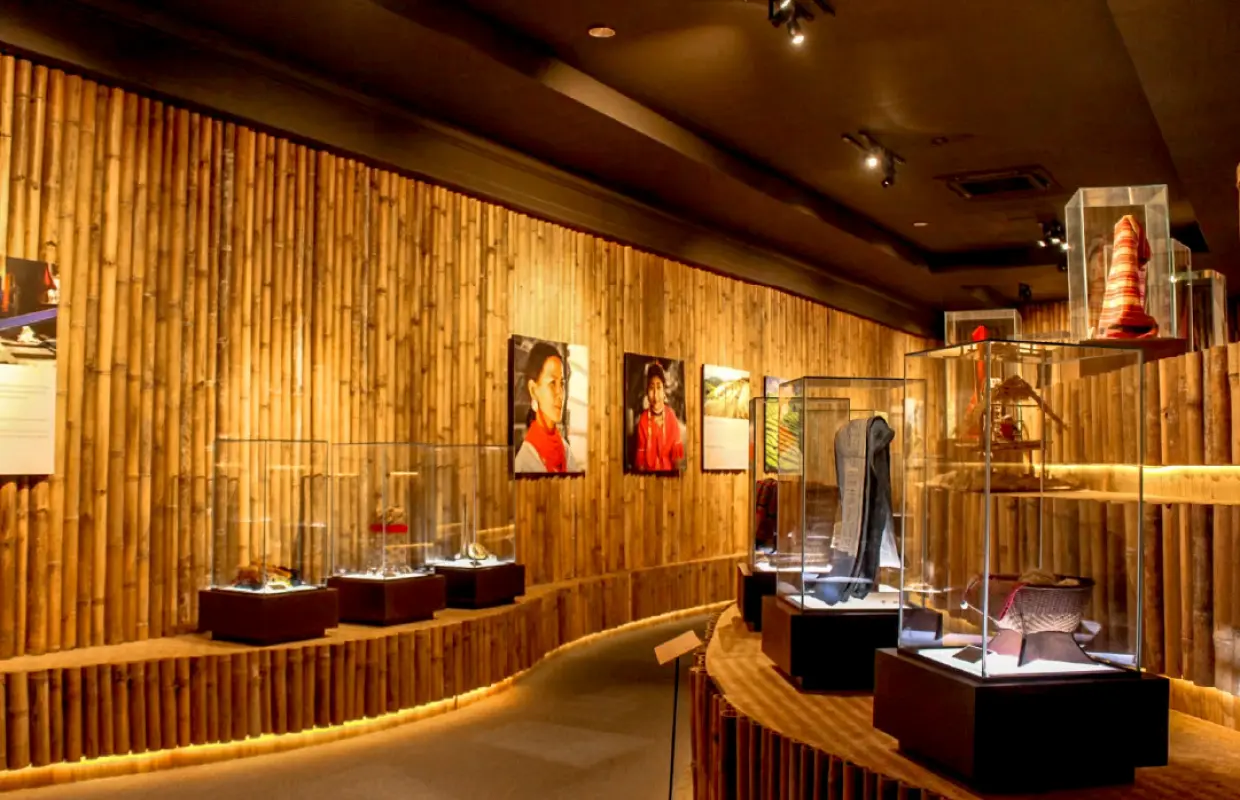
Apart from visiting temples, the city museum, “Chiang Mai City Arts & Cultural Centre”, is an interesting place which allows visitors to know and understand the origins of Chiang Mai from the past until the present day.
— Important Information —
- Morning tour: 08:00 am - 13:00 pm / pick up at 08:00 am at hotel lobby
- Afternoon tour , 13:00 pm - 17:00 pm / pick up at 13:00 pm at hotel lobby
- Clothing Shoulders and knees need to be covered (for entering the temple)
— Itinerary —
- 08.00 am / 13.00 pm Start to pick up from hotels
- Depart for Chiang Mai City Arts & Cultural Centre
- Visit Phra Singh Temple
- Visit Chedi Luang Temple
- Visit Chiang Man Temple
- Noon / 17.00 pm Transfer back and drop at hotels
Flash back into the history time of Chiang Mai and learn it out like an expert.


Purchase Notice
- Clothing: Shoulders and knees need to be covered (for entering the temple)
- This tour is not operated on Monday and Tuesday
Reminders
A minimum of 2 traveler(s) are required for the tour to depart. If the number of participants does not reach the minimum requirement, the tour will be canceled. An email regarding tour cancellation will be sent 1 day(s) before the departure date
Cancellation Policy
- Cancellations 2 day(s) (inclusive) before the selected date are allowed. Unused orders can be canceled for free
- Cancellation is not allowed between 0–1 days from the selected date. Orders cannot be canceled or modified, and refunds will not be granted.
- Due to time zone differences, the confirmed cancellation date is based on the supplier’s local time. Please allow 2–5 business days to process your cancellation request, after which the cancellation fee will be charged according to the product’s cancellation policy. Once the cancellation is confirmed, you will receive your refund within 14 working days.
FAQ
Wat Chedi Luang once housed the revered Emerald Buddha and stands as a testament to the ancient Lanna Kingdom's power, featuring a massive, partially restored stupa. Wat Phra Singh is celebrated for its exquisite Lanna architecture and houses the sacred Phra Phuttha Sihing Buddha image, making it a focal point for important religious ceremonies, especially during Songkran. Both are crucial to Chiang Mai's spiritual and cultural identity.
Chiang Mai is often called the 'City of Temples,' with over 300 temples across the region. Within the historical Old City walls, which encompass a relatively compact area, there are approximately 30 significant temples. Many of these, including major ones like Wat Chedi Luang, Wat Phra Singh, and Wat Chiang Man, are concentrated and easily accessible, making them convenient for visitors to explore.
Many of Chiang Mai's most prominent temples, particularly those popular with foreign visitors like Wat Phra Singh and Wat Chedi Luang, generally charge a modest entry fee for non-Thai visitors. This fee contributes to the maintenance and preservation of these historical sites. However, some smaller, local temples or specific areas within larger complexes may not require an entry fee.
When visiting temples in Chiang Mai, including Wat Phra Singh, it is essential to dress respectfully. This typically means covering your shoulders and knees. Long pants or skirts that reach below the knee are recommended, and shirts with sleeves are preferred over tank tops or strapless garments. Additionally, shoes must always be removed before entering the main prayer halls (Wihan) and chapels.
As Chiang Mai's oldest temple, founded in 1296, Wat Chiang Man offers a deep dive into Lanna history. Visitors can admire its distinctive Elephant-backed Chedi, a stupa adorned with sculpted elephants. The temple also houses revered Buddha images, including the delicate crystal Buddha (Phra Sae Tang Khamani) and the ancient marble Buddha (Phra Sila), both held in high spiritual regard and believed to bring prosperity.
The Chiang Mai City Arts & Cultural Centre offers a comprehensive exploration of the city's rich Lanna heritage, history, and vibrant traditions. Exhibits delve into Chiang Mai's ancient origins, cultural evolution, traditional lifestyles, and indigenous crafts. Through various displays, artifacts, and interactive presentations, visitors can gain a deeper understanding of the city's unique identity and artistic legacy from past to present.
Wat Phra Singh is highly popular due to its breathtaking Lanna architecture, exemplified by its ornate Wihan Lai Kham adorned with exquisite murals depicting Buddhist Jataka tales and scenes of local life. It is also deeply revered for housing the sacred Phra Phuttha Sihing Buddha image. Its prime location within the Old City makes it a significant cultural landmark and a key site for major festivals.
For footwear, it is a universal and strict rule to remove your shoes before entering any main prayer hall (Wihan) or chapel within temples, including at Wat Chedi Luang. Wearing slip-on shoes can make this process more convenient. While head coverings are not typically mandatory for women in most Thai temples, it is considered a respectful gesture, especially when entering the most sacred areas.
Get Help


