
![[Guaranteed Departure for 1][KKday Signature Tour] Vung Tau Day Tour - Explore Statue of Christ the King/ White Palace with Multiple Language Options | From Ho Chi Minh, Vietnam](https://image.kkday.com/v2/image/get/c_fill%2Ch_800%2Cq_55%2Ct_webp%2Cw_1240/s1.kkday.com/product_285707/20260417104231_P0Y1T/jpg)


[Guaranteed Departure for 1][KKday Signature Tour] Vung Tau Day Tour - Explore Statue of Christ the King/ White Palace with Multiple Language Options | From Ho Chi Minh, Vietnam
- Christ the King Statue – Climb for panoramic sea views
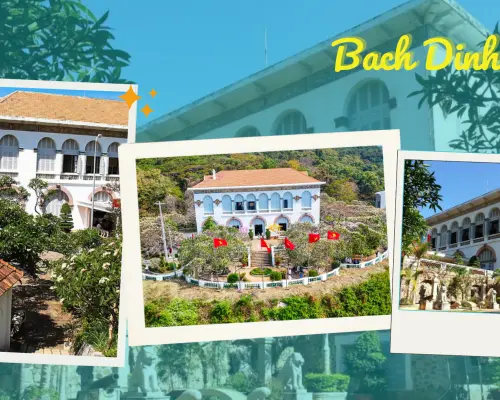
- White Palace – Explore colonial architecture and coastal views.
- Experience the sacred ambiance of Whale Temple and the religious life of local fishermen
- Walk and relax at Thuy Van Beach – Enjoy the sea breeze and golden sands
- Nghinh Phong Cape – Snap photos at the iconic Heaven’s Gate
Package Options


Product Info
- What You Can Expect -
Escape the city for a refreshing day out on the Vung Tau Day Tour, a KKday signature tour that showcases the best of Vietnam's coastal beauty. This shared bus tour offers a convenient and social way to travel from Ho Chi Minh City to iconic landmarks like the majestic Statue of Christ the King and the elegant White Palace. You will also have the chance to explore the unique Whale Temple, take in the views at Nghinh Phong Cape, and relax on the golden sands of Thuy Van Beach. With professional organization and a well-curated itinerary, it is the perfect blend of cultural sightseeing and seaside relaxation. Enjoy a hassle-free experience with fellow travelers as you discover the vibrant history and stunning landscapes of Vung Tau.
Jesus Christ Statue


Bach Dinh - White Palace


Cape Nghinh Phong


Lunch


Purchase Notice
- Please note that White Palace (Bach Dinh) is closed on Mondays. Instead, the tour will visit Thich Ca Phat Dai, a well-known Buddhist landmark in Vung Tau.
Reminders
Please bring a valid ID or passport for verification on the day of the activity.
Please check your email or WhatsApp for the operator’s confirmation message
Arrive at the meeting point at least 15–30 minutes before the scheduled start time. Late arrivals may be considered no-shows.
The itinerary may change due to weather or unforeseen circumstances. Please check your messages or the operator’s website for updates.
Please inform the operator in advance if you plan to bring a stroller, wheelchair, or large equipment.
No refunds will be given for no-shows or late arrivals.
FAQ
The Statue of Christ the King, locally known as Tượng Chúa Kitô Vua, symbolizes the enduring Catholic faith and resilience in Vietnam. Erected between 1974 and 1993, its name reflects its religious dedication and serves as a spiritual landmark. It offers visitors a perspective on Vung Tau's cultural and religious landscape, embodying a significant historical monument for the region.
The Statue of Christ the King in Vung Tau stands at an impressive 32 meters, including its 4-meter tall pedestal. The statue itself measures 28 meters in height. A distinctive feature is the internal spiral staircase comprising 133 steps, which allows visitors to ascend to the arms of the statue. From this vantage point, guests can enjoy panoramic views of Vung Tau city and the coastline.
When climbing the Statue of Christ the King, visitors embark on a journey up 133 steps inside the statue, culminating in access to its arms. This ascent offers a unique physical and visual experience. Upon reaching the top, guests are rewarded with breathtaking panoramic vistas of Vung Tau city, the surrounding mountains, and the expansive East Sea, providing an unparalleled photo opportunity.
Vung Tau's White Palace, or Bach Dinh, was constructed by the French between 1898 and 1901 as a summer retreat for the French Governor-General of Indochina, Paul Doumer. It showcases a distinctive French colonial architectural style, characterized by its elegant white facades, intricate detailing, and neoclassical influences. The palace's design reflects the opulence and grandeur of the colonial era.
Inside the White Palace, visitors can explore various rooms that have been preserved to offer a glimpse into the lifestyle of its former occupants. Key exhibits include antique furniture, ceramics, and artifacts from the Nguyễn Dynasty, providing insights into Vietnam's royal history. The palace also features beautiful gardens and offers picturesque coastal views from its elevated position, enhancing the overall exploration.
The Whale Temple, or Đình Thắng Tam, holds profound cultural significance for Vung Tau's local fishing community. It is dedicated to Ông Nam Hải, the Whale God, revered as a protector of fishermen at sea. The temple houses sacred whale bones, considered relics, and serves as a central point for traditional festivals and rituals, embodying the deep-rooted maritime traditions and spiritual beliefs of the region.
Thuy Van Beach, also known as Back Beach, is a popular destination for relaxation and recreation in Vung Tau. Visitors can enjoy a variety of activities such as swimming in the calm waters, sunbathing on the expansive golden sands, or taking leisurely strolls along the long coastline. It's an ideal spot for unwinding and experiencing the refreshing sea breeze.
Nghinh Phong Cape, meaning 'receiving wind,' is a natural beauty spot offering spectacular coastal views. Its primary highlight for visitors is 'Heaven's Gate,' a unique archway formation carved by nature, providing picturesque frames for photography. From this cape, guests can enjoy panoramic vistas of both Front Beach and Back Beach, making it an excellent spot for scenic contemplation and memorable pictures.
Get Help


