
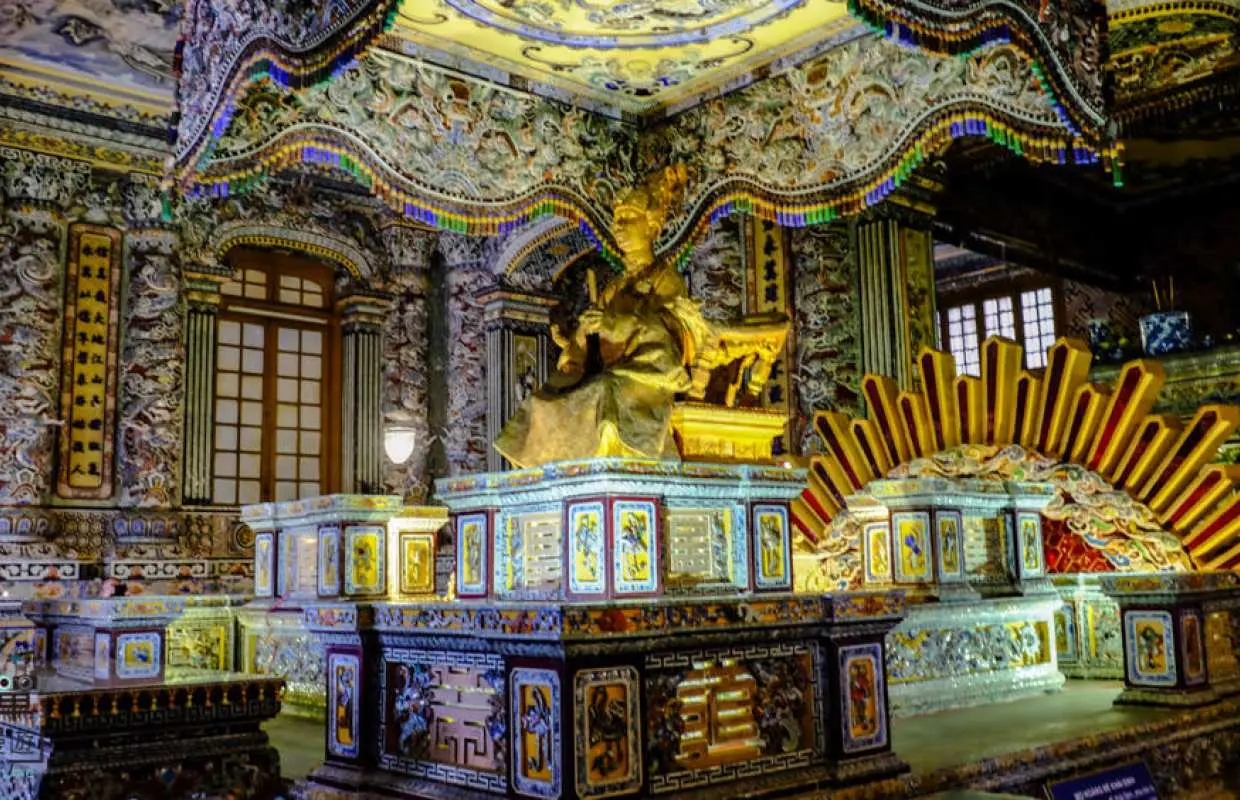


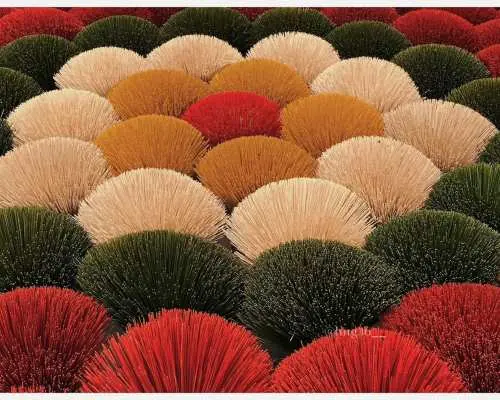
Vietnam|One-day tour in Hue, China|Hue Ancient Capital, a World Cultural Heritage Site. Incense Folk Culture Village. Emperor’s Palace Banquet|Two people only. Depart from Da Nang (Chinese tour guide)
- Two people can form a group and charter a private charter car to go on a trip at any time without sharing a car with others.
- Comfortable vehicle within 5 years, Chinese tour guide, mineral water and professional driver service.
- The one-day tour package includes lunch and dinner, and you can enjoy delicious food at carefully selected local specialty restaurants.
- Visit the world heritage ancient capital and traditional folk culture village to experience the beauty of history and culture.
Sightseeing Tours
| Tour Type | Small Group |
| Transportation method | Transfer from meeting point, Get there on your own |
| Departure Time | Standard Departure (8-9 am) |
| Minimum participant requirement | 2 travelers |
| Tour types | Guided tour |
| Meal arrangement | Lunch included, With dinner |
| Sightseeing type | Historic site tour |
Product Info
Important Info
Reminders
A minimum of 2 traveler(s) are required for the tour to depart. If the number of participants does not reach the minimum requirement, the tour will be canceled. An email regarding tour cancellation will be sent 1 day(s) before the departure date
Reservations must be made at least seven working days in advance and no last-minute reservations are allowed. Once the group is confirmed, it cannot be changed or cancelled.
Please be sure to arrive at the designated meeting point 10 minutes in advance to avoid delays in your subsequent trip.
If part of the itinerary is cancelled due to delays caused by force majeure such as traffic and weather, please contact us 1 day in advance and we will process a partial refund for you.
Please wear pants that are longer than the knees when visiting temples and pagodas. It is also recommended to bring: sun hats, parasols, sunscreen products, sunglasses, cash and other personal items.
This trip does not provide medical services or medicines. Please prepare them in advance if necessary.
It is recommended to pay USD10/person for the tour guide and driver service fee on site. If payment is required in Vietnamese Dong, please discuss the exchange rate of the day with the tour guide.
The price for children over 9 years old is the same as that for adults; the price for children aged 5 to 8 years old is 75% of the adult price; children under 4 years old are free (excluding attraction tickets).
This itinerary includes "Full Vietnam Travel Liability Insurance" with a maximum amount of 15,000,000 VND/pax. Please be sure to fill in the "Information of Each Passenger" in detail.
If you have special dietary needs, please inform us in the remarks section when ordering.
If you are bringing a stroller or wheelchair, please inform us in the "Special Needs Notes" section when booking.
If the tour is cancelled due to bad weather on the travel day, you can choose to postpone the tour date once or get a full refund.
Cancellation Policy
- Cancellations 8 day(s) (inclusive) before the selected date are allowed. Unused orders can be canceled for free
- Cancellation is not allowed between 0–7 days from the selected date. Orders cannot be canceled or modified, and refunds will not be granted.
- Due to time zone differences, the confirmed cancellation date is based on the supplier’s local time. Please allow 2–5 business days to process your cancellation request, after which the cancellation fee will be charged according to the product’s cancellation policy. Once the cancellation is confirmed, you will receive your refund within 14 working days.
FAQ
Hue Imperial City is a UNESCO World Heritage site and the former capital of Vietnam's Nguyen Dynasty (1802-1945). Its significance lies in its unique blend of Vietnamese, Chinese, and French architectural influences, showcased across a complex of palaces, temples, and gates. It reflects a crucial period of Vietnamese feudal history and cultural development, allowing visitors to explore well-preserved imperial structures and immerse themselves in its rich past.
Hue was the imperial capital of Vietnam from 1802 to 1945. It was the seat of the Nguyen Dynasty, the last imperial dynasty of Vietnam. During this time, the city flourished as a political, cultural, and religious center, with the construction of numerous elaborate palaces, tombs, and pagodas that remain significant historical landmarks today.
Hue Imperial City is a vast complex comprising three concentric enclosures: the Citadel, the Imperial City, and the Forbidden Purple City. The Citadel is a fortified enclosure with towering walls and moats. Inside, the Imperial City contains government buildings and temples, while the innermost Forbidden Purple City was reserved for the emperor and his immediate family. Key features include Ngo Mon Gate, Thai Hoa Palace, and the Mieu Temple complex.
Hue ceased to be Vietnam's capital following the abdication of Emperor Bao Dai in 1945, which marked the end of the Nguyen Dynasty and Vietnam's monarchy. This event was part of the broader political shifts during the August Revolution and the establishment of the Democratic Republic of Vietnam, leading to Hanoi becoming the capital of the newly independent nation.
Visiting Hue Imperial City offers a profound journey into Vietnam's imperial past. You can explore grand palaces, royal temples, and ancient gates, imagining the life of emperors. Highlights include the Ngo Mon Gate, the majestic Thai Hoa Palace, and the intricate architecture of the Forbidden Purple City. The site also features beautifully landscaped gardens and historical exhibits, providing a comprehensive cultural immersion.
Yes, an admission fee is required to enter Hue Imperial City. This fee typically grants access to the main attractions within the Imperial City complex, including the Citadel, Imperial City, and the Forbidden Purple City's accessible areas. It allows visitors to explore the historical palaces, temples, and museums within the grounds. For convenient entry and a seamless experience, you can pre-book your tickets through KKday, which often provides the benefit of confirmed access and a smooth entry process, helping you avoid queues.
The Incense Folk Culture Village in Hue offers a fascinating glimpse into a traditional Vietnamese craft. Visitors can observe the meticulous process of making incense sticks by hand, from mixing ingredients to drying the colorful bundles. It's an opportunity to learn about the cultural significance of incense in Vietnamese daily life and rituals. Many visitors also enjoy the vibrant photo opportunities created by the large displays of drying incense.
A knowledgeable guide significantly enhances the visit to Hue Imperial City by providing historical context, cultural insights, and detailed explanations of the architecture and artifacts. Guides can bring the ancient stories of the Nguyen Dynasty to life, pointing out hidden details and explaining the significance of various structures that might otherwise be overlooked. This deepens appreciation for the site's rich heritage and complex history.
Get Help


