



One-day tour in Cu Chi, South Vietnam | Cu Chi Tunnels. Live-fire shooting experience. Afternoon tea on Ho Chi Minh water bus | Two people in a row. Depart from Ho Chi Minh City (Chinese tour guide)
- Exclusive private charter car for two people, flexible and ready to go
- Air-conditioned car within 5 years, comfortable travel without any burden
- Explore the Cu Chi Tunnels and downtown Ho Chi Minh City, where history and modernity meet in one day.
Sightseeing Tours
| Transportation method | Hotel transfer |
| Departure Time | Standard Departure (8-9 am) |
| Minimum participant requirement | 2 travelers |
| Tour types | Guided tour |
| Sightseeing type | City walking tour |
Product Info
Purchase Notice
- Free for children under 4 years old
- This itinerary includes "Full Vietnam Travel Liability Insurance", please be sure to fill in "Each passenger's information"
- If you have special dietary needs, please inform us in the remarks section when ordering.
- It is not recommended for passengers with limited mobility to participate in the Ho Chi Minh water bus activity. Please consider carefully before placing an order
Reminders
A minimum of 2 traveler(s) are required for the tour to depart. If the number of participants does not reach the minimum requirement, the tour will be canceled. An email regarding tour cancellation will be sent 1 day(s) before the departure date
In case of delays caused by traffic, weather, or other force majeure factors resulting in the cancellation of some itinerary attractions, please contact customer service. We will arrange a partial refund for you
Please arrive at the designated location 10 minute(s) before the scheduled departure time, as the tour will depart on time
Cancellation Policy
- Cancellations 8 day(s) (inclusive) before the selected date are allowed. Unused orders can be canceled for free
- Cancellation is not allowed between 0–7 days from the selected date. Orders cannot be canceled or modified, and refunds will not be granted.
- Due to time zone differences, the confirmed cancellation date is based on the supplier’s local time. Please allow 2–5 business days to process your cancellation request, after which the cancellation fee will be charged according to the product’s cancellation policy. Once the cancellation is confirmed, you will receive your refund within 14 working days.
FAQ
The Cu Chi Tunnels served as an essential strategic base for the Viet Cong during the Vietnam War. This extensive underground network, spanning over 250 kilometers, was used for communication, supply routes, hospitals, living quarters, and weapon storage. It allowed the Viet Cong to operate effectively, launch surprise attacks, and evade detection by American forces, playing a crucial role in their resistance efforts.
The Cu Chi Tunnels are historically significant as a symbol of Vietnamese resilience and ingenuity during the Vietnam War. They demonstrate the remarkable determination and resourcefulness of the Viet Cong in overcoming superior military technology through guerrilla warfare. The tunnels offer a profound insight into the daily life and strategic tactics of soldiers and civilians living underground, contributing greatly to Vietnam's national history and identity.
While precise figures are difficult to ascertain, the Cu Chi Tunnels region witnessed significant human cost and casualties during the war. Both Viet Cong combatants and local civilians endured immense hardship, injury, and loss of life due to constant bombing, chemical defoliants, and direct combat. The tunnels themselves were places of extreme living conditions, disease, and psychological stress for those who inhabited them.
For visiting the Cu Chi Tunnels, it is recommended to wear comfortable, lightweight clothing suitable for warm, humid weather. Opt for long pants and long-sleeved shirts to protect against insects and sun, and sturdy, closed-toe shoes are essential for navigating uneven terrain and crawling through tunnels. A hat and sunscreen are also advisable for outdoor areas.
The underground tunnel experience at Cu Chi allows visitors to crawl through a section of the original tunnels, which have been widened for tourists. This experience provides a visceral understanding of the cramped, dark conditions soldiers faced. Beyond the tunnels, visitors can see booby traps, bomb craters, and command centers, along with displays of daily life and military tactics.
Visitors can travel from Ho Chi Minh City to the Cu Chi Tunnels by various means. For convenience and comfort, many tours, including those with private charter cars, offer direct transportation. A private charter provides exclusive air-conditioned travel, allowing for flexible departure times and a comfortable journey, eliminating the need to navigate public transport like local buses or shared shuttles.
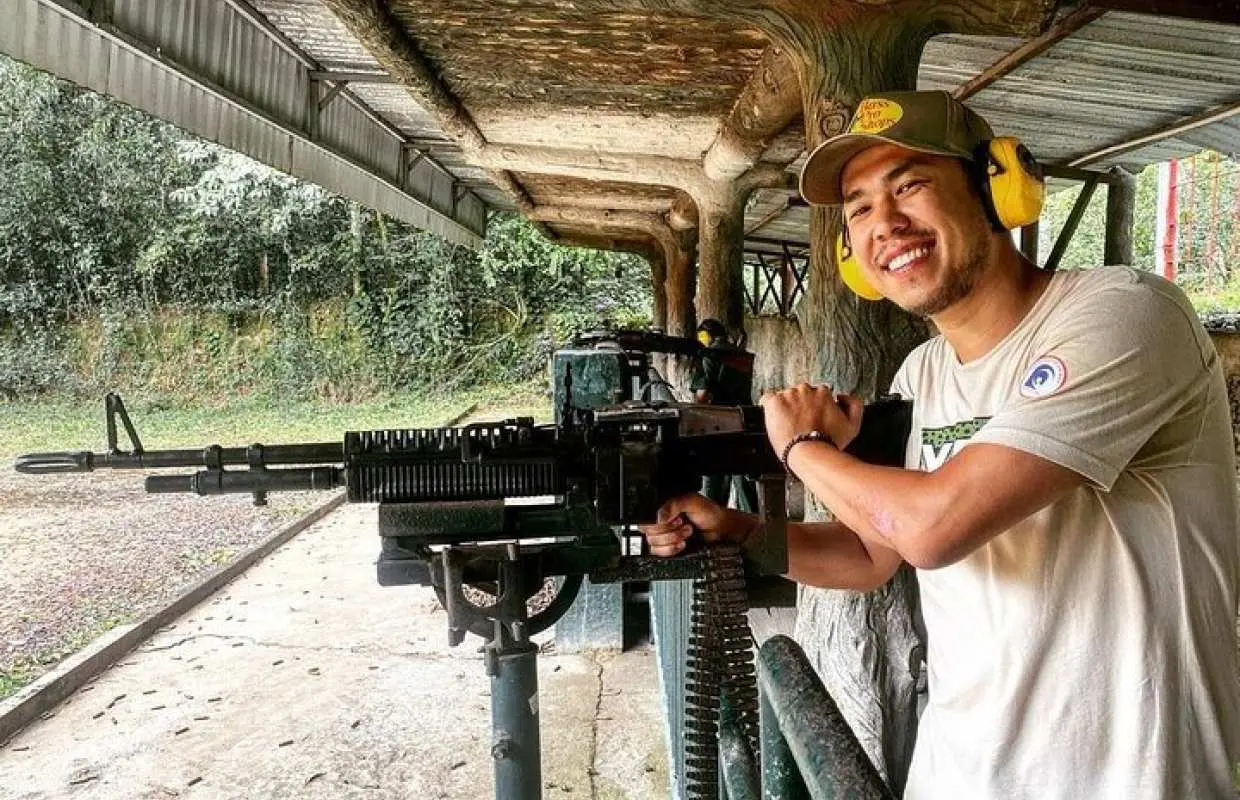
Yes, at the Cu Chi Tunnels site, visitors have the option to participate in a live-fire shooting experience. This activity allows guests to handle and fire various historical weapons used during the Vietnam War, such as AK-47s or M16s, at a designated shooting range. There is usually an additional fee for this experience, and strict safety regulations are enforced.
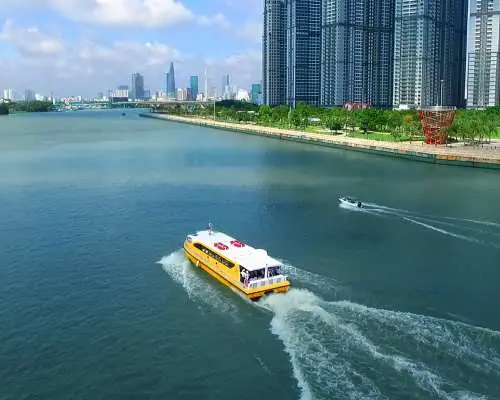
The Ho Chi Minh water bus experience offers a relaxing perspective of the city's riverside scenery. Included as part of the tour, passengers can enjoy a leisurely afternoon tea while cruising along the water. It provides a unique contrast to the historical intensity of the tunnels, allowing for a moment of tranquility and a chance to observe urban life from a different vantage point, akin to river cruises in other major cities.
Get Help


