


Kyoto, Japan|Fox mask, daruma, and wind chime painting experience
- Purchase this experience through KKday, suitable for creating with family and friends and enjoying the fun of hand-made!
- You can use a variety of paints or mix paints on a palette to create your own painting.
- The hand-made experience provides English service and the finished product can be taken home on the same day.
Package Options
Product Info
The content of this product is provided by machine translation and may not reflect the actual information, please take this into consideration before booking.
- Project Introduction -
1. 【Fox mask painting experience】
- Experience the rare fox mask painting! Freely draw a fox mask made of traditional Kyoto paper!
- Experience content:
- You can paint using 8 types of paint or by mixing paints on the palette
- After the creation is completed, the finished product can be taken home
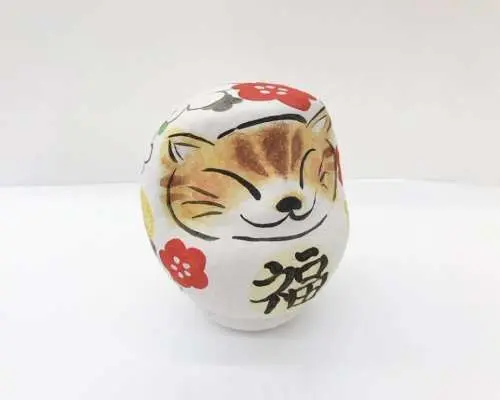
2. [Double Doll Painting Experience]
- Experience the rare art of painting a tumbler! Freely draw a tumbler made of Japanese paper! .
- Experience content:
- You can paint using 8 types of paint or by mixing paints on the palette
- After the creation is completed, the finished product can be taken home
3. Wind Chime Painting Experience
- Experience the rare art of painting a tumbler! Freely draw a tumbler made of Japanese paper!
- Experience content:
- You can paint using 5 types of paint or by mixing paints on the palette
- After the creation is completed, the finished product can be taken home
Free drawing of a fox mask made from traditional Kyoto paper


Free drawing of a tumbler made of Japanese paper


Free drawing of a special wind chime made of glass


Important Info
Includes/Excludes
- Experience Fee
- Other expenses not mentioned above
- Personal expenses
Reminders
Please attend with a Japanese or English-speaking attendee or an interpreter.
How to Use
- To use an e-ticket, please use a mobile device such as a tablet or smartphone to click on the e-ticket link you received after booking, show the e-ticket to the staff and press the use button.
- Electronic tickets can only be used in an Internet environment. Please confirm in advance whether your mobile device can access the Internet normally.
- Please note: Photo screenshots or printouts of paper tickets cannot be used.
- If you purchase multiple tickets at one time, you cannot use them separately. Once you start using them, all tickets will be used at the same time. If you wish to use your ticket multiple times, please purchase it in batches.
- To prevent others from using the e-ticket illegally, when you open the e-ticket again in a different environment than the one you first opened it in, the system will ask you to use the OTP dynamic password for verification. Please follow the steps below to complete the verification:
1. Please enter an email address that can normally receive emails and press the send button.
2. Please check your mailbox to see if you have received the OTP password email. If the email cannot be found, it may be classified as spam. If you still can't find it in your spam folder, it may be that the email address you entered is incorrect. Please reopen the e-ticket usage website and enter your email address again.
3. Please enter the OTP password recorded in the email on the e-ticket screen and click Confirm. If the password is correct, the screen will switch to the e-ticket usage screen.
※Please note: Once the OTP is verified, the email address cannot be changed. Therefore, please be sure to enter your email address when verifying.
How to Use Your Voucher
- Please present the e-voucher on-site
Validity Period
- The voucher must be used on the selected date and within operating hours; Invalid after expiration
Experience Location
Location Name: AKANEYA KYOTO TOWER SANDO store
Address: 2nd Floor, Kyoto Tower Building, 721-1 Higashiookojicho, Shimokyo-ku, Kyoto-shi, Kyoto PrefectureMonday 10:00–19:00 (Last Entry Time: 18:00)
Tuesday 10:00–19:00 (Last Entry Time: 18:00)
Wednesday 10:00–19:00 (Last Entry Time: 18:00)
Thursday 10:00–19:00 (Last Entry Time: 18:00)
Friday 10:00–19:00 (Last Entry Time: 18:00)
Saturday 10:00–19:00 (Last Entry Time: 18:00)
Sunday 10:00–19:00 (Last Entry Time: 18:00)
Cancellation Policy
- Cancellations 31 day(s) (inclusive) before the selected date are allowed. Unused orders can be canceled for free
- For cancellations made 8 to 30 days prior to selected date, a cancellation fee of 40% will apply
- For cancellations made 2 to 7 days prior to selected date, a cancellation fee of 50% will apply
- Cancellation is not allowed between 0–1 days from the selected date. Orders cannot be canceled or modified, and refunds will not be granted.
- Due to time zone differences, the confirmed cancellation date is based on the supplier’s local time. Please allow 2–5 business days to process your cancellation request, after which the cancellation fee will be charged according to the product’s cancellation policy. Once your refund request is confirmed, KKday will initiate the refund to your original payment method within 15 days. The actual refund timing depends on your card-issuing bank’s policy.
FAQ
1. What is the symbolic meaning of a Daruma doll in Japanese culture?
The Daruma doll embodies perseverance and good luck, often used as a talisman for wish fulfillment. It represents Bodhidharma, the founder of Zen Buddhism. When making a wish, one eye is painted. Upon the wish's fulfillment, the second eye is filled in, symbolizing gratitude and completion. These dolls encourage resilience in achieving goals.
2. What are the traditional rituals for disposing of a Daruma doll after a wish is granted?
After a wish is granted and both eyes of a Daruma doll are painted, it's customary to return the doll to the temple or shrine where it was purchased. Many temples hold an annual 'Daruma Kuyo' burning ceremony, usually at the end of the year or early new year, where the dolls are respectfully burned as a gesture of thanks and release, making way for new wishes.
3. Where are significant Daruma doll viewing spots or cultural presence found in Japan?
Daruma dolls are culturally significant throughout Japan. Prominent places to see them include Darumaji Temple in Takasaki (Gunma Prefecture), known for its large Daruma collection and associated with their origin. Many local festivals, particularly around New Year, feature Daruma markets where various sizes and styles of dolls are sold, such as the Daruma City in Takasaki. Temples nationwide also display donated Daruma dolls.
4. What are the origins and historical background of the Daruma doll?
The Daruma doll originated in the Edo period in Takasaki, Gunma Prefecture, drawing inspiration from Bodhidharma, the monk who founded Zen Buddhism. Legends say Bodhidharma meditated for nine years, losing his limbs. The doll's round, limbless shape reflects this, symbolizing his unyielding dedication. Early Daruma dolls were made by local farmers and became popular as charms for good harvests and prosperity.
5. What materials and paints are provided for the Daruma doll painting experience in Kyoto?
For the Daruma doll painting experience in Kyoto, participants are typically provided with a traditional Kyoto paper Daruma doll base. You can expect a palette of eight distinct paint colors to choose from, or you can mix them to create custom shades. Brushes and other necessary tools are also included to allow for personal expression and a fun, creative process, and the finished product can be taken home.
6. What is the cultural significance of a fox mask in Japanese tradition, especially during a painting experience?
Fox masks (kitsune masks) hold deep cultural significance in Japan, often associated with Inari Okami, the Shinto deity of rice, sake, and prosperity. Foxes are seen as messengers of Inari and symbols of intelligence and transformation. Painting a fox mask connects participants with this rich folklore, allowing them to personalize a piece of traditional art often seen at festivals and ceremonies.
7. What can participants expect to create during the wind chime painting experience in Kyoto?
During the wind chime painting experience in Kyoto, participants can expect to personalize a blank wind chime (Furin) using a variety of paints and brushes. The goal is to create a unique design that reflects individual creativity. Once completed, the hand-painted wind chime can be taken home on the same day as a cherished souvenir, offering a melodic reminder of their Kyoto experience.
8. Is the Kyoto painting experience suitable for families and friends who want to create together?
Yes, the Kyoto painting experience is designed to be highly suitable for families and friends. It offers a fun and engaging handmade activity that encourages creativity and shared moments. The inclusive atmosphere, combined with the option to choose between painting a fox mask, Daruma doll, or wind chime, makes it an enjoyable and memorable activity for groups of all ages and interests to experience together.
Get Help


