
Get Exclusive App Deals
Product #271451



KKday Marketplace
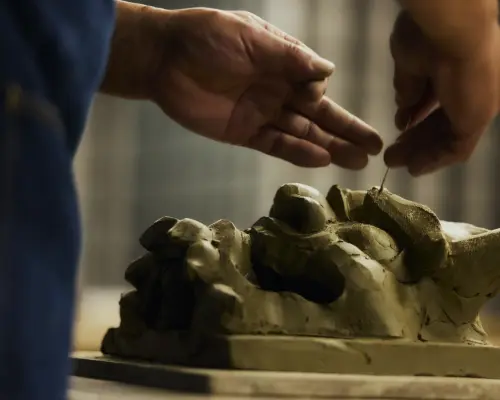
Try your hand at making onigawara tiles, a tradition that has continued for over 400 years! Learn from a master craftsman, an oni-shi (Minami Awaji, Hyogo)
- With a history of 1400 years, roofing tiles have protected Japanese houses, including shrines and temples. Among them are the "Onishi," who have the masterful skills of craftsmen who, without using blueprints or molds, draw a blueprint in their head while looking at the blueprint with their own eyes, and finish the work using only the sense of their fingertips and a handmade spatula. You can make a one-of-a-kind onigawara by learning individually from an "Onishi" how to make onigawara tiles by hand using "name-do," soil that is over 2 million years old.
Product Info
Purchase Notice
Yasutomi Shiratogawara offers courses that elementary school children can experience (separate application required).
It will take approximately 2 months for the item to be delivered. Once completed, it will be sent to you by mail (shipping and packaging fees will be charged separately).
Includes/Excludes
Reminders
[What to wear] Comfortable clothes
How to Redeem Your Voucher
How to Use Your Voucher
- Please present the e-voucher on-site
Meeting Point
Location Name: Awaji Island Kawaraya Yasutomi White Clay Roof Tiles
Address: 105-2 Matsuho Wakida, Minami Awaji City, Hyogo Prefecture, 656-0312Cancellation Policy
- Cancellations 8 day(s) (inclusive) before the selected date are allowed. Unused orders can be canceled for free
- For cancellations made 2 to 7 days prior to selected date, a cancellation fee of 20% will apply
- For cancellations made 1 to 1 days prior to selected date, a cancellation fee of 50% will apply
- Cancellation is not allowed between 0–0 days from the selected date. Orders cannot be canceled or modified, and refunds will not be granted.
- Due to time zone differences, the confirmed cancellation date is based on the supplier’s local time. Please allow 2–5 business days to process your cancellation request, after which the cancellation fee will be charged according to the product’s cancellation policy. Once the cancellation is confirmed, you will receive your refund within 14 working days.
Get Help


Contact Merchant


