


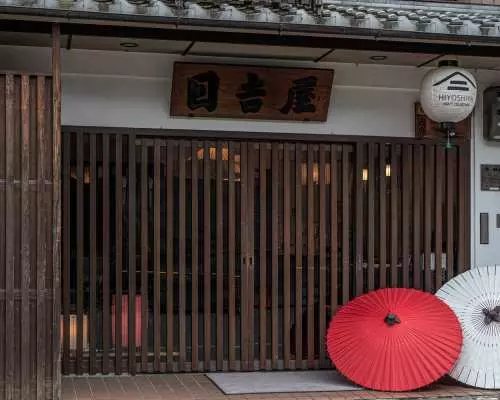
Reservations for a tour of the Kyoto umbrella workshop (Kyoto/Japanese culture tour)
- A special guide to the Japanese umbrella making workshop, which is normally off-limits to the public.
- Experienced staff will carefully explain the history and manufacturing process of Kyoto umbrellas.
- Here are courses with experience: " Mini Japanese Umbrella Making Experience " and " Mini Kotozato Table Lamp Making Experience "
Cultural Experiences
| Location | Indoor |
| Cultural experience type | Traditional culture experience |
Product Info
The content of this product is provided by machine translation and may not reflect the actual information, please take this into consideration before booking.
Hiyoshiya is a long-established Kyoto umbrella store founded in the late Edo period. For over 160 years since its founding, the company has continued to make Kyoto umbrellas, inheriting traditional techniques.
Even today, they still produce and repair various types of Japanese umbrellas, and are the only workshop that continues to carry on the techniques of "Kyoto Japanese umbrellas" that have been passed down from generation to generation.
The workshop is located in Nishijin, Kyoto, an area that is home to many of Kyoto's historical and cultural heritage, including Nishijin textiles, and where traditional, charming streets still remain.
After your tour of the workshop, you can enjoy a stroll around the historical city of Kyoto. We look forward to welcoming you to our store.
A special tour of the Japanese umbrella making workshop, which is normally off-limits to the public (workshop tour)


Important Info
Includes/Excludes
Reminders
Each session is limited to one group (1-8 people).
The experience will take place on floors 1 to 3. Please note that there are no elevators.
Please note that we do not have staff on-site who can speak English or other foreign languages. Please note that guidance will be provided in Japanese or using a translation app.
How to Redeem Your Voucher
How to Use Your Voucher
- Please present the e-voucher on-site
Experience Location
Location Name: Kyoto Umbrella Hiyoshiya Main Store
Address: 546 Momocho, Kamigyo Ward, Kyoto City, Kyoto Prefecture, 602-0072
Closed: Saturdays, Sundays, New Year holidays

Cancellation Policy
- Cancellations 2 day(s) (inclusive) before the selected date are allowed. Unused orders can be canceled for free
- For cancellations made 1 to 1 days prior to selected date, a cancellation fee of 50% will apply
- Cancellation is not allowed between 0–0 days from the selected date. Orders cannot be canceled or modified, and refunds will not be granted.
- Due to time zone differences, the confirmed cancellation date is based on the supplier’s local time. Please allow 2–5 business days to process your cancellation request, after which the cancellation fee will be charged according to the product’s cancellation policy. Once the cancellation is confirmed, you will receive your refund within 14 working days.
FAQ
Traditional Kyoto umbrellas (wagasa) are meticulously crafted from bamboo and washi paper, requiring gentle care. Visitors at a workshop can learn about their delicate structure, proper drying techniques after use, and storage methods to prevent damage and maintain their shape. This knowledge highlights their value as artisanal pieces, intended for longevity.
While the Kyoto umbrella workshop offers a direct insight into the craft, Kyoto has various spots celebrating Japanese artistry. Visitors can explore traditional craft shops that display beautiful wagasa, often located in historic districts. Some temples or gardens might feature wagasa in seasonal decorations or art installations, particularly during certain cultural events, enhancing the city's unique charm.
In Japan, a specific etiquette surrounds umbrella use. It's customary to shake off excess water outside before entering buildings and to place wet umbrellas in provided stands or plastic bags, especially in shops, restaurants, or public transport. When visiting a traditional setting like a Kyoto umbrella workshop, being mindful of not dripping water indoors is particularly appreciated, showing respect for the environment and the craft.
Japanese umbrellas hold rich symbolism, often representing protection, prosperity, and beauty. Historically, sharing an umbrella (aikasa) can signify intimacy or a close relationship. Within a Kyoto umbrella workshop tour, discussions might delve into how specific colors, patterns, and craftsmanship elements on wagasa reflect seasonal themes, traditional narratives, or the aesthetics of Japanese culture, embodying centuries of artistic tradition.
While Japan is generally very safe, it's always prudent to keep personal belongings secure. When visiting attractions or a Kyoto umbrella workshop, it's best not to leave umbrellas unattended in public stands, especially if they are valuable. Using a compact umbrella or a wet umbrella bag to carry it with you indoors can offer better security and convenience, preventing loss or mix-ups.
Yes, traditional Kyoto umbrellas, or wagasa, play a significant role in various cultural events and festivals in Kyoto. They are often featured in processions, tea ceremonies, and traditional dance performances, adding a vibrant and elegant touch. A Kyoto umbrella workshop tour might indeed discuss how these handcrafted umbrellas are integrated into seasonal rituals and historical celebrations, showcasing their profound cultural importance.
Kyoto umbrellas (wagasa) are distinct due to their meticulous hand-craftsmanship using natural materials like bamboo for the frame and durable washi paper for the canopy, often adorned with exquisite hand-painted designs. Unlike mass-produced umbrellas, each wagasa is a unique piece of art, known for its beauty and traditional durability. A workshop visit reveals the intricate, multi-step processes and specialized skills that contribute to their unparalleled quality and cultural significance.
On the Hiyoshiya Kyoto Umbrella Factory Tour, visitors gain exclusive insight into the world of traditional Japanese umbrellas. You can expect to learn about the long and rich history of Kyoto umbrellas, from their origins to their evolution through different eras. Experienced staff will provide detailed explanations of the intricate, multi-step manufacturing process, highlighting the specialized techniques involved in crafting these unique artisanal and functional items.
Get Help


