


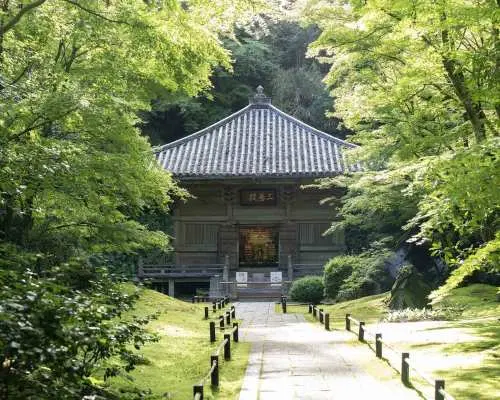

4 Day Private Retreat: Zen Practice and Renewal in Tohoku, Japan
This retreat offers you four days to connect with yourself through Zen, nestled in the historic landscape of Matsushima. Each morning, you will practice Zen meditation in the serene atmosphere of a temple with a Buddhist priest. In the afternoons, immerse yourself in the unique charm of Matsushima in spring. Stroll through a traditional Japanese garden inspired by Zen, enjoy the beauty of cherry blossoms in full bloom, and delve into the history of Oshima Island, once a training ground for Zen monks. Step away from the hustle and bustle of daily life and refresh your mind and body in the beauty of nature.
The price is per person based on twin occupancy. Solo travel is also possible, but an additional charge will apply.
Tour Highlights
- Practice Zen over 4 Days: On Day 1, you will visit Zuiganji Temple, one of Tohoku's most renowned Zen temples, to delve into its history and learn the basics of Zazen. For Day 2 and Day 3, you will spend each morning at the serene Saikoji Temple to practice Zen.
- Tohoku Through the Seasons: Experience the beauty of Matsushima in every season — from cherry blossoms and fresh greenery in spring, to lush summer landscapes, vibrant autumn foliage, and the serene charm of winter.
- Discover Deeper Meaning: Experience the heart of Japan through drinking matcha in a traditional Japanese building and gain deeper insights into Japanese culture through interactions with a Buddhist priest.
Package Options


Sightseeing Tours
| Tour Type | Private tour |
| Flexible Itinerary | Customizable Itinerary |
| Tour types | Guided tour |
| Meal arrangement | Breakfast included, Lunch included, With dinner |
| Accommodation type | Hotel |
| Room type | Double room |
| Sightseeing type | Natural sights, City walking tour, Temples & shrines, Historic site tour |
| Transport | Charter car, Walking |
Product Info
Purchase Notice
Cancellation Policy
- Once the order has been completed, it cannot be canceled, modified, or refunded
- Due to time zone differences, the confirmed cancellation date is based on the supplier’s local time. Please allow 2–5 business days to process your cancellation request, after which the cancellation fee will be charged according to the product’s cancellation policy. Once your refund request is confirmed, KKday will initiate the refund to your original payment method within 15 days. The actual refund timing depends on your card-issuing bank’s policy.
FAQ
1. What is included in the cost of a 4-day private Zen retreat in Tohoku?
The retreat cost typically covers four days of guided Zen practice, including Zazen meditation sessions with a Buddhist priest at serene temples like Zuiganji and Saikoji. It also encompasses immersive cultural experiences such as a traditional matcha ceremony. Accommodation arrangements are usually provided on a twin occupancy basis, with an option for solo travelers at an additional fee. Meals and local transportation within the retreat's itinerary are also generally included, allowing for a seamless and enriching experience.
2. Does the Tohoku Zen retreat involve staying in a traditional Buddhist temple or monastery?
The 4-day Tohoku Zen retreat deeply immerses participants in traditional temple environments for spiritual practice and cultural interaction. You will engage in daily Zen practice at temples such as Zuiganji and Saikoji, guided by a Buddhist priest. While the retreat emphasizes a temple-centered experience, the accommodation itself is not typically a monastic stay. Guests usually reside in comfortable lodging within the historic Matsushima landscape, designed to complement the contemplative atmosphere of the retreat.
3. What kind of Zen practices are included in the 4-day Tohoku Zen retreat?
The 4-day Tohoku Zen retreat incorporates a structured program of Zen practices focused on meditation and mindfulness. On Day 1, you will visit Zuiganji Temple to learn the fundamentals of Zazen meditation and explore its historical significance. For Day 2 and 3, mornings are dedicated to practicing Zen meditation in the tranquil setting of Saikoji Temple, guided by a Buddhist priest. These sessions provide an opportunity for inner reflection and connection with oneself, rooted in traditional Japanese Zen philosophy.
4. Which specific temples are visited for Zen practice during the Tohoku Zen retreat?
During the Tohoku Zen retreat, participants visit two prominent temples for Zen practice and cultural immersion. On Day 1, you will explore Zuiganji Temple, one of Tohoku's most historically significant Zen temples, to learn about its rich heritage and the basics of Zazen. On Day 2 and Day 3, the morning Zen practice sessions are held at the serene Saikoji Temple, offering a peaceful environment for meditation under the expert guidance of a Buddhist priest.
5. What are the recommended transportation options for reaching the Matsushima area for the Tohoku Zen retreat?
To reach Matsushima for the Zen retreat, the most common method is by train from Sendai. From Sendai Station, you can take the JR Senseki Line directly to Matsushima-Kaigan Station. The journey typically takes about 30-40 minutes and offers scenic views along the way. Alternatively, for a more direct and convenient transfer from Sendai Airport or other major hubs, private transfer services can be arranged, providing a comfortable journey directly to your accommodation in Matsushima.
6. When is the best time to experience the scenic beauty of Matsushima during the Tohoku Zen retreat?
Matsushima offers distinct scenic beauty throughout the year, making any season suitable for the Zen retreat. Spring (April-May) is ideal for cherry blossoms and fresh greenery. Summer (June-August) provides lush landscapes and clear waters. Autumn (October-November) showcases vibrant autumn foliage, painting the islands in warm hues. Winter (December-March) presents a tranquil, serene charm with occasional snowscapes, offering a unique contemplative atmosphere perfect for reflection.
7. What makes Matsushima a unique and appealing location for a Zen retreat in Tohoku?
Matsushima is exceptionally appealing for a Zen retreat due to its status as one of Japan's three most scenic views, renowned for its picturesque bay dotted with pine-clad islands. Its natural beauty fosters a profound sense of tranquility, ideal for contemplation. Historically, Matsushima has been a sacred site for Zen practice, with temples like Zuiganji and Oshima Island serving as ancient training grounds for monks. This rich spiritual heritage combined with stunning landscapes provides a deeply immersive environment for renewal.
8. What cultural experiences are offered during the Zen practice and renewal retreat in Tohoku?
Beyond Zen meditation, the retreat offers enriching cultural experiences designed to deepen your connection to Japanese traditions. You'll have the opportunity to participate in a traditional matcha ceremony, savoring Japanese tea in an authentic setting. Furthermore, engaging in meaningful interactions with a Buddhist priest provides unique insights into Japanese culture, Zen philosophy, and daily life within the temple. These experiences are crafted to enhance your understanding and appreciation of Japan's spiritual heritage.
Get Help


