


Cherry Blossom Buddha and Mt.Yoshino with Strawberry Picking Tour
- Visit Tsubosakadera Temple which is known for Cherry Blossom Buddha
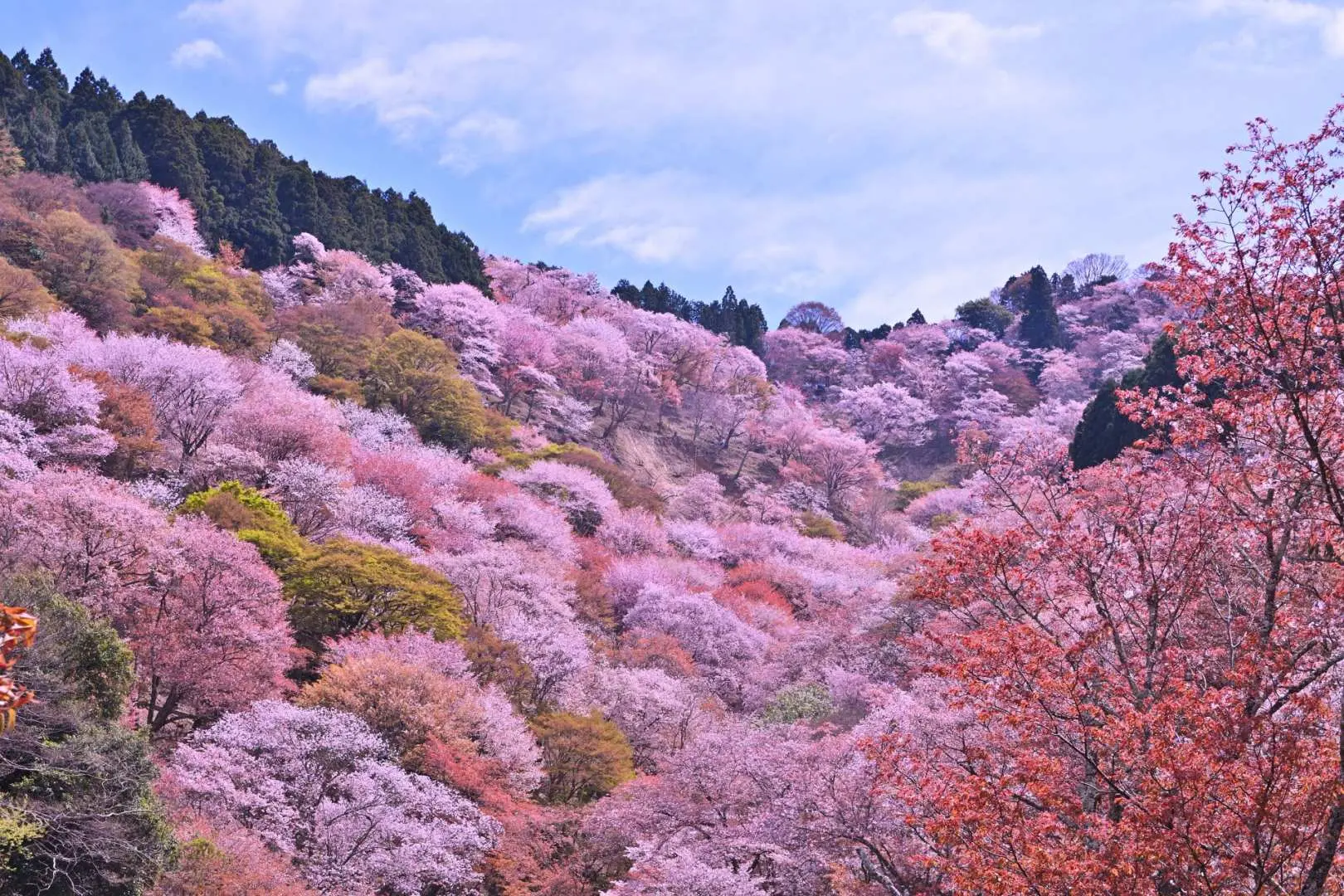
- Enjoy the breathtaking cherry blossom view of Mount Yoshino
- Includes strawberry picking experience
- Enjoy picnic bento for lunch (Optional)
- Breathtaking scenery of cherry blossoms in Nara
- Make a small stop at the roadside station in Katsuragi for shopping
Product Info
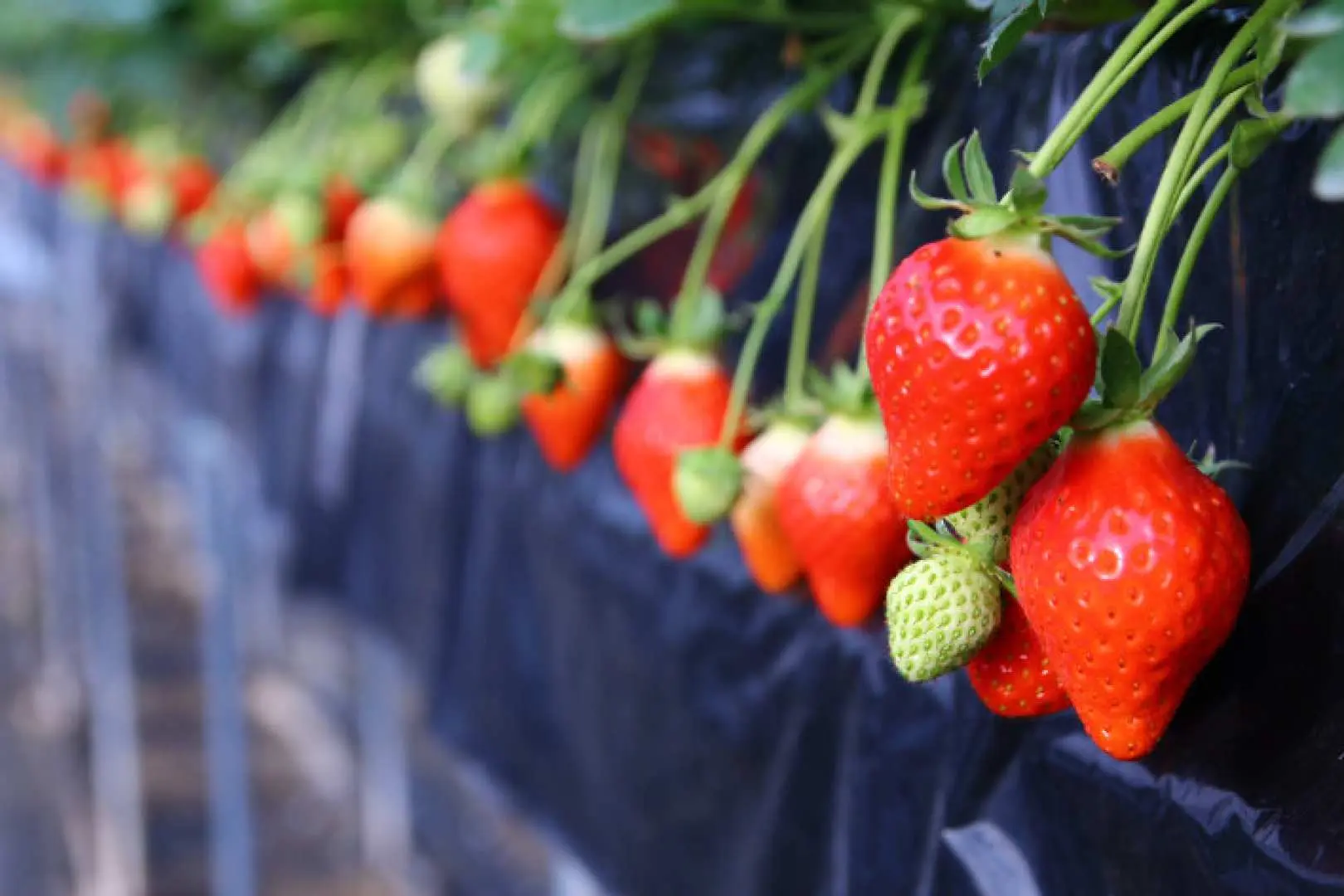
- Strawberry Picking Experience
Enjoy a strawberry picking experience in Asuka village.
You can taste local specialty of sweet strawberries with an all you can eat option for 30 minutes!
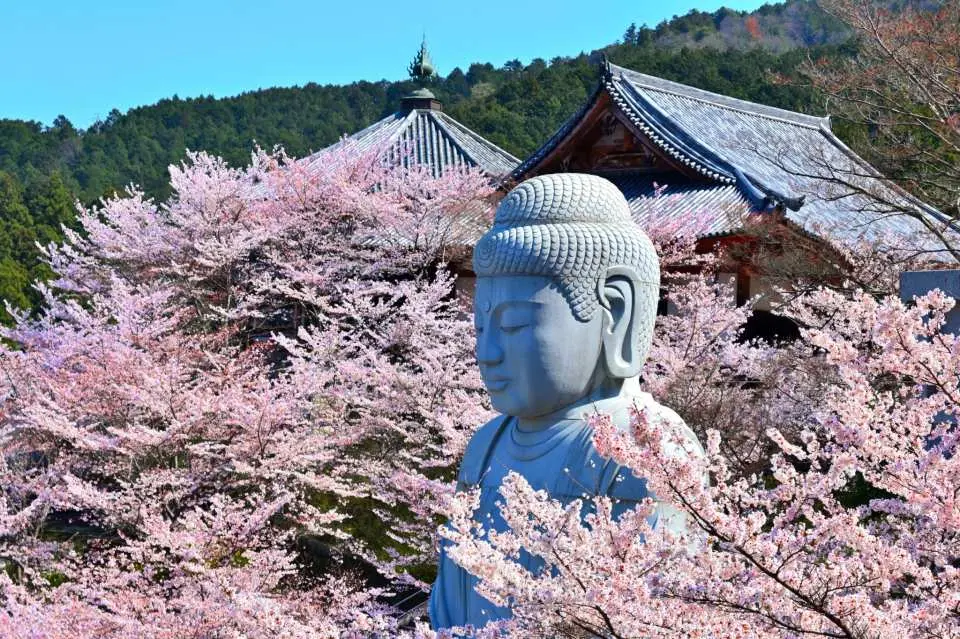
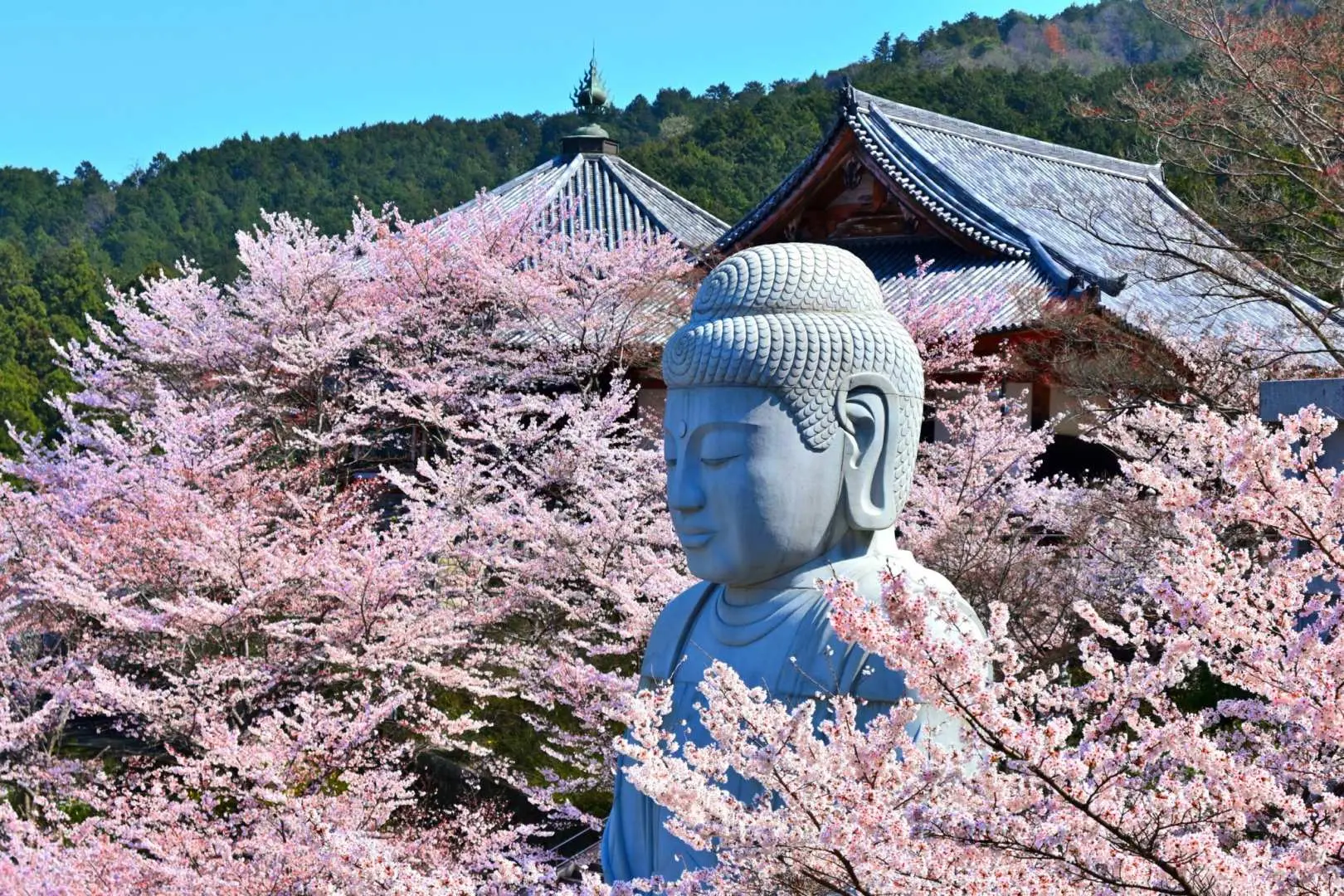
- Tsubosakadera Temple
Explore Tsubosakadera Temple is known for its Great Cherry Blossom Buddha.
Alongside the impressive Buddha, you will find various giant stone Buddhas gifted from India, creating a unique and captivating atmosphere.
The temple is also famous for its cherry blossoms, which cover the entire temple grounds.
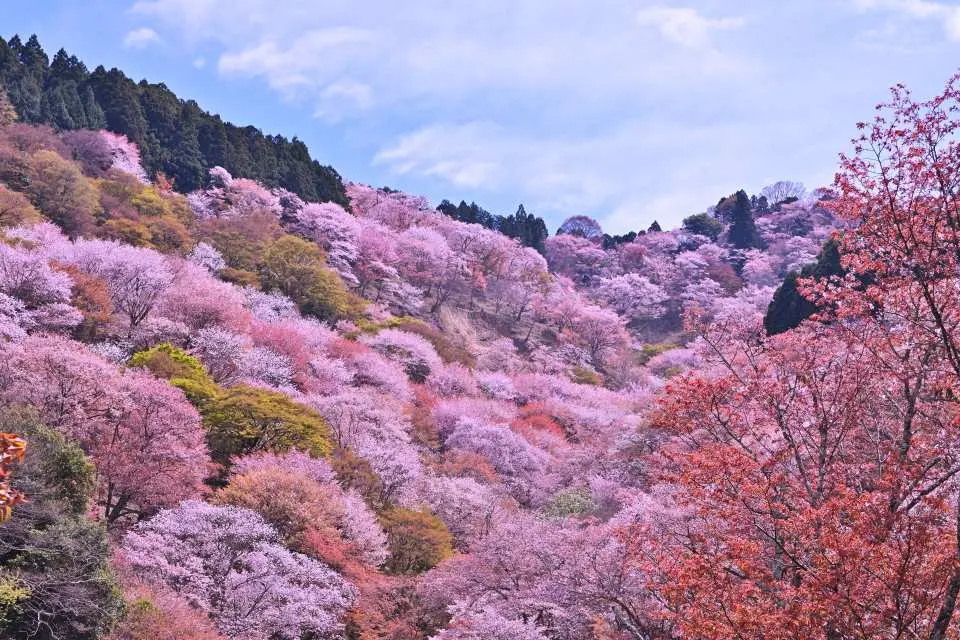
- Cherry blossom viewing at Mount Yoshino
Enjoy beautiful cherry blossoms at one of Japan's most famous spots for cherry blossom viewing. We are sure that you will have a memorable cherry blossom viewing experience at Mount Yoshino.
Depending on the cherry blossom conditions in Mt. Yoshino, we may take you to a different location.
If the cherry trees are not in full bloom, we will take you to Ohnaka Park (Onaka, Yamatotakada-shi, Nara-ken 635-0095).
- Small stop at the roadside station Katsuragi for shopping
Make a stop at Roadside Station in Katsuragi and enjoy shopping for local products and souvenirs. Let's try some delicious local sweets!
Strawberry Picking Experience

Tsubosakadera Temple
Cherry blossom viewing at Mount Yoshino
Purchase Notice
- Information about tour operator
Name H.I.S. Co.,Ltd
address Kamiyacho Trust Tower 5F 4-1-1 Toranomon, Minato-ku, Tokyo 105-6905, JAPAN
registration number No.724 by Commissioner of Japan Tourism Agency
- Information about tour
Place of departure and destination: OSAKA
number of days of travel 1 day
means of transportation BUS
name of bus company: GINGA KOTSU
name of railway company Nishi-Nippon Railroad Co., Ltd.
meals:Not included
Minimum number of passengers to operate:10
Number of GUIDE:1
・Please, read and understand the terms and conditions about our travel packages at the following link: https://www.his-j.com/company/yakkan/boshu_j_2009.pdf
・Please, read and understand the terms and conditions about this product at the following link: https://www.his-j.com/company/yakkan
Reminders
A minimum of 15 traveler(s) are required for the tour to depart. If the number of participants does not reach the minimum requirement, the tour will be canceled. An email regarding tour cancellation will be sent 4 day(s) before the departure date
Please arrive at the designated location 15 minute(s) before the scheduled departure time, as the tour will depart on time
For the picnic bento lunch, it includes four pieces of Kakinohazushi (Nara local cuisine, sushi wrapped in persimmon leaves), fried food, Japanese-style rolled omelet, Japanese seasonal side dish, and one pack of Green tea. (The contents of the product may change depending on the season and availability.)
Please note that obento ingredient cannnot be change. If you have any allergies or dietary restrictions, please choose the No Lunch plan and prepare your own.
This is not a private tour, you will enjoy the tour with other guests.
If minimum number of participants of 10 is not met by 14 days before the scheduled date, the tour on that date may be cancelled.
Bringing large luggage on the tour is not allowed.
Please arrive at the meeting location 15 minutes prior to the departure time.
IMPORTANT: The bus will depart according to the schedule and will not wait for late arrivals.
The schedule is subject to change without prior notice.
Due to traffic or other reasons, the duration of visits at each destination may be shortened, and arrival times may be delayed.
Refunds will not be provided if you fail to arrive at the meeting location on time (no show).
In the event of a natural disaster, such as a typhoon, the tour will be canceled, and a full refund will be issued.
Please note that cherry blossoms may not be seen due to weather conditions.
Wheelchair is not accessible. This tour involves a lot of walking. If you have trouble walking, we advise you not to book this tour.
Cancellation Policy
- Cancellations 11 day(s) (inclusive) before the selected date are allowed. Unused orders can be canceled for free
- For cancellations made 8 to 10 days prior to selected date, a cancellation fee of 20% will apply
- For cancellations made 2 to 7 days prior to selected date, a cancellation fee of 30% will apply
- For cancellations made 1 to 1 days prior to selected date, a cancellation fee of 40% will apply
- Cancellation is not allowed between 0–0 days from the selected date. Orders cannot be canceled or modified, and refunds will not be granted.
- Due to time zone differences, the confirmed cancellation date is based on the supplier’s local time. Please allow 2–5 business days to process your cancellation request, after which the cancellation fee will be charged according to the product’s cancellation policy. Once the cancellation is confirmed, you will receive your refund within 14 working days.
FAQ
The traditional Japanese custom of cherry blossom viewing is called "Hanami." It involves gathering with friends and family under blooming cherry trees, often in parks or scenic spots like Mount Yoshino, to appreciate their ephemeral beauty. People typically bring food, drinks, and enjoy picnics while admiring the blossoms. It's a cherished annual event celebrating spring and nature's transient splendor.
In Japanese culture, cherry blossoms, or Sakura, deeply symbolize the ephemeral nature of life, beauty, and renewal. Their brief, brilliant bloom and graceful fall remind us of life's transient beauty and the importance of living in the moment. In a Buddhist context, especially at temples like Tsubosakadera, they reinforce themes of impermanence (mujō) and the cycle of life and death, reflecting on the fleeting yet precious aspects of existence.
Tsubosakadera Temple is renowned for its compassion and is particularly associated with legends of healing, especially for eye ailments. One prominent legend involves Gankei, a monk who dedicated his life to healing. The temple is home to a large Buddha statue, often depicted amidst cherry blossoms, symbolizing mercy and spiritual vision. Its history is rich with tales of miraculous cures and the profound devotion of its followers, making it a significant spiritual site.
The optimal season to experience the full beauty of cherry blossoms at Mount Yoshino is typically from late March to mid-April. Mount Yoshino is famous for its "Senbonzakura" (thousand cherry trees) spread across four zones (Shimo, Naka, Kami, Oku). The bloom progresses from the lower to the higher areas, allowing for an extended viewing period. Checking local forecasts or bloom reports closer to your travel date is recommended for precise timing.
Visitors to Mount Yoshino during cherry blossom season can expect a breathtaking spectacle of over 30,000 cherry trees covering the mountainside. You can witness a stunning progression of blooms from the base to the summit. Key experiences include exploring historic temples and shrines, enjoying panoramic views from various observation decks, and leisurely walks through blossom-lined paths. The atmosphere is vibrant with local food stalls and unique seasonal delights.
To fully appreciate the main cherry blossom viewing areas on Mount Yoshino, it's recommended to allocate at least half a day, ideally 4-6 hours. This allows ample time to explore the Shimo, Naka, and Kami Senbon areas at a relaxed pace, visit key temples like Kinpusenji, enjoy the scenic walks, and stop for photographs. If you wish to reach the Oku Senbon area or explore more extensively, a full day might be preferable.
The strawberry picking experience on this tour typically involves visiting a local farm where you can hand-pick fresh, ripe strawberries directly from the plants. Participants are usually given a designated amount of time, such as 30 minutes, to enjoy eating as many strawberries as they like directly from the fields. It's a delightful, hands-on activity that offers a taste of local seasonal produce and a fun break from sightseeing.
The Cherry Blossom Buddha at Tsubosakadera Temple is significant for its unique blend of spiritual symbolism and natural beauty. This grand statue, often adorned or surrounded by vibrant cherry blossoms during spring, embodies compassion and healing, particularly for eye-related ailments, which is a key legend of the temple. The combination of the sacred image with the ephemeral beauty of Sakura creates a profound and visually striking experience for visitors.
Get Help


