


Bali Purma Art & Workshop Experience: Discover and Create Traditional Balinese Art, Craft, and Culture
Explore Balinese culture at Bali Purma Art and Workshop. Create unique pieces such as silver jewelry, bamboo carvings, Batik textiles, and Canang offerings with guidance from local artisans.
- Discover the spiritual art of crafting daily Balinese offerings, exploring their symbolism and cultural significance
- Design and create a unique silver jewelry piece with guidance from skilled Balinese silversmiths
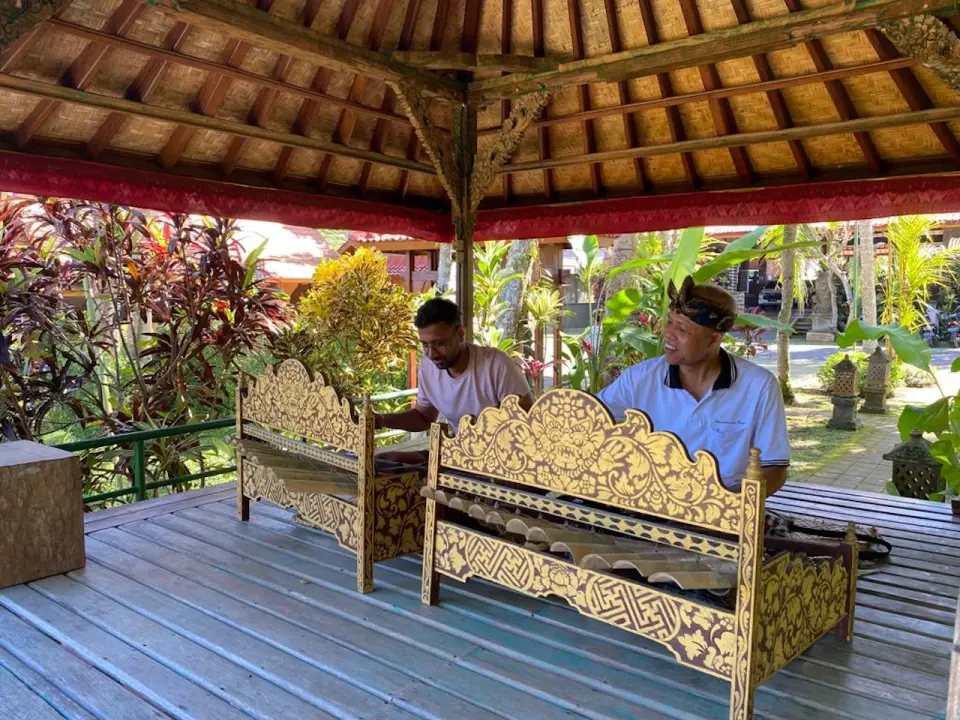
- Experience the soothing melodies of the traditional bamboo instrument, the Rindik, through hands-on instruction from local musicians
Cultural Experiences
| Location | Indoor |
| Experience type | Metalworking, Jewelery making, Art, Painting, Knitting experience, DIY Workshop, Dance class |
| DIY type | Carving class, Accessory making, Ring making |
Product Info
— What You Can Expect —
- Offering Class (2 hours): Learn the intricate art of crafting Canang, the daily offerings central to Balinese Hindu culture. Made from palm leaves, bamboo, and flowers, each Canang carries deep symbolic meaning. At Bali Purma Studio, not only will you create your own Canang, but you'll also uncover its spiritual significance.
- Hinduism in Bali (3 hours): Immerse yourself in Bali’s rich culture by exploring Hinduism, its history, and daily practices. This class provides deep insights into temple ceremonies, blessings, and the unique Balinese lifestyle, offering a rare chance to learn beyond the typical tourist experience.
- Bamboo Carving (2 hours): Create your own bamboo masterpiece with guidance from expert carvers at Bali Purma Studio. Whether it’s an animal or a decorative piece, you’ll learn carving techniques and take home a unique souvenir that captures your Bali experience.
- Batik Class (3 hours): Discover the traditional art of Batik, deeply intertwined with Balinese ceremonies. Under the guidance of a renowned Ubud teacher, you’ll sketch, color, and create your own Batik piece, which you can proudly take home. All materials are provided.
- Rindik Class (2 hours): Learn to play the Rindik, a traditional bamboo instrument that fills the air with soothing melodies. This class introduces you to the basics of Balinese music, giving you hands-on experience with this unique instrument.
- Balinese Dance (2 hours): Experience the grace and elegance of Balinese dance in this beginner’s class. Professional instructors will teach you the fundamentals of footwork, hand movements, and expressions. Learn iconic dances like the Panyembrama and Baris, and enjoy the chance to perform under expert guidance.
- Silver Class (3 hours): Design and create your own silver jewelry with the help of a skilled silversmith. From crafting to polishing, you'll handle every step, resulting in a beautiful ring, earrings, or pendant to treasure.
- Kite Making Class (2 hours): Discover the joy of Balinese kite-making, a beloved tradition celebrated in annual competitions. At this studio, you'll craft your own kite and take it home, a perfect reminder of your Bali adventure.
- Lontar Weaving (2 hours): Learn the ancient craft of Lontar weaving, integral to Balinese Hindu ceremonies. Create your own beautiful woven piece, guided by skilled artisans, and take home a unique souvenir of your cultural experience.
- Painting Class (3 hours): Unleash your creativity in this painting class with professional instruction in acrylics and watercolors. Whether you paint landscapes or abstract art, your masterpiece will be a lasting memory of your time in Bali.
- Wood Carving or Mask Making (3 hours): Explore the Balinese tradition of wood carving or mask making. Learn about the tools and techniques used by master craftsmen, then create your own piece to take home, a testament to your artistic journey in Bali.
- Fruit Carving (2 hours): Master the traditional art of fruit carving, often seen in Balinese ceremonies and home decorations. Learn to carve intricate shapes like flowers from fruit, guided by an expert, and create your own edible artwork.
Unleash your inner artist in Bali's vibrant painting class, where every brushstroke captures the island's enchanting beauty
Craft your own stunning silver jewelry and take home a sparkling memory of your Bali adventure
Weave tradition into art with the Lontar weaving class, where ancient Balinese techniques become your unique creation
Immerse yourself in Bali’s rich heritage as you design your own Batik masterpiece
Carve your own piece of Bali's artistic soul in this hands-on wood carving experience guided by master craftsmen
Step into the rhythm of Bali’s culture as you learn the graceful and mesmerizing movements of traditional Balinese dance
Soar with the wind as you create and fly your own vibrant Balinese kite, a symbol of freedom and joy


Transform ordinary fruits into extraordinary edible art, mastering the intricate techniques of Balinese fruit carving


Capture Bali’s breathtaking landscapes on canvas in a painting class that turns your creativity into a lasting keepsake


Fill the air with soothing melodies as you learn to play the traditional bamboo Rindik, Bali's soulful instrument

Important Info
Includes/Excludes
Experience Location
Location Name: Bali Purma Art & Workshop - Silver Making | Batik Painting | Wood Carving
Address: Jl. Tegal Bingin No.Br, MAS, Kecamatan Ubud, Kabupaten Gianyar, Bali 80571, IndonesiaCancellation Policy
- Cancellations 2 day(s) (inclusive) before the selected date are allowed. Unused orders can be canceled for free
- Cancellation is not allowed between 0–1 days from the selected date. Orders cannot be canceled or modified, and refunds will not be granted.
- Due to time zone differences, the confirmed cancellation date is based on the supplier’s local time. Please allow 2–5 business days to process your cancellation request, after which the cancellation fee will be charged according to the product’s cancellation policy. Once the cancellation is confirmed, you will receive your refund within 14 working days.
FAQ
At the Bali Purma Art & Workshop Experience, visitors can engage in hands-on creation of various traditional Balinese art forms. This includes designing and crafting unique silver jewelry pieces, carving intricate designs into bamboo, learning the art of Batik textile dyeing, and creating spiritual Canang offerings. These workshops provide insight into the rich artistic traditions of Bali through practical experience.
Balinese art forms, including carving and textiles, are deeply rooted in Hindu-Javanese traditions and spiritual beliefs. Balinese bamboo carving often draws from nature and mythology, reflecting the island's connection to its environment and deities. Batik textiles, with their intricate patterns, have a long history of depicting mythological stories, religious symbols, and daily life, serving both aesthetic and ceremonial purposes integral to Balinese cultural expression.
The cultural development of traditional Balinese art has been significantly shaped by regions like Ubud, which became a prominent artistic hub in the early 20th century. Historically, the kingdom of Gelgel in the 16th century was a crucial center, followed by Klungkung. These areas fostered distinct styles and techniques, with artists drawing inspiration from religion, mythology, and royal patronage, contributing to the rich tapestry of Balinese artistic heritage.
The value of traditional Balinese artworks is influenced by several factors. These include the intricacy and detail of the craftsmanship, the quality and rarity of materials used (e.g., specific woods for carvings, natural dyes for textiles), the reputation and skill of the artisan, and the age or historical significance of the piece. Larger, more complex, or culturally significant works often command higher appreciation due to the time and expertise invested.
When transporting handmade Balinese art, it's crucial to pack items securely. For silver jewelry, use a protective pouch to prevent scratches and tangling. Batik textiles should be rolled or folded carefully and placed in a dry, breathable bag to avoid creasing or moisture damage. At home, store silver jewelry in an airtight bag to prevent tarnishing and keep Batik away from direct sunlight and harsh chemicals to preserve colors and fabric integrity.
To reach the Bali Purma Art & Workshop, visitors typically have several transportation options. Taxis or ride-hailing services like Grab or Gojek are widely available and convenient across Bali. Many visitors also opt for private car hires with a driver, which offers flexibility for a full day of exploration. Some tour packages may include transfers directly to the workshop, providing a hassle-free journey to the location.
Balinese Canang offerings are daily devotional acts, small palm-leaf baskets filled with flowers, rice, and incense, symbolizing gratitude and self-sacrifice to the gods and spirits. They are an integral part of Balinese Hindu life. The Rindik is a traditional bamboo xylophone, primarily used in ceremonies and social gatherings. Its gentle, soothing melodies create a serene atmosphere, embodying the harmonious spirit of Balinese culture and traditions.
In the Balinese silver jewelry workshop, local silversmiths teach fundamental techniques such as metal shaping, soldering, filing, and polishing to create unique designs. For Batik textile workshops, artisans guide participants through traditional wax-resist dyeing methods, including drawing patterns with canting tools and applying dyes. Both workshops emphasize authentic Balinese artistic craftsmanship and cultural expression through hands-on learning.
Get Help


