


Lake Toba and Karo Highlands Private Tour from Medan City | Indonesia
Discover Karo Highlands and Lake Toba on a private tour from Medan, featuring markets, waterfalls, and cultural villages.
- Discover fresh, local produce at Brastagi Fruit Market, enriched by the region’s volcanic soil
- Enjoy panoramic views of Southeast Asia’s largest crater lake, Lake Toba
- Witness the dramatic 120-meter plunge of Sipiso-Piso Waterfall with Lake Toba in the background
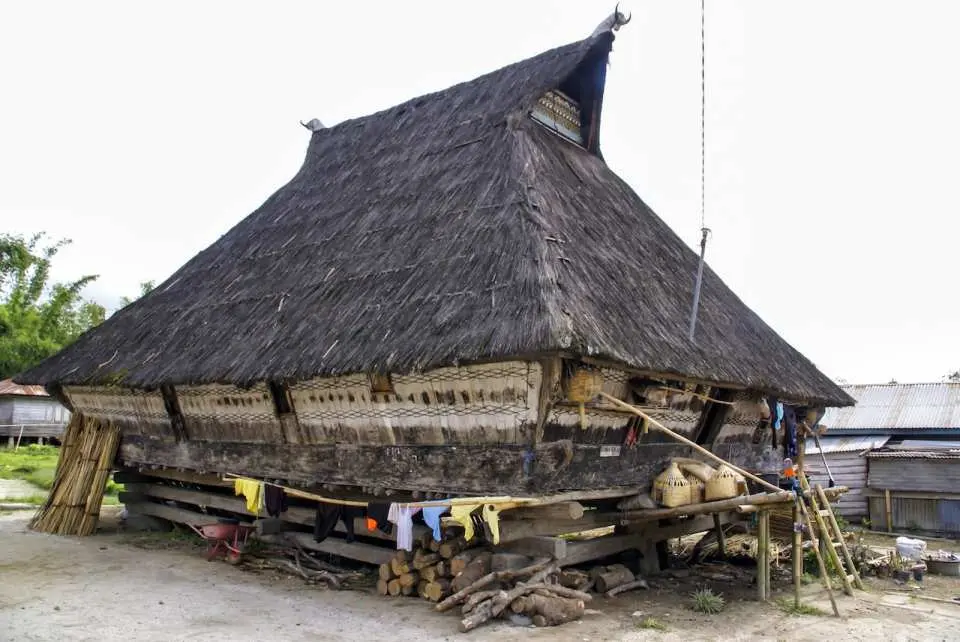
- Experience traditional Batak culture by visiting authentic houses where multiple families live together
Package Options


Sightseeing Tours
| Tour Type | Private tour |
| Transportation method | Hotel transfer |
| Tour types | Guided tour |
| Sightseeing type | Natural sights, Traditional markets, Eco-tourism |
| Transport | Charter car |
Product Info
— What You Can Expect —
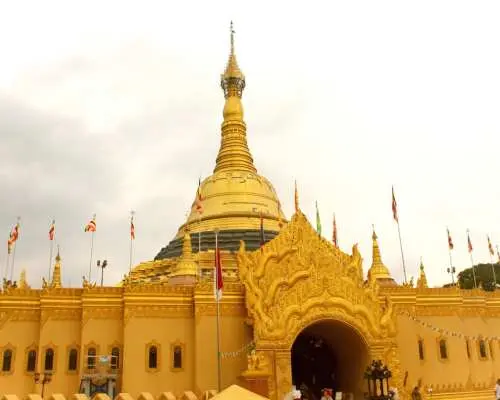
Experience the Karo Highlands on a private tour from Medan. Enjoy Brastagi's lively fruit market, explore Lumbini Natural Park's majestic pagoda, and capture stunning Lake Toba views. Witness the beauty of Sipiso-Piso Waterfall and immerse yourself in Batak culture at Dokan Village. This tour includes private transport and expert guides for a hassle-free adventure.
Discover the tranquility of Lumbini Natural Park with its majestic pagoda


Take in a relaxing aerial view of the picturesque highlands


Marvel at the stunning vistas of Danau Toba, a vast volcanic lake


Witness the dramatic plunge of Sipiso-Piso Waterfall


Enjoy another breathtaking view of Danau Toba


Explore the cultural richness of a traditional Batak Village


Admire the mesmerizing aerial view of Lake Toba’s sparkling waters


Be amazed by Sipiso-Piso Waterfall from a unique perspective


Discover the vibrant customs of a Batak Village


Immerse yourself in the timeless charm of a traditional Batak Village

Important Info
Reminders
Please note that this tour/activity is not wheelchair accessible.
This tour/activity is not recommended for travelers with back problems / pregnant travelers / heart problems or other serious medical conditions.
Please bring hat and some cash.
Cancellation Policy
- Cancellations 2 day(s) (inclusive) before the selected date are allowed. Unused orders can be canceled for free
- Cancellation is not allowed between 0–1 days from the selected date. Orders cannot be canceled or modified, and refunds will not be granted.
- Due to time zone differences, the confirmed cancellation date is based on the supplier’s local time. Please allow 2–5 business days to process your cancellation request, after which the cancellation fee will be charged according to the product’s cancellation policy. Once the cancellation is confirmed, you will receive your refund within 14 working days.
FAQ
Lake Toba is renowned as the largest volcanic lake in the world and the largest lake in Southeast Asia. It fills the caldera of a supervolcano that experienced one of Earth's largest eruptions approximately 74,000 years ago, drastically influencing global climate. Its immense size, unique geological formation, and significant role in Batak culture contribute to its global appeal and scientific importance. The island of Samosir, located within the lake, is also a unique feature, adding to its distinctiveness.
Yes, swimming in Lake Toba's refreshing waters is a popular activity, especially around Samosir Island. Visitors can also enjoy boat tours across the lake to explore its various shores and Samosir Island. Other activities include hiking to scenic viewpoints for panoramic vistas, cycling around the island, visiting traditional Batak villages to experience local culture, and exploring local markets. The lake's calm environment is also ideal for relaxation and enjoying the natural beauty.
Lake Toba is considered a dormant supervolcano. While its last major eruption occurred approximately 74,000 years ago, there are ongoing signs of minor geothermal activity, such as hot springs, which are common in volcanic regions. The area is continuously monitored by volcanologists to detect any significant changes. Visitors can generally explore the region safely, but it's always advisable to stay informed about local geological updates from authorities.
The Lake Toba supervolcano last experienced a colossal eruption approximately 74,000 years ago, recognized as the largest explosive eruption on Earth in the last 25 million years. This event caused a volcanic winter and significantly impacted global climate. The lake itself was formed in the gigantic caldera created by the collapse of the magma chamber after this eruption. Over millennia, the caldera filled with water, forming the immense lake we see today, with Samosir Island later emerging due to subsequent uplift within the caldera.
Sipiso-Piso Waterfall is a spectacular natural attraction known for its dramatic 120-meter plunge, making it one of Indonesia's tallest waterfalls. Originating from an underground river that emerges from a cave, the water cascades powerfully into a gorge. Visitors can enjoy breathtaking panoramic views from several viewpoints overlooking the waterfall and the surrounding lush green landscape, with Lake Toba visibly stretching out in the background, creating a truly picturesque scene.
In the traditional Batak villages surrounding Lake Toba, visitors can immerse themselves in the rich culture of the Batak people. A key experience is seeing their distinctive traditional houses, known as Rumah Bolon, which are large, communal dwellings where multiple families historically lived together. These houses are characterized by their unique boat-shaped roofs and intricate carvings. Visitors can also observe traditional weaving, learn about local customs, and witness cultural performances, offering a deep insight into Batak heritage.
Brastagi Fruit Market is a vibrant hub offering a wide array of fresh, local produce, benefiting from the fertile volcanic soil of the Karo Highlands. Visitors can find an abundance of tropical fruits such as passion fruit, avocado, oranges, and the unique local "Markisa" (passion fruit). Beyond fruits, the market also features various local snacks, traditional medicines, and artisanal crafts, providing a genuine taste and feel of the region's agricultural richness and local craftsmanship.
Lake Toba is geologically defined by its origin as a colossal caldera lake, formed after the collapse of a supervolcano's magma chamber. This makes it a massive depression filled with water. It is the largest crater lake in Southeast Asia and one of the deepest and largest lakes globally. A distinctive feature is Samosir Island, located almost in the center of the lake. This island is actually a resurgent dome, an uplifted block of crust within the caldera, a remnant of the volcano's continued activity after the major eruption.
Get Help


