



Hokkaido, Sapporo | Hokkaido Museum WEB Ticket | Instant Booking Confirmation
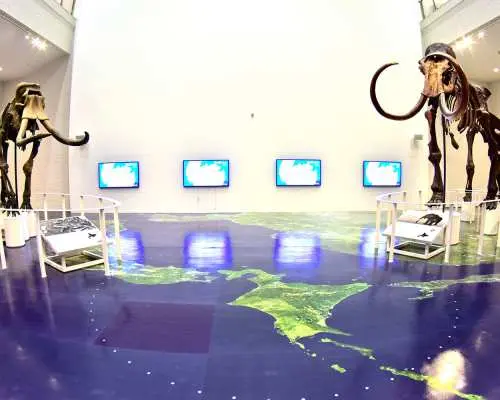
- A comprehensive Hokkaido museum that introduces the nature, history, and culture of Hokkaido.
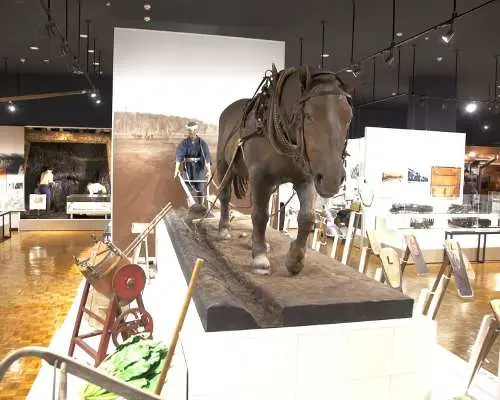
- You can learn more about the Ainu culture and the lives of immigrants from Honshu.
Attraction Tickets
| Ticket type | E-ticket (direct entry) |
| Exhibit type | Historical exhibits, Traditional culture exhibits |
| Tour types | None |
| Additional service & facility | Barrier free |
Product Info
The content of this product is provided by machine translation and may not reflect the actual information, please take this into consideration before booking.
A museum where you can think about Hokkaido's past, present, and future through its natural and historical heritage.

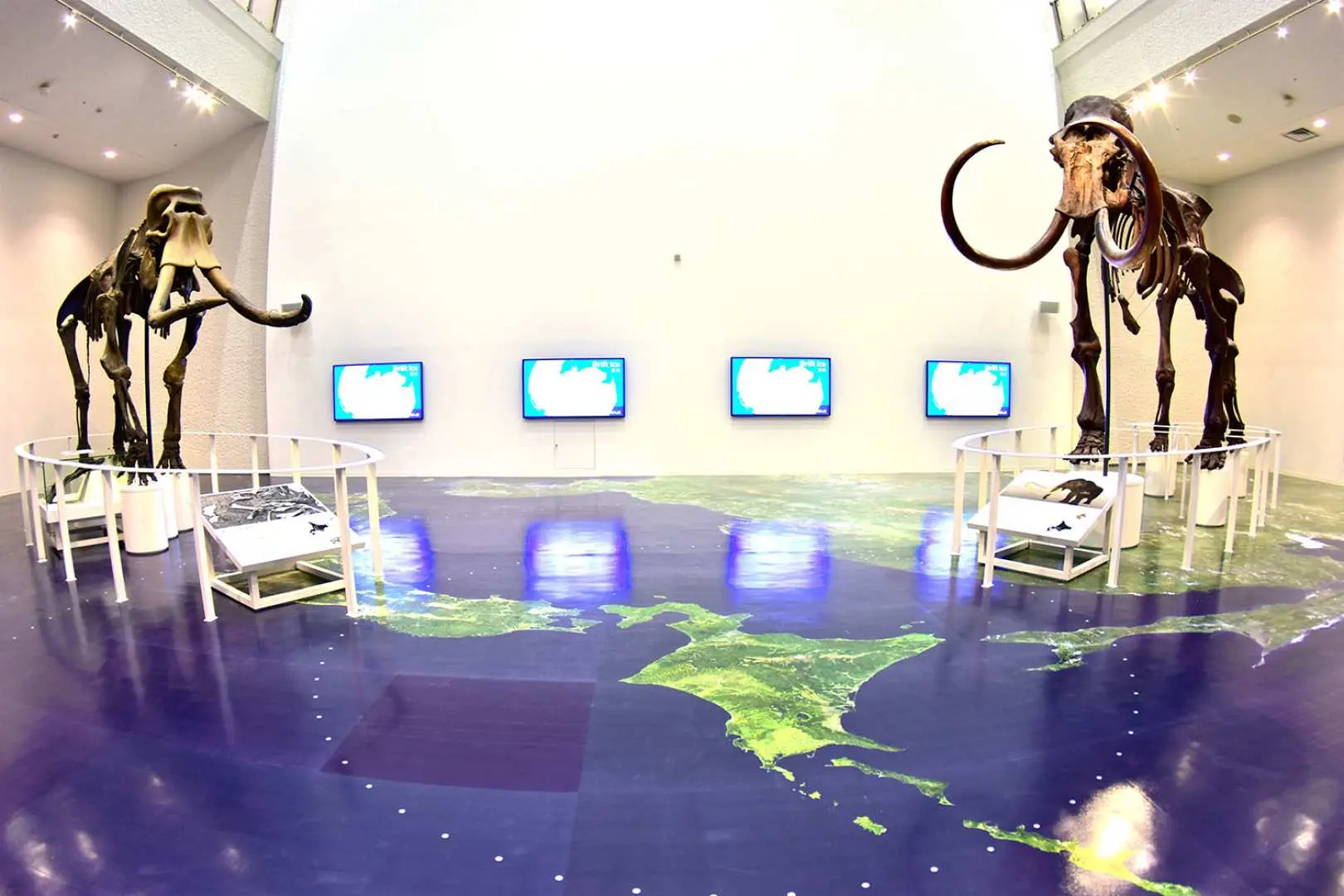
You can learn more about the relationship between the natural environment and people in Hokkaido, as well as their way of life.


If you use your smartphone, you can view explanations in multiple languages. There are also multilingual explanation display boards, so anyone can enjoy the exhibits.


Purchase Notice
- Special exhibitions incur additional fees.
- If you live in Hokkaido, you can get a discount. Please purchase your tickets on the day of the event at the venue.
- Free for junior high school students and younger, and those 65 and older. Please show proof of age (student handbook, health insurance card, driver's license, My Number card, etc.) when entering.
- Free for people with disabilities. Please show your disability certificate or disability certificate app when entering the facility. (One accompanying person may enter free of charge for each person with a disability certificate.)
- High school students are admitted free on Saturdays, Children's Day, and Culture Day.
Includes/Excludes
How to Redeem Your Voucher
How to Use Your Voucher
- Please present the e-voucher on-site
Experience Location
Location Name: Hokkaido Museum
Address: 〒004-0006 53-2 Onohoro, Atsubetsu-cho, Atsubetsu-ku, Sapporo, Hokkaido
- Opening hours (last entry: 30 minutes before closing)
May to September 9:30 to 17:00
October to April: 9:30 to 16:30 - Closed on Mondays (or the following weekday if the Monday is a public holiday or substitute holiday), New Year's holiday (December 29th to January 3rd), and other temporary closures.
Please check the homepage .

Cancellation Policy
- Once the order has been completed, it cannot be canceled, modified, or refunded
- Due to time zone differences, the confirmed cancellation date is based on the supplier’s local time. Please allow 2–5 business days to process your cancellation request, after which the cancellation fee will be charged according to the product’s cancellation policy. Once the cancellation is confirmed, you will receive your refund within 14 working days.
FAQ
The Hokkaido Museum comprehensively introduces the rich nature, diverse history, and unique culture of Hokkaido. Visitors can delve into exhibitions showcasing the region's distinctive natural environment, from its geology to its wildlife, and trace the historical development of Hokkaido. It highlights the profound connection between the local ecosystem and human life throughout various eras.
The Hokkaido Museum provides in-depth insights into the indigenous Ainu culture, which is one of its five core themes. Through various exhibits, visitors can learn about the Ainu people's traditional lifestyle, spiritual beliefs, intricate crafts, and their harmonious relationship with nature. The museum aims to foster a deeper understanding and appreciation of this unique heritage.
The Hokkaido Museum is designed to educate visitors on Hokkaido's distinctive features, covering its natural environment, historical events, and cultural evolution. It provides detailed explanations of the island's unique ecosystems, significant milestones in its development, and the blend of cultures that have shaped the region. The exhibits offer a profound look into what makes Hokkaido unique.
While the Hokkaido Museum covers the entire region, it also incorporates exhibits that shed light on Sapporo's development within the broader Hokkaido context. Visitors can learn about the city's growth, its architectural heritage, and how it became a major urban center. The museum's narrative connects Sapporo's evolution to Hokkaido's overall history and cultural landscape.
The Hokkaido Museum explores Sapporo's historical and cultural significance by contextualizing its development within Hokkaido's larger narrative. It showcases how Sapporo, as the regional capital, played a crucial role in the island's modernization and cultural exchanges. Exhibits highlight key historical periods and cultural movements that shaped the city into what it is today.
Yes, the Hokkaido Museum explicitly features exhibits dedicated to the lives of immigrants who came from Honshu. It explores their arduous journeys, their contributions to Hokkaido's development, and how their cultures integrated with or influenced the existing communities. This provides a detailed understanding of the diverse populations that shaped modern Hokkaido.
The Hokkaido Museum structures its exhibitions around five comprehensive themes to introduce the nature, history, and culture of Hokkaido. These themes guide visitors through a holistic exploration of the region, covering its natural environment, indigenous Ainu culture, the history of settlement and development, the diverse lives of its people, and Hokkaido's ongoing relationship with its environment.
Yes, the Hokkaido Museum is an excellent venue for understanding the origins and significance of Hokkaido's regional specialties. By exploring the natural environment, agricultural history, and cultural practices showcased in the museum, visitors can gain insight into how these elements contribute to the unique culinary and craft traditions specific to different areas of Hokkaido.
Get Help


