
![[Tohoku Japan] Summer Festival|Ginzan Hot Spring & Shinjo Festival & Safflower Dyeing & Zao Oikama|In-depth two-day experience tour (departing from Sendai)](https://image.kkday.com/v2/image/get/c_fill%2Ch_800%2Cq_55%2Ct_webp%2Cw_1240/s1.kkday.com/product_165369/20240322033205_5l4AZ/jpg)
![[Tohoku Japan] Summer Festival|Ginzan Hot Spring & Shinjo Festival & Safflower Dyeing & Zao Oikama|In-depth two-day experience tour (departing from Sendai)](https://image.kkday.com/v2/image/get/c_fill%2Ch_400%2Cq_55%2Ct_webp%2Cw_500/s1.kkday.com/product_165369/20240322033300_SBttR/jpg)
![[Tohoku Japan] Summer Festival|Ginzan Hot Spring & Shinjo Festival & Safflower Dyeing & Zao Oikama|In-depth two-day experience tour (departing from Sendai)](https://image.kkday.com/v2/image/get/c_fill%2Ch_400%2Cq_55%2Ct_webp%2Cw_500/s1.kkday.com/product_165369/20240322033300_rF3JN/jpg)
![[Tohoku Japan] Summer Festival|Ginzan Hot Spring & Shinjo Festival & Safflower Dyeing & Zao Oikama|In-depth two-day experience tour (departing from Sendai)](https://image.kkday.com/v2/image/get/c_fill%2Ch_400%2Cq_55%2Ct_webp%2Cw_500/s1.kkday.com/product_165369/20240322033300_taDtj/jpg)
![[Tohoku Japan] Summer Festival|Ginzan Hot Spring & Shinjo Festival & Safflower Dyeing & Zao Oikama|In-depth two-day experience tour (departing from Sendai)](https://image.kkday.com/v2/image/get/c_fill%2Ch_400%2Cq_55%2Ct_webp%2Cw_500/s1.kkday.com/product_165369/20240322033300_Ja4UW/jpg)
[Tohoku Japan] Summer Festival|Ginzan Hot Spring & Shinjo Festival & Safflower Dyeing & Zao Oikama|In-depth two-day experience tour (departing from Sendai)
- Attend the Japanese summer festival "Shinjo Festival"
- Enjoy Ginzan Hot Spring, Yamagata Prefecture's Safflower dyes and the beautiful scenery of Okama Crater of Zao
- Overnight stay at a hot spring hotel to experience onsen culture
- Professional Chinese-speaking tour guide & annual limited itinerary
Product Info
The content of this product is provided by machine translation and may not reflect the actual information, please take this into consideration before booking.
Many tourists who visit Japan want to experience various local festivals in Japan. This is an in-depth experience itinerary that allows you to blend in and enjoy yourself. Participating in the Shinjo Festival offers a high degree of freedom and experience, and you will also have the opportunity to taste special and limited snacks unique to Japanese festivals.
When visiting Yamagata, don’t miss the Ginzan Hot Spring and the beautiful scenery of Yamagata Prefecture’s prefectural flowers, as well as the Zao Okama Crater.
[Shinjo Festival] In 2016, the "Shinjo Festival Float Parade" was registered as a UNESCO Intangible Cultural Heritage as one of the 33 "Yamaboya Festival (Japanese Float Parade)" nationwide. It has a long history, dating back to the mid-Edo period more than 260 years ago. It is said that in 1756, the then feudal lord Masaki Tozawa prayed for a good harvest, and held a festival at Tenmangu Shrine, regarded as the Ujigami, in order to bring life and hope to the people who had been devastated by the previous year's poor harvest. The Shinjo Festival originated from this festival. It is held from August 24th to 26th every year. In the evening, local people pull more than 20 roller coasters and parade around the city while beating gongs and drums. Being in it and having a good time is a part of the summer scenery in Japan.
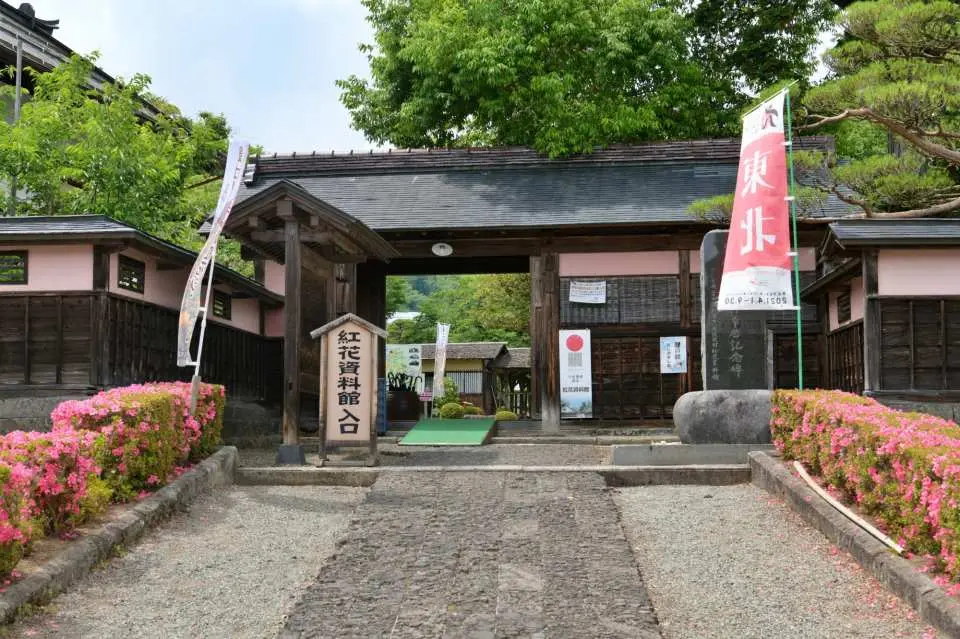
[Safflower dye] As the prefectural flower of Yamagata Prefecture, safflower not only played a role that cannot be ignored in the history of Yamagata Prefecture’s development, but is also a favorite plant of local people today. The most attractive feature of safflower is the bright red color extracted from the flowers. Only 1% of the red pigment can be extracted from each flower, which is extremely precious. The red cake (made by rolling and drying after removing the yellow pigment) is very expensive. It is said that it is 100 times more expensive than rice and 10 times more expensive than gold. times, bringing huge wealth to the wealthy merchants and rich peasants of that year. Dying cloth a deep red was so expensive that ordinary people were banned from using it on their clothing. In modern times, although chemical fuels have become the main method of weaving and dyeing, the local people of Yamagata are tasked with inheriting this traditional craft and still retain the traditional craft of safflower dyeing. Being able to experience this traditional craft in person is a worthwhile trip.
[Ginzan Hot Spring] is a hot spring town located in the mountain area of Yamagata Prefecture, Northeastern Japan. This small street surrounded by mountains prospered as a silver mining site in the 17th century, hence the name Ginzan Hot Spring. Ginzan Hot Spring retains the wooden bungalows from the Taisho to the early Showa era, the retro streetscape and the snowy winter scenery, full of romantic atmosphere. Ginzan Hot Spring is also the stage of the Japanese TV series "Oshin" which is popular all over the world. It is also said that the hot spring bathhouse in the Japanese animation "The Hidden Girl" was inspired by this place. The retro romantic atmosphere of numerous hot spring hotels and the beautiful snow scenery attract travelers from all over the place every year.
[Zao Okama] is located in Miyagi Prefecture. It is a volcanic lake at the junction of Zao Town and Kawasaki Town. It has an altitude of about 1,670 meters, an area of about 1 kilometer, and a water depth of about 30 meters. It is the area with the highest elevation in the center of the Zao Mountain Range. Zao Ougamo gets its name from the fact that it is surrounded by the three peaks of Mount Katada, Mount Kumano and Mount Goshiki, giving it the appearance of being in a pot. The mysterious lake "Zao Kama" in Sendai, Japan, is as sapphire green in color. When you stand among the volcanoes and look at the beautiful, vast and mysterious Zao Hot Pot, it is like a tear of gems left in the mountain. The color is slightly different due to different seasons, so it is also known as the five-color marsh!
[Semi Onsen Kansyokan] This is a long-established hot spring hotel with a strong Japanese flavor that retains the unique atmosphere of Japanese classical hot springs. It is located among the mountains and rivers. The surrounding mountains change scenery with the seasons, and they all look like pictures. Soaking in the hot spring and listening to the gurgling stream will make you feel naturally soothed and wonderful.
Shinjo Festival 2024

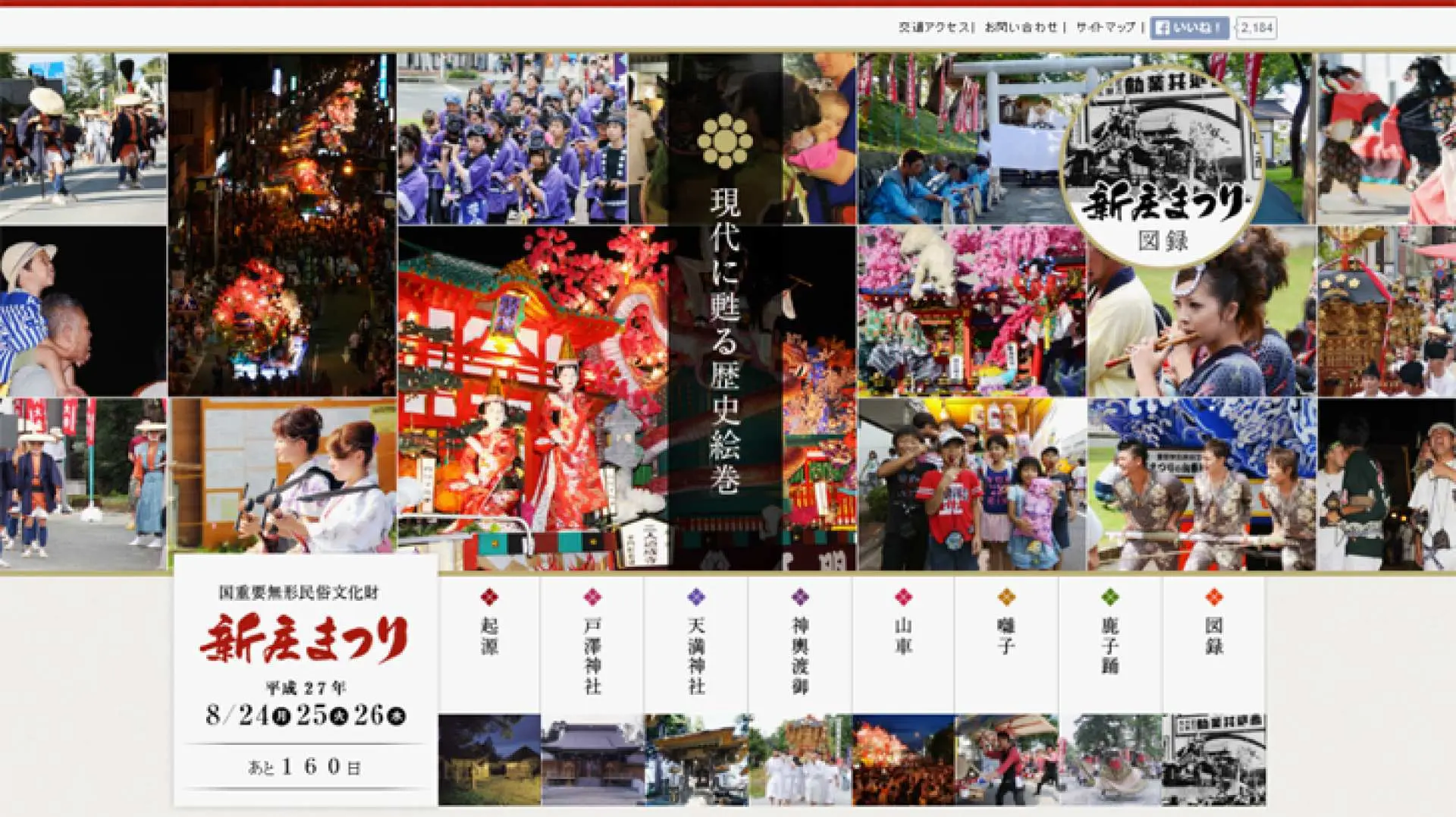
Shinjo Festival


Shinjo Festival


Shinjo Festival


Safflower Museum

Purchase Notice
【Travel Conditions】
Travel starting point and destination: Miyagi Yamagata
Number of days of travel: one night and two days
Transportation: Chartered bus
Bus company name: Torotron Bus Co., Ltd. or Togarita Bus Co., Ltd. or Yabuki Transportation Co., Ltd.
Whether meals are included: 1 breakfast, 1 lunch, 0 dinner
Accommodation facilities: Yes (the basic room type is two people per room)
Minimum group size: 16 people
Team leader: 0
Tour guide: 1
【Travel planning/implementation】
Operating company name: (Yes) Torotron Technologies
Address: 〒980-0021 2-8-11 Premium Green Hills 3F M-LABEL ROOM027, Chuo 2-8-11, Aoba-ku, Sendai City, Miyagi Prefecture
License exemption number: Yamagata Governor Registration Travel Industry No. 2-200
Travel industry association name: National Travel Industry Association
Reminders
A minimum of 16 traveler(s) are required for the tour to depart. If the number of participants does not reach the minimum requirement, the tour will be canceled. An email regarding tour cancellation will be sent 15 day(s) before the departure date
In the event of inclement weather such as typhoons or snowstorms, a decision on whether to cancel the tour will be made 1 day(s) before departure (local time 18:00). Notifications will then be sent via email
Travelers with the following conditions or other health issues that could be worsened by excessive stimulation should not participate in this activity: High blood pressure, Heart disease, Acrophobia, Asthma, Epilepsy, Pregnant women
Please arrive at the designated location 10 minute(s) before the scheduled departure time, as the tour will depart on time
Children aged 6 and above can sign up for the trip.
The entire tour is in Chinese and only visitors who understand Chinese can participate.
Some hot spring hotels stipulate that guests with tattoos are not allowed to bathe in large public baths. Thank you for your understanding.
If you are seriously late and miss the bus departure time due to personal factors, it will be deemed that the guest has abandoned the trip on his own initiative, and no fees will be refunded.
Please note that the itinerary is subject to changes based on road traffic conditions and weather conditions on the day.
Cancellation Policy
- Cancellations 21 day(s) (inclusive) before the selected date are allowed. Unused orders can be canceled for free
- For cancellations made 8 to 20 days prior to selected date, a cancellation fee of 20% will apply
- For cancellations made 2 to 7 days prior to selected date, a cancellation fee of 30% will apply
- For cancellations made 1 to 1 days prior to selected date, a cancellation fee of 40% will apply
- Cancellation is not allowed between 0–0 days from the selected date. Orders cannot be canceled or modified, and refunds will not be granted.
- Due to time zone differences, the confirmed cancellation date is based on the supplier’s local time. Please allow 2–5 business days to process your cancellation request, after which the cancellation fee will be charged according to the product’s cancellation policy. Once the cancellation is confirmed, you will receive your refund within 14 working days.
Get Help


