




Private Tour | Ho Chi Minh Chinatown Hidden Gems: A Different Cho Lon in Saigon
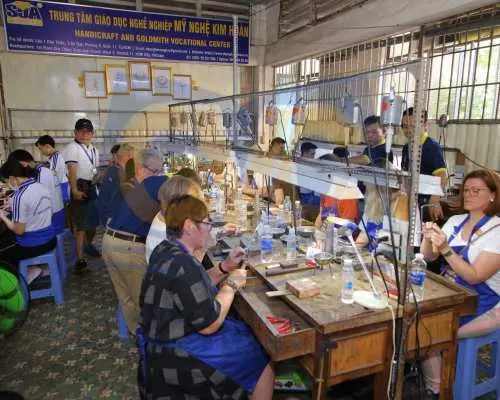
- Explore Thiec Market - a long - standing market specializing in selling gold and jewelry. Visit a traditional Chinese jewelry workshop in Cho Lon - ancient Saigon.
- Discover the mysteries at Khanh Van Nam Vien, the largest Chinese temple in Saigon.
- Experience, learn how to make and enjoy the famous Chinese dish – Dumpling at Ha Ton Quyen food street.
Product Info
Important Info
Reminders
The program can be changed accordingly but still ensures the attractions included in the tour.
In case of our cancellation due to natural disasters, epidemics/pandemics or delayed/canceled means of transportations (may include but not limited to ships, trains, airplanes, etc.), guest will receive a full refund (with no compensation)
Identification Card or Passport should be ready to present at any given time. Visitors who are Overseas Vietnamese, or International Guests porting Viet Nam by a separate visa, are required to present the visa when register and should be kept ready to present while traveling in case of need.
Visitors older than 70 years old, disabled visitors have to be accompanied by relatives and ensure that they have sustainable health during the trip.
Children under 14 years old when traveling are required to bring a Birth Certificate or Passport. Children aged 14 years and over must bring a separate Identification Card or Passport.
All Identification documents to bring must be the originals.
Visitors are advised to bring light luggage and must take care of their personal luggage, money, and belongings during the course of the tour.
Cancellation Policy
- Cancellations 16 day(s) (inclusive) before the selected date are allowed. Unused orders can be canceled for free
- For cancellations made 8 to 15 days prior to selected date, a cancellation fee of 50% will apply
- For cancellations made 2 to 7 days prior to selected date, a cancellation fee of 80% will apply
- Cancellation is not allowed between 0–1 days from the selected date. Orders cannot be canceled or modified, and refunds will not be granted.
- Due to time zone differences, the confirmed cancellation date is based on the supplier’s local time. Please allow 2–5 business days to process your cancellation request, after which the cancellation fee will be charged according to the product’s cancellation policy. Once the cancellation is confirmed, you will receive your refund within 14 working days.
FAQ
Cholon is a vibrant historic district in Ho Chi Minh City, characterized by its rich Chinese heritage. It features bustling traditional markets like Binh Tay, ancient pagodas, and a unique architectural style blending Chinese and Vietnamese influences. The area is known for its diverse culinary scene, offering authentic Chinese and Vietnamese dishes, making it a cultural and gastronomic hub.
Visitors to Cholon can immerse themselves in traditional Chinese culture by exploring historic temples like Thien Hau Pagoda and Khanh Van Nam Vien. You can wander through lively markets such as Thiec Market, known for gold and jewelry. The district offers opportunities to savor authentic Chinese cuisine, including a hands-on dumpling-making experience at Ha Ton Quyen food street, providing a genuine taste of local life and heritage.
Vietnamese is the official language in Cholon, but Cantonese and Mandarin are also widely spoken, especially among the older generation and in businesses. Many locals in tourist-frequented areas may have some English proficiency. For deeper interactions and navigating local nuances, having a local guide or using translation apps can greatly enhance the communication experience for visitors.
Yes, Cholon strongly preserves its Chinese cultural identity. This is evident in the numerous traditional temples and assembly halls, the distinctive architecture, and the continued use of Chinese languages. The community actively celebrates traditional festivals, maintains ancestral customs, and runs family businesses, offering visitors an authentic glimpse into its enduring heritage despite modern developments in Ho Chi Minh City.
Thiec Market is a historic and dynamic hub in Cholon, particularly renowned for its specialization in gold and jewelry. Visitors can explore a wide array of intricate gold products and precious stones, observe traditional Chinese jewelry-making workshops, and witness the bustling trade. It offers a unique insight into the craftsmanship and commercial traditions of the Chinese community in Saigon.
Khanh Van Nam Vien is recognized as the largest Taoist temple in Saigon and holds immense cultural significance within Cholon's Chinese community. It serves as a spiritual center for worship, a place for community gatherings, and a repository of rich architectural and artistic heritage. The temple embodies the resilience and deep-rooted spiritual traditions of the Chinese diaspora in Ho Chi Minh City.
Ha Ton Quyen food street in Cholon offers a delightful culinary journey focused on traditional Chinese delicacies. A standout experience is learning to make and then enjoying authentic Chinese dumplings. This hands-on activity provides insight into the preparation of a beloved dish, allowing visitors to engage directly with local food culture and savor fresh, homemade flavors.
To truly uncover Cholon's hidden gems, visitors should venture beyond the main thoroughfares. Exploring lesser-known alleys reveals traditional family businesses, ornate pagodas tucked away, and local eateries. Engaging with a knowledgeable local guide can also provide invaluable insights into the district's history, authentic stories, and unique cultural aspects, offering a more intimate and profound experience.
Get Help


