


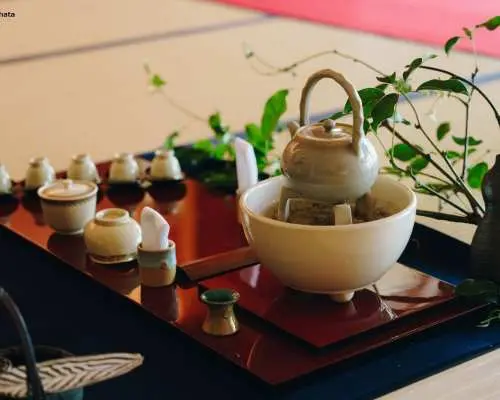
Japanese Kimono Dance and Tea Ceremony in Kagoshima
There is an external corridor facing the garden, the low dining table
placed in the tatami room, and the Buddhist altar that reflects the
Japanese reverence for their ancestors, all contribute to the retro
atmosphere of good old Japan.
Free-range chickens roam the garden while colorful goldfish swim in a small pond. Inside,
four cats and two dogs can be seen relaxing, making for a peaceful experience for visitors.
Package Options
Product Info
Purchase Notice
This activity takes place about 40 minutes from central Kagoshima by taxi. Please check the map before you book !!!
There are cats, dogs, birds, and other animals at the venue. Please be aware in advance.
Includes/Excludes
Reminders
Please let us know your requested time to join this activity (business hours : 13.00 ~ 15.00)
If you would like to join at other times above, please contact us.
Please come to the location at least 10 minutes before your reservation time
How to Redeem Your Voucher
How to Use Your Voucher
- Please present the e-voucher on-site
Experience Location
Location Name: Sumiyoshi Shachu
Address: 1169 Osato, Ichikikushikino City, Kagoshima PrefectureMonday 13:00–15:00 (Last Entry Time: 14:00)
Tuesday 13:00–15:00 (Last Entry Time: 14:00)
Wednesday 13:00–15:00 (Last Entry Time: 14:00)
Thursday 13:00–15:00 (Last Entry Time: 14:00)
Friday 13:00–15:00 (Last Entry Time: 14:00)
Saturday 13:00–15:00 (Last Entry Time: 14:00)
Sunday 13:00–15:00 (Last Entry Time: 14:00)
Cancellation Policy
- Cancellations 3 day(s) (inclusive) before the selected date are allowed. Unused orders can be canceled for free
- For cancellations made 2 to 2 days prior to selected date, a cancellation fee of 50% will apply
- For cancellations made 1 to 1 days prior to selected date, a cancellation fee of 80% will apply
- Cancellation is not allowed between 0–0 days from the selected date. Orders cannot be canceled or modified, and refunds will not be granted.
- Due to time zone differences, the confirmed cancellation date is based on the supplier’s local time. Please allow 2–5 business days to process your cancellation request, after which the cancellation fee will be charged according to the product’s cancellation policy. Once the cancellation is confirmed, you will receive your refund within 14 working days.
FAQ
The Kagoshima Japanese tea ceremony offers a unique blend of tradition and local flavor. Unlike some regions focusing solely on matcha, this experience features a "Sencha Tea Ceremony" in a historic 170-year-old Japanese house. The addition of an "Ozashiki Japanese Dance" further enriches the cultural immersion, providing a luxurious and intimate moment for a small group. This combination allows guests to appreciate both the elegance of tea and the grace of traditional dance in a serene, retro atmosphere.
When attending the Japanese tea ceremony in Kagoshima, it is generally recommended to avoid overly casual clothing like t-shirts, shorts, or revealing outfits. Refrain from wearing strong perfumes, as they can interfere with the appreciation of the tea's subtle aromas. Also, loud accessories or clothing that restricts movement, especially if sitting on tatami mats, should be avoided. The overall aim is to wear respectful, clean, and comfortable attire that allows for a serene experience.
Yes, Kagoshima is indeed recognized for its vibrant local tea culture and is a significant tea-producing region in Japan. While other regions are famous for matcha, Kagoshima is particularly renowned for its high-quality Sencha tea. The prefecture's warm climate and volcanic soil contribute to its unique tea flavors. This specific experience features a "Sencha Tea Ceremony," offering guests insight into Kagoshima's distinct and rich tea traditions.
The Japanese tea ceremony experience in Kagoshima typically begins with a warm welcome in a traditional 170-year-old Japanese house. Guests are then invited to participate in a "Sencha Tea Ceremony," where they can observe and appreciate the art of tea preparation and enjoy carefully brewed tea. This is followed by an "Ozashiki Japanese Dance," offering a graceful cultural performance. The experience often concludes with opportunities for commemorative photos with the performers, providing a memorable cultural immersion.
During the Japanese tea ceremony in Kagoshima, guests should observe a few essential etiquette points to show respect. Upon entering the traditional house, remove your shoes. When seated on tatami, it is customary to sit in seiza or cross-legged if seiza is difficult. Appreciate the tea and sweets offered, and hold your teacup with both hands. Remember to bow lightly when greeting and thanking the host or performers, and handle any tea utensils with care and reverence.
For the Japanese tea ceremony and dance experience in Kagoshima, the "Ozashiki Japanese Dance" portion features performers adorned in traditional kimonos, enhancing the authentic cultural atmosphere. While guests are not typically required to wear kimonos for this specific ceremony, the experience focuses on observing and appreciating the art forms presented within a traditional Japanese setting, where kimonos play a central visual role in the performance.
The Ozashiki Japanese Dance significantly complements the tea ceremony experience in Kagoshima by adding another rich layer of traditional Japanese culture and entertainment. While the tea ceremony focuses on tranquility and appreciation of tea, the Ozashiki dance provides a vibrant, artistic performance, often involving elegant movements and storytelling. This combination offers a more comprehensive cultural immersion, allowing guests to witness two distinct yet harmonious traditional art forms in one luxurious and intimate setting within a historic Japanese house.
Guests visiting the 170-year-old traditional Japanese house in Kagoshima can expect a deeply peaceful and retro atmosphere, evoking the charm of old Japan. The house offers a glimpse into traditional Japanese lifestyle with an external corridor facing a serene garden, a low dining table in the tatami room, and a Buddhist altar reflecting ancestral reverence. The presence of free-range chickens, colorful goldfish, and even resident cats and dogs creates a truly tranquil and immersive setting for the tea ceremony and dance.
Get Help


