
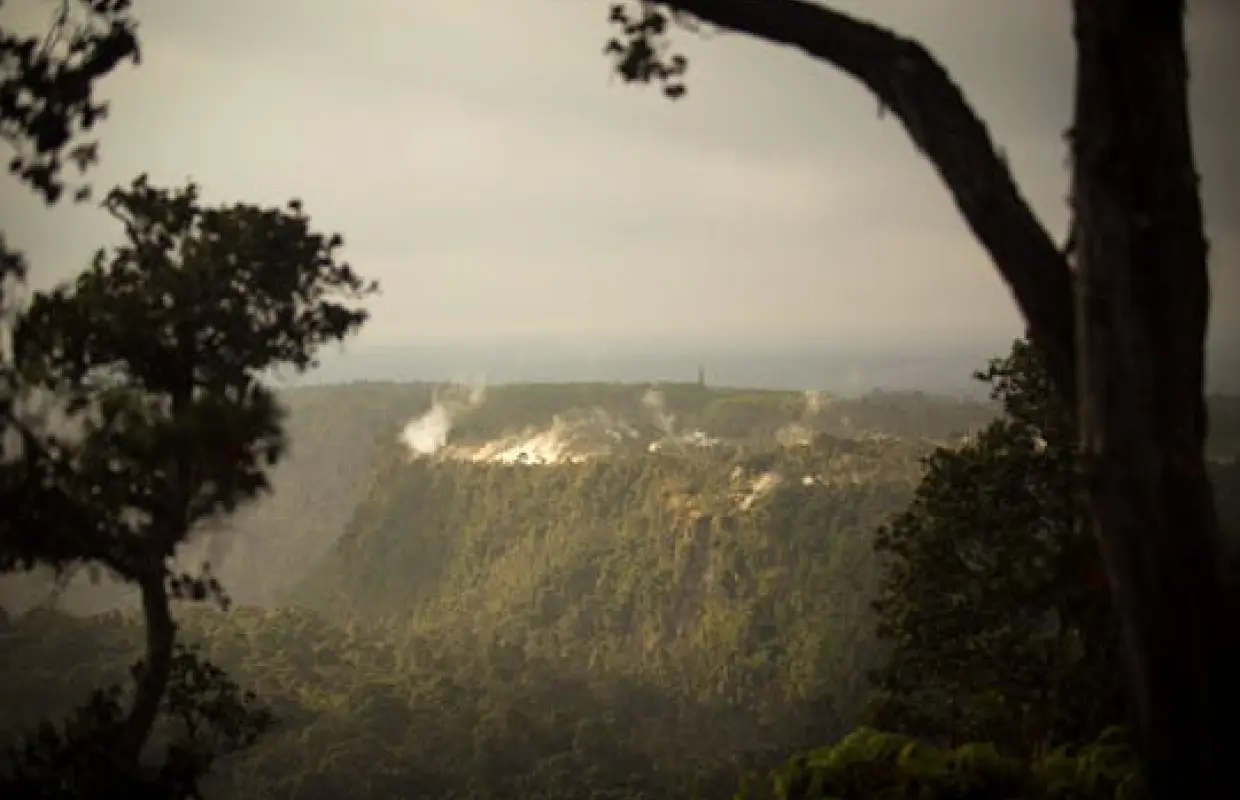


Big Island of Hawaii Volcano National Park tour from Waikoloa or Kohala
- Discover Hawaii Island's volcanoes in this tour from Waikoloa or Kohala. Taste Kona coffee and stroll along one of the best black sand beaches on the island.
Package Options


Product Info
Purchase Notice
Reminders
Please refer to your voucher for final information regarding meeting points, pick-up locations, and pick-up time
Meeting point description: Pickup schedule will depend on the location of your accommodation in Waikoloa or Kohala. The local tour operator will contact you prior to the tour to arrange your pickup time. Please indicate your phone number at checkout.
Pickup schedule will depend on the location of your accommodation in Waikoloa or Kohala. The local tour operator will contact you prior to the tour to arrange your pickup time. Please indicate your phone number at checkout
You can choose between a shared tour or a private tour (from 1 to 10 people) according to your preferences
People of all ages can participate in this tour
This tour is not wheelchair accessible
Wear closed-toed shoes and bring a light jacket. Some sights are weather dependent
FAQ
1. What type of volcano is Kilauea, and what makes it unique within Hawaii Volcanoes National Park?
Kilauea is classified as a shield volcano, characterized by its broad, gently sloping sides formed by highly fluid lava flows. It is one of the most active volcanoes on Earth, known for its effusive (non-explosive) eruptions. Within Hawaii Volcanoes National Park, Kilauea's uniqueness lies in its continuous, accessible activity over decades and its impressive caldera, which frequently features a lava lake, offering unparalleled geological observation.
2. What are the primary attractions and natural features to see within Hawaii Volcanoes National Park?
Hawaii Volcanoes National Park offers several primary attractions and natural features. These include the vast Kīlauea caldera, home to the Halemaʻumaʻu Crater, which is often a site of volcanic activity. Visitors can explore portions of Crater Rim Drive and Chain of Craters Road, leading to dramatic lava flows, sea arches, and scenic coastal views. The Nāhuku (Thurston Lava Tube) offers a unique underground experience, showcasing ancient lava formations within a lush rainforest setting.
3. On which Hawaiian island is Hawaii Volcanoes National Park located?
Hawaii Volcanoes National Park is located on the island of Hawaiʻi, commonly known as the Big Island. As the largest of the Hawaiian islands, the Big Island is home to two of the world's most active volcanoes, Kilauea and Mauna Loa, both contained within the boundaries of this expansive national park.
4. What is the historical and ecological significance of Hawaii Volcanoes National Park?
Hawaii Volcanoes National Park holds profound historical and ecological significance. Historically, it is considered a sacred landscape by Native Hawaiians, who revere it as the home of Pele, the goddess of fire and volcanoes. Ecologically, it is a UNESCO World Heritage Site and an International Biosphere Reserve, protecting diverse ecosystems ranging from lush rainforests to stark volcanic deserts. The park offers a living laboratory for studying ongoing geological processes, active volcanism, and the colonization of new land by unique flora and fauna, including many endangered species endemic to Hawaii.
5. What should visitors know about visiting the black sand beaches, such as Punaluʻu Beach, during the tour?
When visiting black sand beaches like Punaluʻu Beach during your tour, it's important to know they are formed from fragmented volcanic basalt lava. The sand can become quite hot under the sun, so wearing sturdy footwear is recommended. These beaches are often nesting grounds for endangered Hawaiian Green Sea Turtles (honu), so always maintain a respectful distance and never disturb them. It's prohibited to remove any sand, rocks, or other natural materials from the beach to preserve its natural beauty and ecological balance. Swimming conditions can vary, so always observe warning signs.
6. What kind of experience can be expected when tasting Kona coffee during the Hawaii Volcanoes National Park tour?
During your Hawaii Volcanoes National Park tour, if it includes a Kona coffee tasting, you can expect a rich sensory and educational experience. Typically, this involves visiting a local Kona coffee farm to learn about the entire process, from cultivation and harvesting to roasting. You'll have the opportunity to sample various roasts, understanding the distinct flavor profiles that make Kona coffee famous. This experience often takes place amidst the picturesque landscapes of the Kona coffee belt, offering beautiful views and insights into Hawaiian agricultural traditions.
7. What essential items or clothing should visitors bring for a tour of Hawaii Volcanoes National Park?
For a tour of Hawaii Volcanoes National Park, it's essential to bring layered clothing as weather conditions can change rapidly from the coast to higher elevations. A rain jacket or poncho is highly recommended due to frequent rain showers. Wear sturdy, closed-toe walking shoes suitable for uneven terrain. Other important items include a reusable water bottle, sunscreen, a hat, sunglasses, and a camera. If your tour extends into the evening, consider bringing a flashlight for viewing potential lava glows in the dark.
8. What is the recommended way to book a tour to Hawaii Volcanoes National Park, starting from Waikoloa or Kohala?
The recommended way to book a tour to Hawaii Volcanoes National Park, especially with pickups from Waikoloa or Kohala, is through reputable online travel platforms. You can conveniently book your tour through KKday. KKday offers a curated selection of tours that often include round-trip transportation from these resort areas, ensuring a hassle-free experience with reliable service and pre-arranged itineraries for exploring the park's highlights and other Big Island attractions.


