


Kyoto | Matcha + Wasanbon dried sweets + Nerikiri Japanese sweets making experience English guide available | Japanese culture experience Anan Kyoto
POINT2 When making nerikiri Japanese sweets, we use anko from a long-established anko shop in Kyoto.
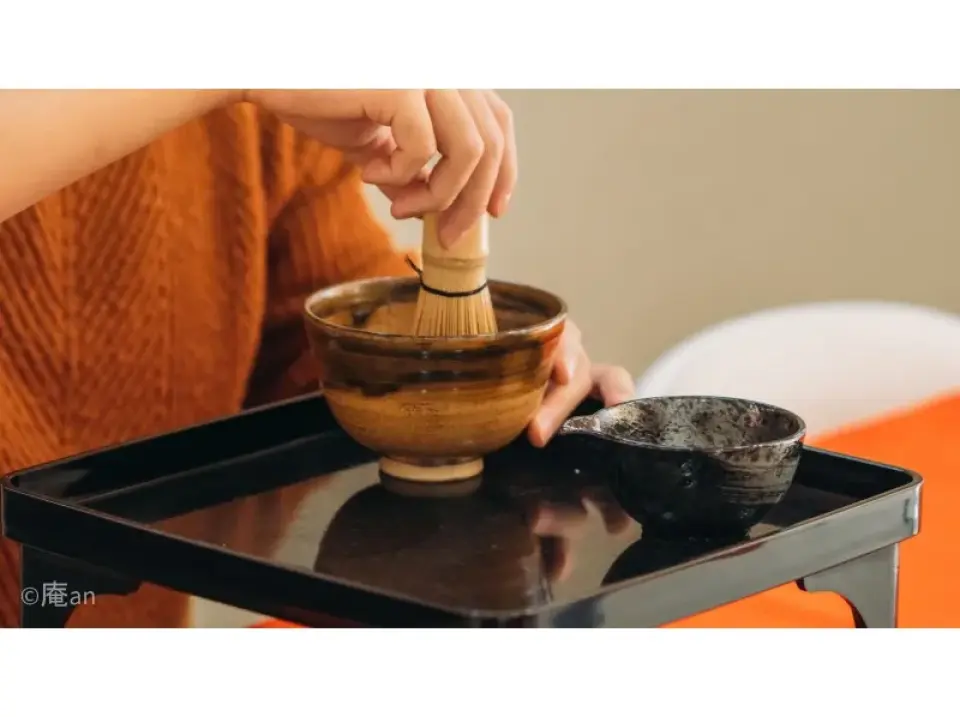
POINT3: We use special single-origin matcha.
Package Options
Cultural Experiences
| Location | Indoor |
| Cuisine type | Wagashi (Japanese sweets) |
| Cultural experience type | Traditional culture experience |
Product Info
What You Can Expect
1 Day
- The hands-on tea ceremony experience, Nerikiri Japanese confectionery making experience, and Wasanbon mold making experience are all original programs of our company.
- In the higashi-making class, you will make higashi sweets made from 100% wasanbon.
- Explanation of Japanese sweets
- Making dried sweets
- Making flower-shaped kinton nerikiri
- Hikicha demonstration/Otemae experience
- photo shoot
- Time to eat and drink after the experience



Important Info
Includes/Excludes
Reminders
Depending on the reception time and number of people, the tour may not be possible.
Reception hours are 10:00-17:00. Applications received after that will be processed the next day.
There are stairs to the venue. Please note that this building does not have an elevator.
Due to the nature of the program, we will not be able to hold the event to accommodate delays. You can enter midway, but if you are late for more than 10 minutes, your reservation may be cancelled.
As a general rule, food and drinks are not allowed to be brought in.
Please contact us if you would like to rent it out.
Those who do not want to try it out will not be able to enter.
Children who sit on their guardians' laps will be free of charge (only for children under 2 years old).
If you drop the bean paste during the experience, you can purchase a new one for an additional 100 yen. (Applicable to those who are participating in the experience using bean paste)
If you change the date and time of your reservation after the cancellation fee has been incurred, we will charge you the specified fee.
We strictly prohibit the taking, repurposing, and monopolizing of images and videos for commercial purposes. If you wish to use them for commercial purposes, please apply for coverage and use in advance.
How to Redeem Your Voucher
How to Use Your Voucher
- Please present the e-voucher on-site
Experience Location
Location Name: AN KYOTO Japanese Culture Experience
Address: Japan, 〒600-8104, Japan Berg Karasuma 2nd Floor, 135 Manjuji-cho, Shimogyo-ku, Kyoto City, Kyoto PrefectureCancellation Policy
- Cancellations 1 day(s) (inclusive) before the selected date are allowed. Unused orders can be canceled for free
- Cancellation is not allowed between 0–0 days from the selected date. Orders cannot be canceled or modified, and refunds will not be granted.
- Due to time zone differences, the confirmed cancellation date is based on the supplier’s local time. Please allow 2–5 business days to process your cancellation request, after which the cancellation fee will be charged according to the product’s cancellation policy. Once the cancellation is confirmed, you will receive your refund within 14 working days.
FAQ
The Anan Kyoto cultural experience center is conveniently located in Karasuma-Gojo, Kyoto. You can take the Karasuma Subway Line to Gojo Station. The center is typically a short walk from the station, making it easily accessible for visitors exploring Kyoto. Specific directions are usually provided upon booking.
The experience at Anan Kyoto is unique due to its commitment to authenticity and quality. Participants create 100% Wasanbon dried sweets, a premium sugar, and use anko from a long-established Kyoto shop for Nerikiri. Furthermore, special single-origin matcha is used, ensuring a high-quality, immersive cultural experience focused on traditional craftsmanship and exquisite ingredients.
During the Anan Kyoto cultural experience, participants learn to make two primary types of traditional Japanese sweets. These include elegant Wasanbon dried sweets, crafted using 100% Wasanbon sugar, and beautiful Nerikiri Japanese sweets, which are made with high-quality anko (red bean paste) sourced from a historic Kyoto shop.
Yes, an English guide is available for the Japanese sweets making class at Anan Kyoto. This ensures that international visitors can fully understand the instructions, learn about the cultural significance of the sweets, and engage deeply with the experience without any language barriers, making the session informative and enjoyable for everyone.
In the Wasanbon dried sweets making process at Anan Kyoto, participants use 100% Wasanbon sugar to create intricate designs, often utilizing original molds. For the Matcha experience, you will learn to prepare special single-origin matcha, allowing you to enjoy freshly made tea alongside your handcrafted sweets, deepening your understanding of Japanese tea ceremony culture.
You can easily book the Japanese sweets making experience at Anan Kyoto through KKday, which offers a convenient and secure booking platform. Booking through KKday allows you to secure your spot in advance and enjoy a seamless reservation process. The typical duration for this cultural activity is usually about 60 to 90 minutes, providing ample time to create and enjoy your sweets.
At Anan Kyoto, special attention is given to the quality of ingredients. The Wasanbon dried sweets are exclusively made with 100% Wasanbon sugar, known for its fine texture and delicate flavor. For the Nerikiri Japanese sweets, premium anko (red bean paste) from a renowned, long-established anko shop in Kyoto is utilized, ensuring authentic taste and quality.
Visitors to the Japanese sweets making class at Anan Kyoto can expect an authentic and hands-on cultural immersion. You will learn the intricate art of crafting traditional Wagashi, including Wasanbon dried sweets and Nerikiri, gaining insight into Japanese aesthetics and culinary traditions. The experience also involves preparing and enjoying special single-origin matcha, completing a holistic cultural journey.
Get Help


