


Kyoto Uji Cultural Heritage Day Tour | Arashiyama Bamboo Grove, Tenryuji Temple & Fushimi Inari Taisha | Depart from Osaka/Kyoto
Travel to Kyoto and Uji on this special day tour! Visit iconic sites such as Rokuon-ji, Arayashima, Tenryu-ji Temple, Fushimi Inari Taisha, and Byodoin Temple! Sample some matcha in Uji, the birthplace of the delicious drink! This is a tour that hits all the right notes and will leave you with memories of Kyoto that will last a lifetime!
- Visit four popular attractions
- Enjoy the services of a professional and reliable driver
- Convenient meetup location
- No additional charges, guaranteed
Product Info
What You Can Expect
1 Day
- 08:00Departing from Namba, Osaka
- 09:00Departing from Kyoto
- Please look for the yellow "ONTABI" flag at the meetup location
- 09:30Kinkakuji Temple (Rokuonji) (about 60 minutes)
- 11:30Arashiyama (about 120 minutes including lunch)
- Togetsukyo Bridge
- Tenryuji Temple
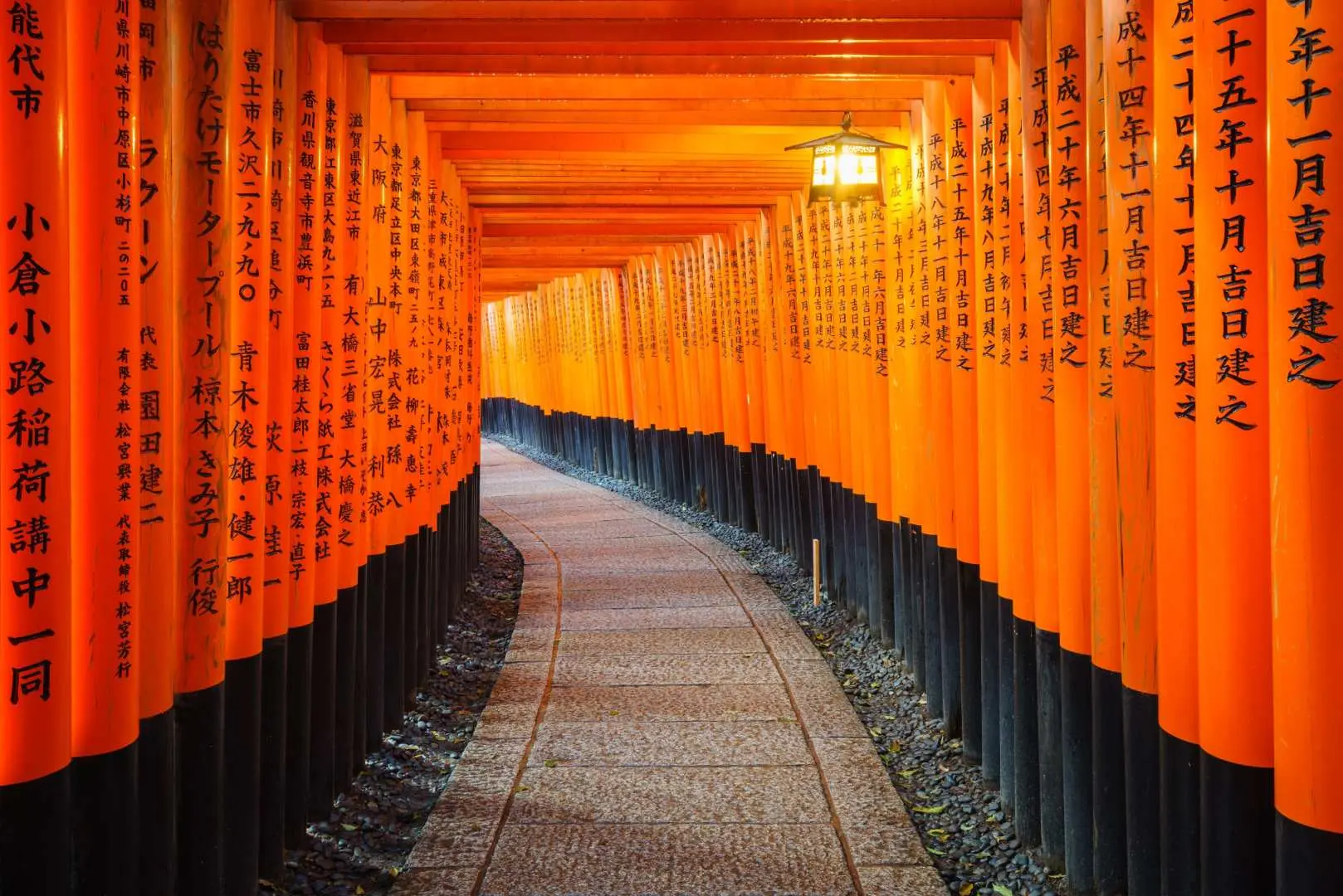
- 14:00Fushimi Inari Shrine (about 60 minutes)
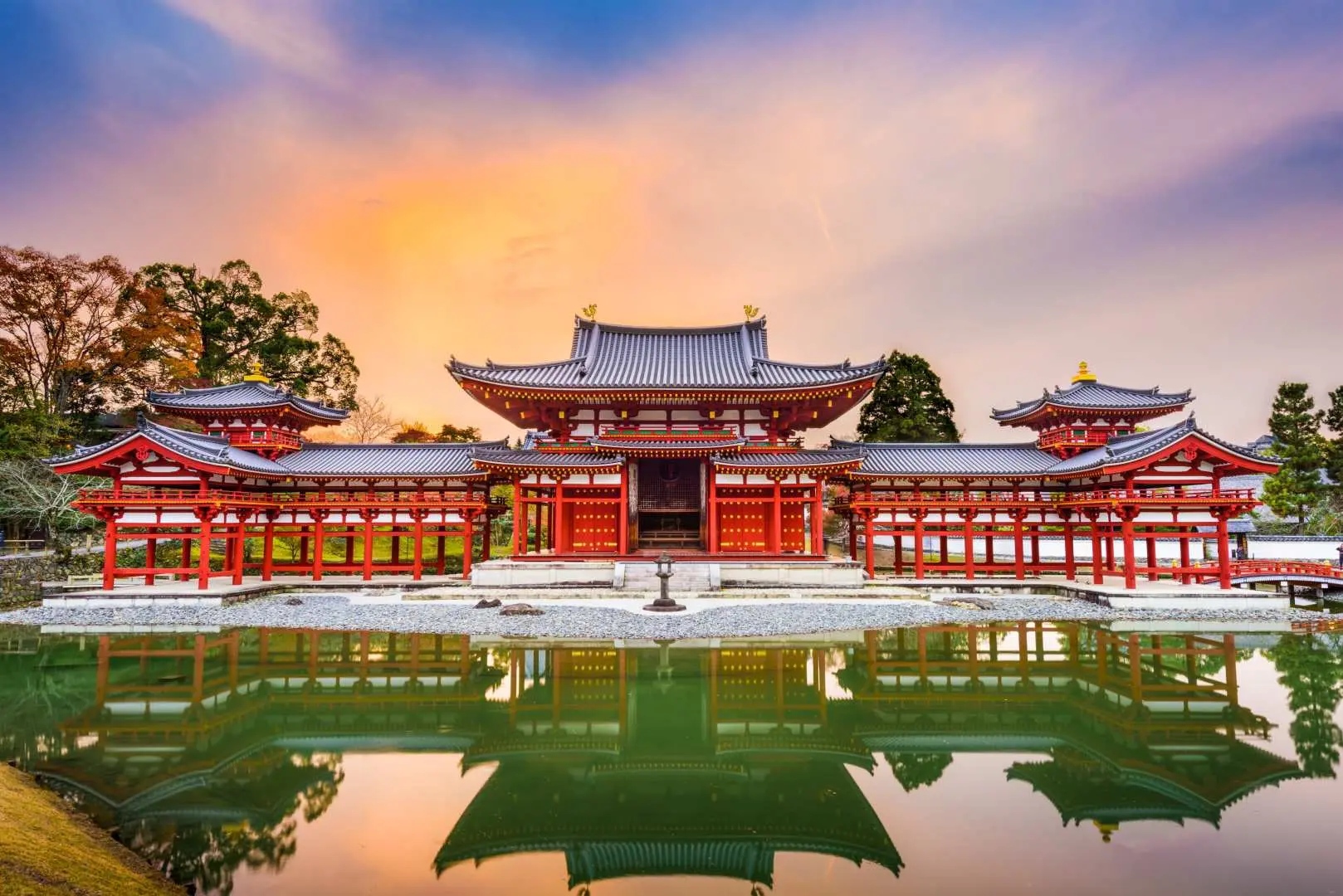
- 15:30Byodoin Temple (about 60 minutes)
- 17:00End of tour (drop-off) in Kyoto
- 18:00End of tour (drop-off) in Namba, Osaka



Purchase Notice
[Terms and Conditions]
- Place of departure and destination: Osaka and Kyoto
- Duration of trip: Day tour
- Transportation: Chartered bus
- Bus company: 株式会社ウインディ観光 Windy
- Meals: 0
- The name of the hotel, if any: N/A
- Minimum number of participants: 10
- Tour leader: 1
- Tour guide: 0
[Tour Operator]
- Name: 株式会社五稜トラベル Goryo Travel
- Address: 神奈川県横浜市西区みなとみらい2-2-1 横浜ランドマークタワー20F
- Yokohama Landmark Tower 20F 2-chōme-2-1 Minatomirai, Nishi Ward, Yokohama
- License registration number: 国内旅行事業 許可番号 平成31年4月12日 神奈川 第2-1141号
- General Passenger Vehicle Transportation Business (License No: Kanto No. 130)
- Travel Business (License No: Kanagawa, Type 2, No. 1141)
- Membership: 一般社団法人 全国旅行業協会(ANTA)会員 ANTA Member
Includes/Excludes
- Compulsory automobile liability insurance
- Travel industry liability insurance
- Transportation fare
- Attraction tickets
- Dining expenses
- Personal expenses
- Other expenses not mentioned above
Reminders
A minimum of 10 traveler(s) are required for the tour to depart. If the number of participants does not reach the minimum requirement, the tour will be canceled. An email regarding tour cancellation will be sent 3 day(s) before the departure date
In case of delays caused by traffic, weather, or other force majeure factors resulting in the cancellation of some itinerary attractions, please contact customer service. We will arrange a partial refund for you
In the event of inclement weather such as typhoons or snowstorms, a decision on whether to cancel the tour will be made 1 day(s) before departure (local time 14:00). Notifications will then be sent via email
Please arrive at the designated location 15 minute(s) before the scheduled departure time, as the tour will depart on time
In case of serious traffic congestion, the stay time or return time of each scenic spot may be adjusted. Thank you for your understanding
The featured attractions of the itinerary may be closed due to sudden maintenance. No refunds will be granted in this case. Thank you for your understanding
Each person is limited to 1 piece of carry-on luggage. Please store large suitcases in the hotel or in the lockers near the train station
How to Redeem Your Voucher
How to Use Your Voucher
- Please present the e-voucher on-site
Validity Period
- The voucher must be used on the selected date and within operating hours; Invalid after expiration
Meeting Point
Location Name: Kintetsu Namba Building (Sennichimae Street) 近鐵難波大樓(千日前通)
Address: 4 Chome-1-17 Nanba Chuo Ward, Osaka, 542-0076 Japan, 〒 542-0076 大阪府大阪市中央区難波4丁目1−17
Location Name: Kyoto Station Hachijyoguchi bus stop <In front of AVANTI>
Address: In front of Avanti, Kyoto-Hachijoguchi Bus Stop, 〒601-8003 Kyoto, Minami Ward, Higashikujo Nishisannocho / 京都駅八条口 貸切バス乗降場<アバンティ前>
Experience Location
Location Name: Golden Pavilion Temple
Address: 1 Kinkakujicho, Kita Ward, Kyoto, 603-8361 JapanCancellation Policy
- Cancellations 11 day(s) (inclusive) before the selected date are allowed. Unused orders can be canceled for free
- For cancellations made 8 to 10 days prior to selected date, a cancellation fee of 20% will apply
- For cancellations made 2 to 7 days prior to selected date, a cancellation fee of 30% will apply
- For cancellations made 1 to 1 days prior to selected date, a cancellation fee of 40% will apply
- Cancellation is not allowed between 0–0 days from the selected date. Orders cannot be canceled or modified, and refunds will not be granted.
- Due to time zone differences, the confirmed cancellation date is based on the supplier’s local time. Please allow 2–5 business days to process your cancellation request, after which the cancellation fee will be charged according to the product’s cancellation policy. Once the cancellation is confirmed, you will receive your refund within 14 working days.
FAQ
No, the main path through the Arashiyama Bamboo Grove itself is generally free to enter and walk through. However, some adjacent temples or attractions, such as Tenryu-ji Temple, which shares an entrance with the grove, do have separate admission fees. Visitors can enjoy the natural beauty of the bamboo forest without a ticket.
Walking through the main path of the Arashiyama Bamboo Grove typically takes about 30 to 60 minutes, depending on your pace and how often you stop for photos. To fully appreciate the serene atmosphere and explore nearby shops or smaller shrines, you might consider allocating a bit more time for a leisurely visit.
The Arashiyama Bamboo Grove is renowned for its towering bamboo stalks that create a unique, ethereal atmosphere, especially when light filters through. Visitors can enjoy strolling along the main pathway, listening to the distinctive rustling sound of the bamboo, and taking stunning photographs. The grove also connects to several temples, offering a peaceful escape.
The Arashiyama Bamboo Grove is open to the public 24 hours a day, seven days a week, making it accessible at any time. There are no specific opening or closing times for the main path. However, adjacent attractions like temples and shops within the Arashiyama area have their own distinct operating hours that visitors should check.
Tenryu-ji Temple is a UNESCO World Heritage site and the head temple of the Rinzai Zen sect. Its significance lies in its history as one of Kyoto's five great Zen temples and its exquisite Sogenchi Teien (Sogen Pond Garden), a masterpiece of Japanese landscape design that incorporates the surrounding Arashiyama scenery, showcasing traditional beauty and spiritual depth.
Tenryu-ji Temple is most famous for its stunning Sogenchi Teien garden, which features a large pond, meticulously arranged rocks, and borrowed scenery from the Arashiyama mountains. Other highlights include the temple's various halls, traditional architecture, and its historical connection to the Ashikaga shogunate, making it a pivotal site in Japanese Zen Buddhism.
Yes, Tenryu-ji Temple requires an admission fee to enter its main areas. This fee typically grants access to the beautiful Sogenchi Teien (Sogen Pond Garden), which is a major attraction. Separate fees may apply if you wish to enter the temple's main halls, such as the Hojo (Abbot's Quarters) or the Shoin (Guest House), providing different visiting experiences.
At Tenryu-ji Temple, admission to the Sogenchi Teien (Sogen Pond Garden) generally requires one fee. If visitors wish to enter the temple's interior buildings, such as the Hojo (Abbot's Quarters) and Shoin (Guest House), an additional, separate fee is typically required. It is common for temples in Japan to have different fee structures for garden versus interior access.
Get Help


