


Osaka Museum of Housing and Living Admission Ticket | Japan
Step back in time and immerse yourself in Osaka's rich history. Take a journey through the streets of Edo-era Osaka and the modern houses and lifestyle of the locals. Combine your love for history and architecture with this educational tour.
- Experience the past and the present through interactive models and materials, and discover the charm of Osaka's housing developments
- Go back in time and walk through the streets of Osaka during the Edo era
- See this weather-proof indoor attraction and spark your love for history and architecture
Attraction Tickets
| Ticket type | E-ticket (direct entry) |
| Exhibit type | Historical exhibits, Traditional culture exhibits |
| Attraction type | History & culture, Traditional house experience |
| Tour types | None |
Product Info
— What You Can Expect —
Come explore the rich history and culture of Osaka's housing and daily life at the unparalleled Osaka Museum of Housing and Living. As the first museum in Japan to specialize in this theme, transport back in time to the streets of Edo-era Osaka and discover the modern homes and lifestyles of the city through interactive models and exhibits.
Touch the past and experience the charm of Osaka's housing development. With a replica of an Edo-era townscape on the 9th floor and modern developments on the 8th floor, observe and be amazed by the city's evolution over time. And be sure to check out the special exhibitions and seasonal events held throughout the year for an even more enriching experience.
Marvel at the intricate details of a full-scale reproduction of the townhouses of Osaka during the Tenpo era (1830s)

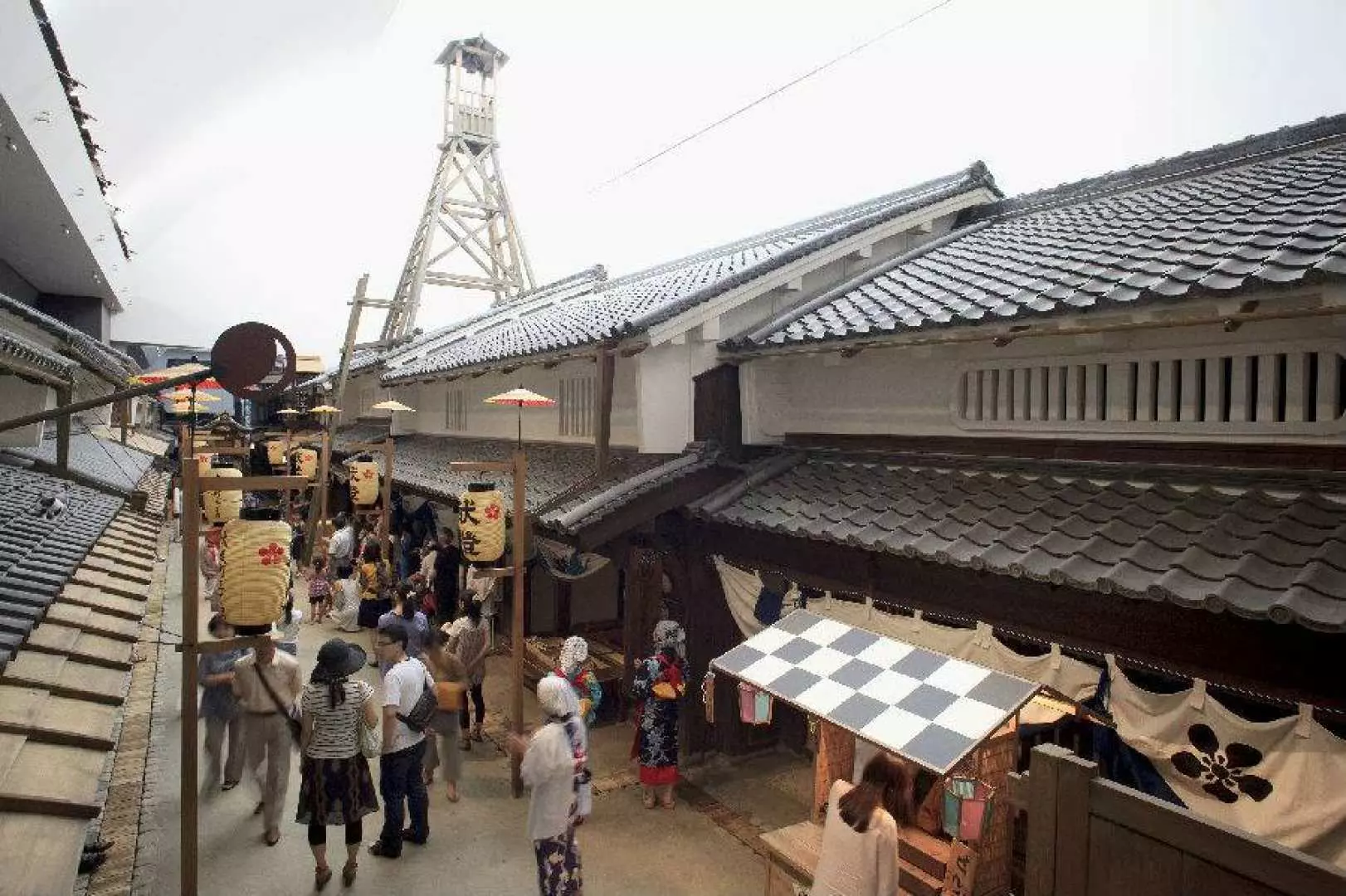
Get a glimpse into the fascinating evolution of Osaka's towns, houses, and lifestyles with the Modern Osaka Panorama Sightseeing Exhibition, showcasing the Meiji, Taisho, and Showa periods


Stroll down Machiya-dori, lined with charming shops selling traditional dolls and other treasures
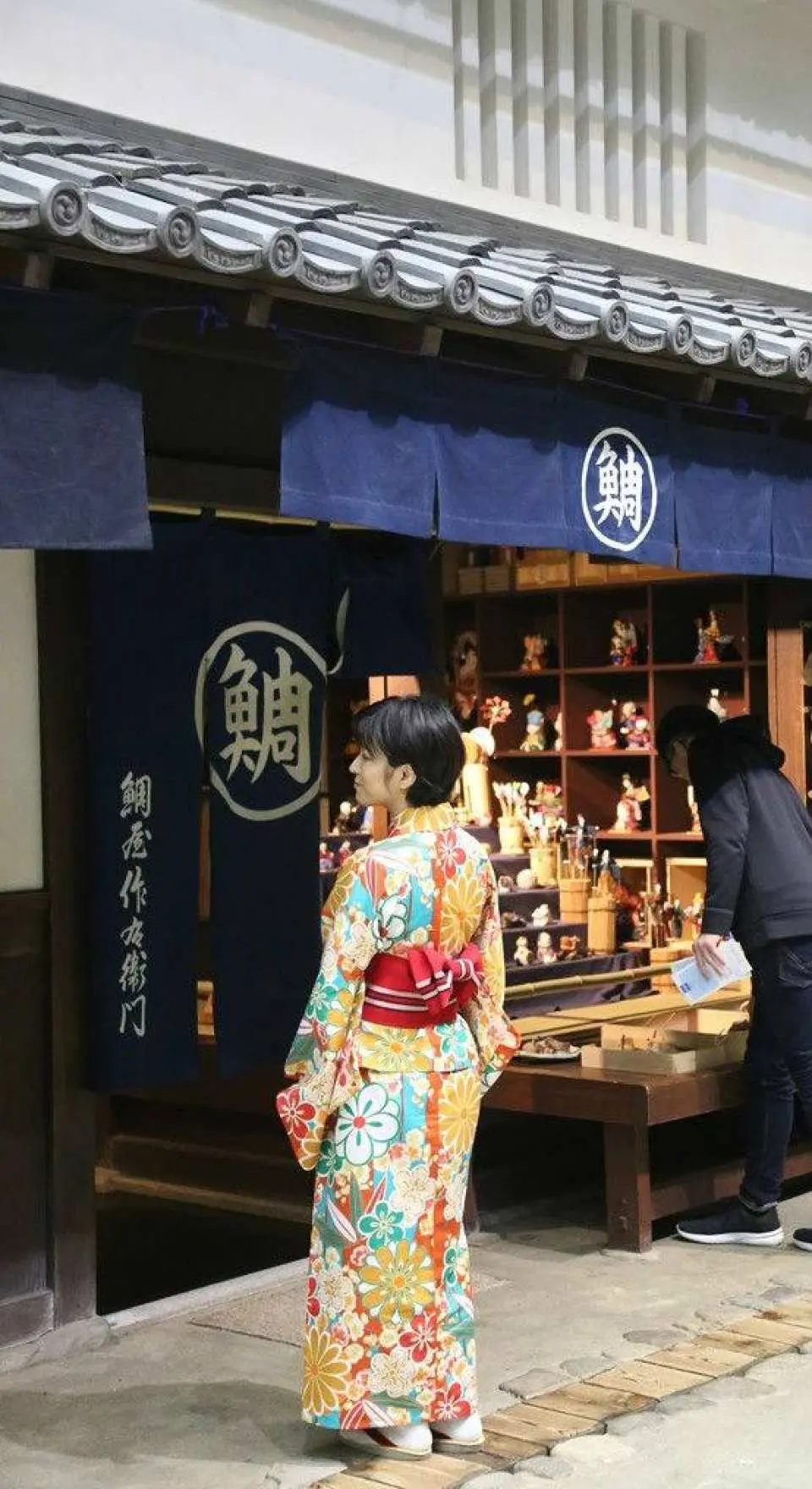

Experience the sights, sounds, and emotions of daily life in Osaka as you journey through time and discover the changes


Purchase Notice
- Re-entry is only allowed on the same day
- Smoking is strictly prohibited in the hall
Includes/Excludes
Reminders
If you wish to view the special exhibition, an additional fee of JP¥300 will be charged separately
To prevent the spread of infectious diseases, please wear a mask and disinfect your hands with alcohol
Oversized luggage, umbrellas, and selfie sticks are not allowed inside the hall and must be deposited in the coin lockers. Outside food and drinks are also not allowed, as there are vending machines within the hall
If the tour is canceled due to bad weather, we will not be able to reimburse any expenses related to transportation to the museum
Depending on the level of the crowd, there may be limitations to entry and access to certain areas of the museum
How to Redeem Your Voucher
How to Use Your Voucher
- Please present your QR code on-site
Voucher Redemption Period
- Valid for redemption within 90day(s) from the date of issue; Invalid after expiration
- The date you choose when purchasing the ticket on KKday does not have to be the same as your visit date as long as it is within the validity period
Experience Location
Location Name: Osaka Museum of Housing and Living
Address: Japan, 〒530-0041 Osaka, Kita Ward, Tenjinbashi, 6 Chome−4−20- Business hours: 10:00 am–5:00 pm (Last admission: 4:30 pm)
- Please note that the museum is closed every Tuesday unless it falls on a national holiday. It is also closed during the year-end and New Year holidays. Please check the schedule for any changes on closed days
Cancellation Policy
- Once the order has been completed, it cannot be canceled, modified, or refunded
- Due to time zone differences, the confirmed cancellation date is based on the supplier’s local time. Please allow 2–5 business days to process your cancellation request, after which the cancellation fee will be charged according to the product’s cancellation policy. Once the cancellation is confirmed, you will receive your refund within 14 working days.
FAQ
Yes, the Osaka Museum of Housing and Living offers a unique journey through Osaka's history, showcasing Edo-era streets and modern housing. It's an indoor, weather-proof attraction perfect for history and architecture enthusiasts, providing interactive models and a deep dive into local life, making it a valuable cultural experience.
Most visitors find that 1 to 2 hours is sufficient to explore the Osaka Museum of Housing and Living thoroughly. This allows ample time to wander through the recreated Edo-era streets, appreciate the interactive exhibits, and learn about Osaka's evolving housing culture at a comfortable pace.
The museum uniquely allows you to 'step back in time' by walking through a full-scale recreation of Edo-era Osaka streets, complete with traditional houses. It also features exhibits on modern Osaka housing, offering a comparative look at the city's architectural evolution and lifestyle changes through interactive displays.
The Osaka Museum of Housing and Living is conveniently located near Tenjinbashi-suji Rokuchōme Station (天神橋筋六丁目駅). You can reach it via the Osaka Metro Tanimachi Line (T23), Sakaisuji Line (K11), or the Hankyu Senri Line. The museum is directly accessible from exit 3 of this station.
The Osaka Museum of Housing and Living typically operates from 10:00 AM to 5:00 PM, with the last admission at 4:30 PM. It is usually closed on Tuesdays and certain national holidays. Visitors should check the official schedule prior to their visit for any specific closures or variations.
Visitors can explore a meticulously recreated Edo-era townscape, showcasing daily life and architecture from that period. The museum also features modern housing exhibits with interactive materials, illustrating the evolution of Osaka's homes and the lifestyles of its residents from historical times to the present day.
Yes, the full-scale recreation of Edo-era Osaka streets offers excellent photo opportunities. Visitors can capture the historical ambiance, traditional houses, and scenic street views. Many enjoy dressing in kimonos (often available for rent at the museum) to enhance their photos within this immersive setting.
Yes, the Osaka Museum of Housing and Living provides support for international visitors. Information panels and audio guides are typically available in several languages, including English, to ensure a comprehensive understanding of the exhibits and historical context for non-Japanese speakers.
Get Help


