


Full Day Kintamani Tour to Tegalalang Rice Terraces, Goa Gajah Temple and more | Bali
Get ready for a busy day exploring the best of Northern Bali! On this action-packed tour, go visit ancient temples and rolling rice terraces while learning about Balinese culture, arts and nature.
- Catch a performance of the Barong and Keris Dance at Batubulan Village
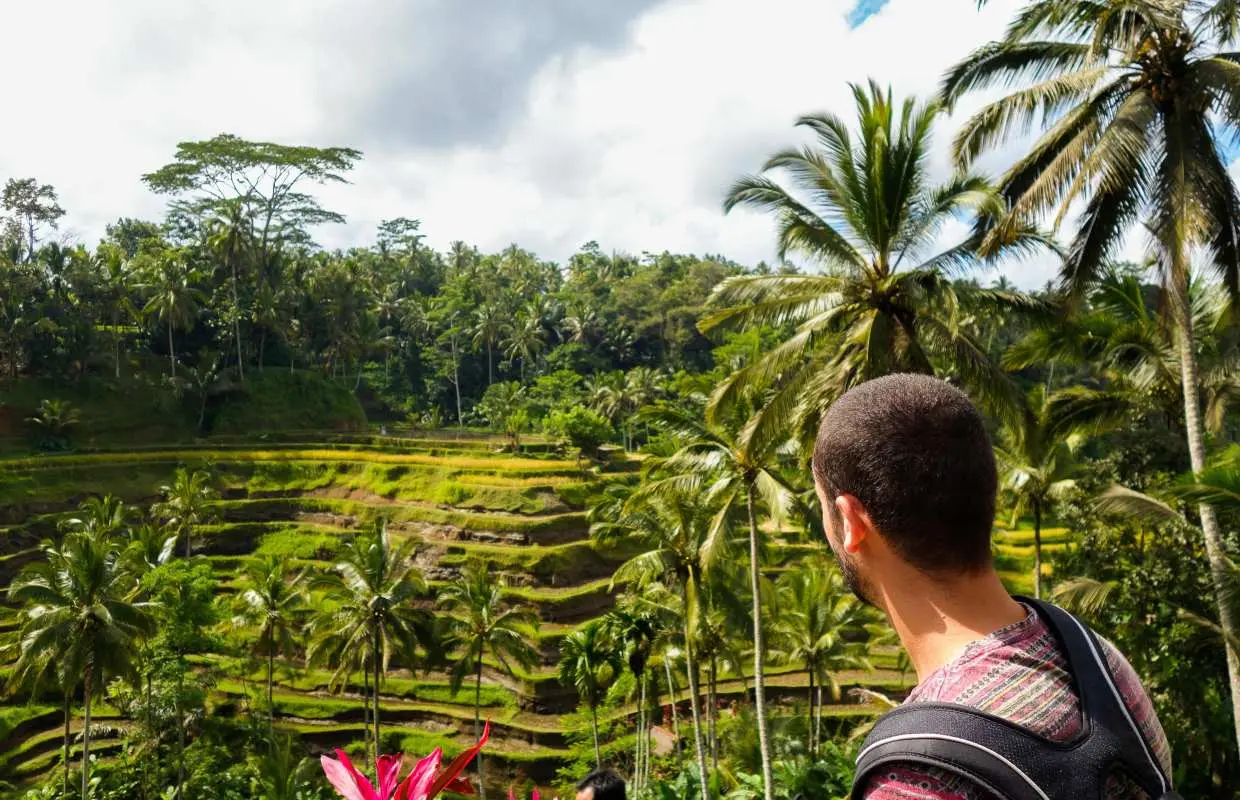
- Marvel at the green landscapes of the Tegalalang Rice Terraces and Kintamani Geopark
- Witness religious bathing rituals at Titra Empul Temple, a temple of purification
What You Can Expect
Not only will you see the breathtaking natural spots that Bali has to offer, you will also visit temples and art villages and learn about Bali's rich Hindu history


Visit Celuk Art Village and learn about traditional Balinese handicrafts. Pick up some colorful souvenirs to take home
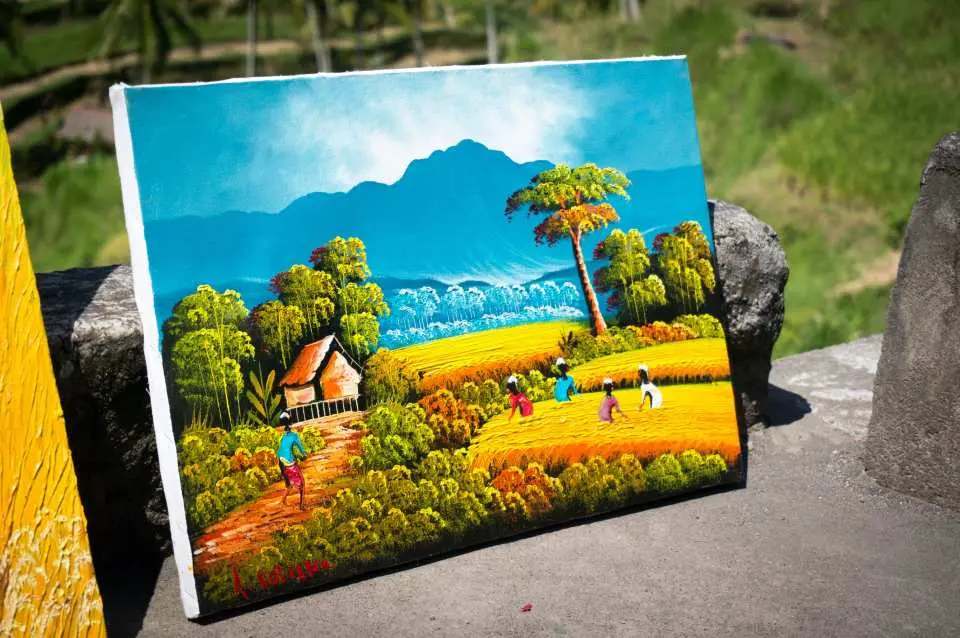

Stop off at the Tegalalang Rice Terraces, UNESCO-listed scenic rice paddies, complete with coconut trees, giant swings and zip wires


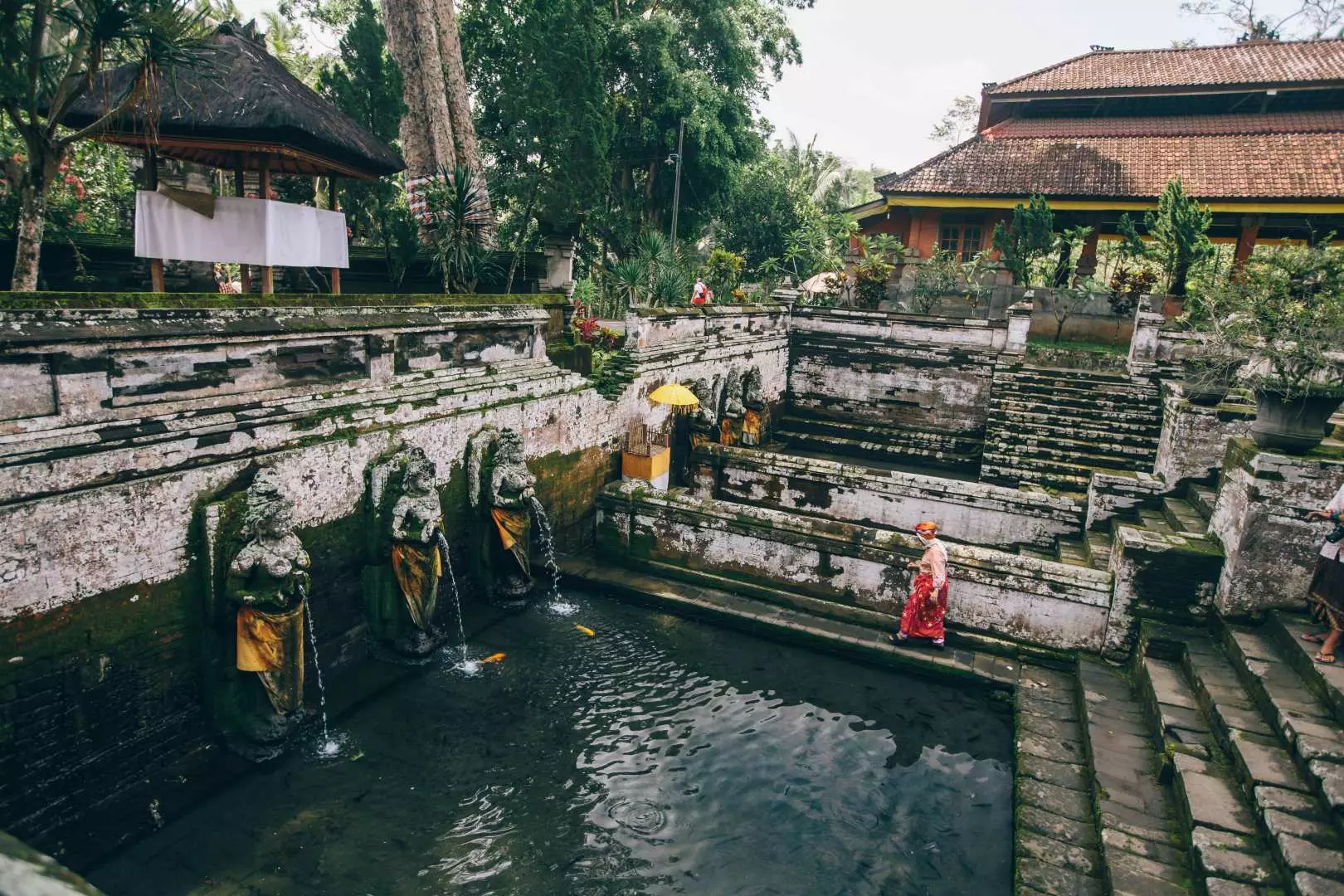
Then go on the Tirta Empul Tour and see this holy water temple built during the Warmadewa Dynasty (960 AD). See why it is of utmost importance to the Balinese and watch as they bathe in holy waters and present colorful offerings to the gods

Purchase Notice
— Important Info —
- Pick-up time: 8:00 am-8:30 am
- Pick-up point: Your hotel
- Hotel transfer service range includes Kuta, Legian, Seminyak, Jimbaran, Sanur, Krobokan, Canggu, Nusa Dua, Ubud
— What You Should Bring —
- Camera
- Pocket money
- E-voucher
- Sarong / cover-up
- A swimsuit and towel (if you plan to bathe)
Reminders
Please arrive at the designated location 15 minute(s) before the scheduled departure time, as the tour will depart on time
Please be advised that our shared tour or small group tour is unable to accommodate different pick-up and drop-off locations. If your transportation needs require different pick-up and drop-off locations, kindly select our private tour option.
Cancellation Policy
- Cancellations 2 day(s) (inclusive) before the selected date are allowed. Unused orders can be canceled for free
- Cancellation is not allowed between 0–1 days from the selected date. Orders cannot be canceled or modified, and refunds will not be granted.
- Due to time zone differences, the confirmed cancellation date is based on the supplier’s local time. Please allow 2–5 business days to process your cancellation request, after which the cancellation fee will be charged according to the product’s cancellation policy. Once the cancellation is confirmed, you will receive your refund within 14 working days.
FAQ
A comprehensive tour often includes a visit to Batubulan Village to witness the traditional Barong and Keris Dance. You can explore the lush Tegalalang Rice Terraces and marvel at the panoramic volcanic landscapes of Kintamani Geopark, which features Mount Batur. The itinerary also typically features the ancient Goa Gajah Temple, known for its elephant cave, and Titra Empul Temple, where visitors can observe purification rituals.
Kintamani Geopark is significant for its breathtaking natural beauty, featuring the active volcano Mount Batur and its crater lake. It offers stunning panoramic views that are unique to Bali's central highlands. As a UNESCO Global Geopark, it's also recognized for its geological importance and diverse ecosystems, making it a key site for both scenic appreciation and understanding Bali's natural history and volcanic landscapes.
To explore Kintamani Geopark, Tegalalang Rice Terraces, and Goa Gajah Temple effectively, a full-day tour is highly recommended. This allows sufficient time at each location: approximately 1-2 hours for Kintamani's viewpoints and a meal, about 1 hour for exploring the Tegalalang Rice Terraces, and roughly 45 minutes to 1 hour for Goa Gajah Temple and Titra Empul Temple. Travel time between sites should also be factored in.
The most convenient way to visit these attractions is by booking a guided tour with private transportation, as they are spread out across Northern Bali. Alternatively, you can hire a private car with a driver for the day, which offers flexibility. Public transportation options are limited and less efficient for covering multiple sites in this region. Motorbike rental is also an option for experienced riders but may be less suitable for longer distances.
You can conveniently book a tour that includes Batubulan Village, Titra Empul Temple, and Kintamani Geopark through KKday. Booking via KKday allows you to easily compare various tour packages, secure your spots in advance, and often includes benefits like comfortable private transportation, experienced local guides, and well-planned itineraries, enhancing your travel experience without the hassle of personal logistics.
At Batubulan Village, visitors can experience the captivating Barong and Keris Dance performance. This traditional Balinese dance tells the mythological story of the eternal struggle between good (Barong, a mythical lion-like creature) and evil (Rangda, a demon queen). It's a vibrant spectacle featuring elaborate costumes, traditional music, and dramatic storytelling, offering a deep insight into Balinese culture and spiritual beliefs.
The Tegalalang Rice Terraces are renowned for their stunning terraced landscapes, sculpted by generations of Balinese farmers using the traditional Subak irrigation system. This UNESCO-recognized system showcases harmonious community-based water management. Visitors can admire the intricate emerald-green paddies, walk along the terraces, and capture iconic photographs of this breathtaking agricultural artistry, offering a serene and picturesque experience unique to Bali.
At Titra Empul Temple, visitors can witness traditional Balinese purification rituals, known as Melukat. Worshippers enter the sacred spring water pools to cleanse themselves under a series of holy water spouts, each believed to have specific purifying powers. While direct participation is typically for Balinese Hindus, visitors are welcome to respectfully observe these deeply spiritual practices, understanding their significance in Balinese Hinduism.
Get Help


