


Bioparco: The Zoo of Rome
- Take a break from the traditional Rome sightseeing highlights and explore one of Europe's most impressive zoological bioparks. See an incredible array of exotic wildlife, from grizzly bears to tiny frogs, as well as leopards, tigers, pythons and even a Komodo dragon or two. Learn about the impact of human actions on the environment, as well as the conservation efforts that help sustain endangered habitats around the world.
Attraction Tickets
| Exhibit type | Natural science |
| Attraction type | Ecology & conservation, Zoos, Natural habitats |
Product Info
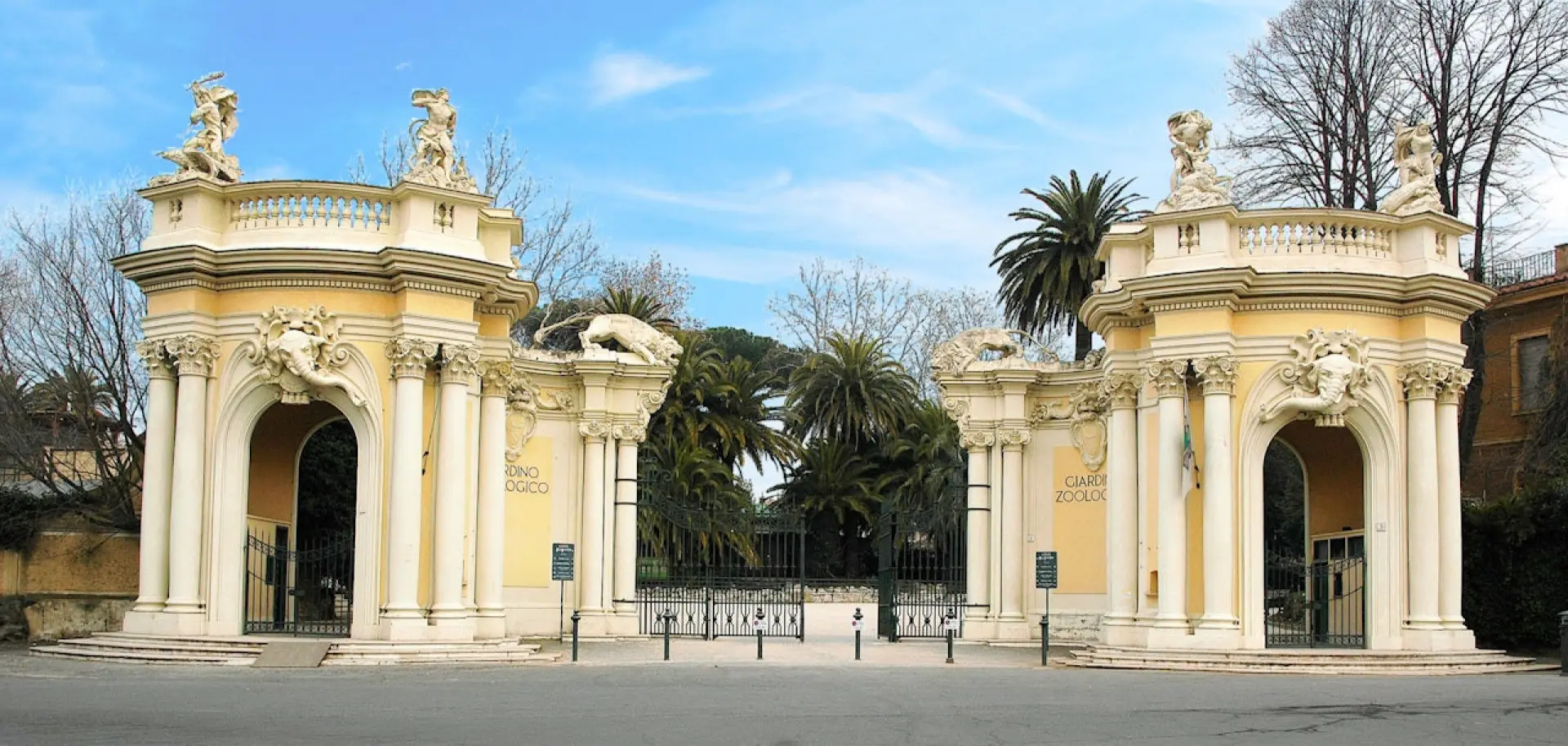
When in Rome, do as the Romans do. In this case, that means visiting one of Europe's best animal-based attractions! It's easy to find ancient architectural marvels and renaissance art in the city, but if you're looking for something a little more kid-friendly, look no further than Bioparco: The Zoo of Rome. It's been wowing visitors since 1911!






Important Info
Includes/Excludes
Reminders
Please refer to your voucher for final information regarding meeting points, pick-up locations, and pick-up time
Experience Location
Location Name: Bioparco, Viale del Giardino Zoologico 1
Address: Bioparco, Viale del Giardino Zoologico 1Cancellation Policy
- Once the order has been completed, it cannot be canceled, modified, or refunded
- Due to time zone differences, the confirmed cancellation date is based on the supplier’s local time. Please allow 2–5 business days to process your cancellation request, after which the cancellation fee will be charged according to the product’s cancellation policy. Once the cancellation is confirmed, you will receive your refund within 14 working days.
FAQ
Bioparco di Roma offers a unique experience, allowing visitors to explore one of Europe's oldest and most impressive zoological parks. It provides an opportunity to see a diverse array of exotic wildlife, including leopards, tigers, grizzly bears, and Komodo dragons. Beyond animal viewing, it highlights conservation efforts and the impact of human actions on the environment, offering an educational perspective that complements Rome's historical sites. It's a rewarding visit for nature lovers and families seeking a different kind of attraction.
To fully appreciate the diverse collection of animals and exhibits at Bioparco di Roma, visitors should typically allocate 3 to 4 hours. This allows ample time to leisurely walk through the park, observe various species from different continents, and engage with the educational information provided. Those with children or a particular interest in conservation might want to extend their visit to half a day to enjoy all the facilities and animal encounters.
Tickets for Bioparco di Roma can be conveniently purchased both online and directly at the park's entrance. For a smoother entry and to potentially avoid queues, it is often recommended to purchase tickets in advance through an online travel platform. For instance, you can book through KKday to enjoy a streamlined process and easily manage your travel plans alongside other activities in Rome. This method ensures your entry is secured before arrival, enhancing your overall visit experience.
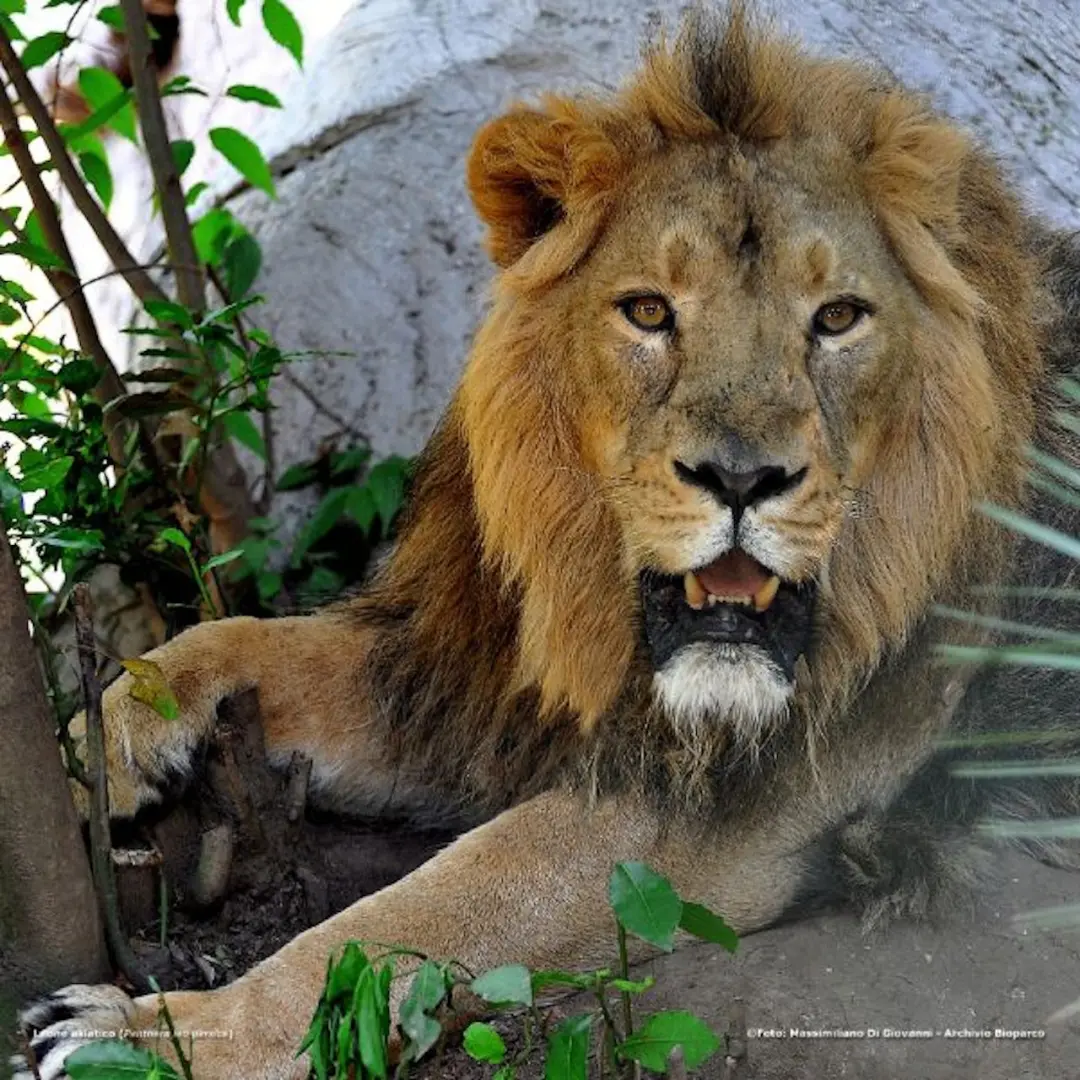
Bioparco di Roma is home to an incredible array of exotic wildlife, showcasing biodiversity from around the globe. Visitors can encounter powerful predators such as leopards, tigers, and grizzly bears, alongside fascinating reptiles like pythons and Komodo dragons. The park also features a variety of primates, birds, and smaller creatures, providing an immersive experience across different habitats. Each exhibit is designed to educate visitors about the animals' natural environments and conservation status.
Bioparco di Roma is conveniently located within Villa Borghese and is accessible via several public transportation options. You can take Metro Line A to Flaminio or Spagna stations, followed by a pleasant walk through Villa Borghese, or connect to a bus. Numerous bus lines, such as 3, 52, 53, 92, 116, and 217, have stops near the park's main entrance. Additionally, Tram Line 19 provides direct access, stopping right outside the Bioparco entrance, making it a straightforward journey from various parts of Rome.
Bioparco di Roma is deeply committed to global biodiversity conservation. The park actively participates in various international breeding programs for endangered species, aiming to preserve genetic diversity and facilitate reintroduction into the wild. Beyond breeding, Bioparco engages in significant educational initiatives, raising public awareness about environmental issues, the impact of human actions, and the importance of protecting endangered habitats. Visitors learn about these efforts through informative exhibits and interactive programs during their visit.
Yes, Bioparco di Roma is well-equipped to cater to families, ensuring a comfortable and enjoyable visit for all ages. The park offers stroller rentals, numerous clean restrooms, and designated changing facilities for babies. There are also several picnic areas and refreshment points, including cafes and snack bars, for meals and breaks. Additionally, the park features children's play areas and often hosts educational activities tailored for younger visitors, enhancing their learning experience about wildlife and conservation.
For an optimal experience at Bioparco di Roma, visiting during the spring (April-May) or autumn (September-October) is ideal, as the weather is mild and pleasant for walking outdoors. Weekdays generally offer a less crowded atmosphere compared to weekends and public holidays. Arriving shortly after opening in the morning or later in the afternoon can also help avoid peak midday crowds, allowing for better animal viewing opportunities as many animals are more active during cooler parts of the day.
Get Help


