




Day Tour | Visiting Quy Nhon - Han Mac Tu - Quy Hoa Leper House - Tien Sa Beach
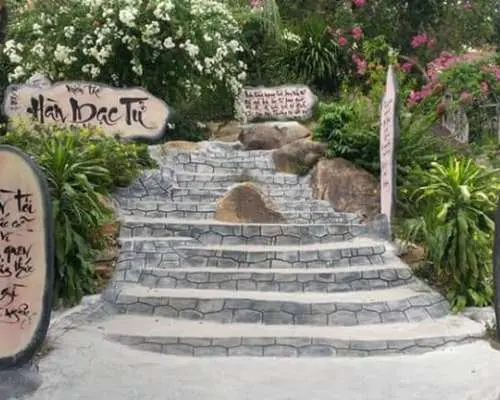
- Go to Ghenh Rang - Tien Sa to light a memorial incense on the grave of a talented poet whose life has been lost, listen to Han Mac Tu's poems from Dzu Kha
- Visit Trai Phong Quy Hoa leprosy, where the poet Han Mac Tu spent the last years of his life
- Visit Twin Towers and Long Khanh Pagoda
Product Info
What You Can Expect
1 Day
- 08:00Car and guide pick you up at the hotel in Quy Nhon to take you to visit. Ghenh Rang Tien Sa tourist area, Mong Cam slope, Thi Nhan hill, visit Han Mac Tu tomb, Hoang Hau beach and Tien Sa beach. You can listen to the explanation about the life and talented career of poet Han Mac Tu - A short life as if it was shining in the sky of Vietnamese poetry and living forever in the hearts of the public who love Han Mac Tu. Enjoy Dzu Kha's talent and share the passion for Han Mac Tu's poetry.
- You can see the whole coastal city of Quy Nhon from above. Continue to visit Trai Phong Quy Hoa, follow the beautiful coastal road, from Highway 1D, go through smooth white sand beaches and craggy cliffs to arrive at Trai Phong Quy Hoa. This is a place famous for its beautiful scenery and especially the place where poet Han Mac Tu lived, composed and stayed forever. Phong Quy Hoa Trai is located in a peaceful valley, on the beach all year round, surrounded by old pine trees.
- Have lunch at a restaurant in Quy Nhon city. Afternoon: Visit Twin Towers - A cluster of towers with two ancient towers with Angkorian architecture, built in the 12th century located on a flat plane right in the heart of Quy Nhon city.
- Cathedral Church: Built in 1938 by Bishop Tardieu. The church was built according to the cross-shaped layout. A special feature is that the church has a 47.2m pointed tower soaring to the sky. This is why people used to call this the Spike Church. This is a very impressive attraction with historical significance and associated with the formation and development of Quy Nhon urban area, which you should not miss when coming to this peaceful city.
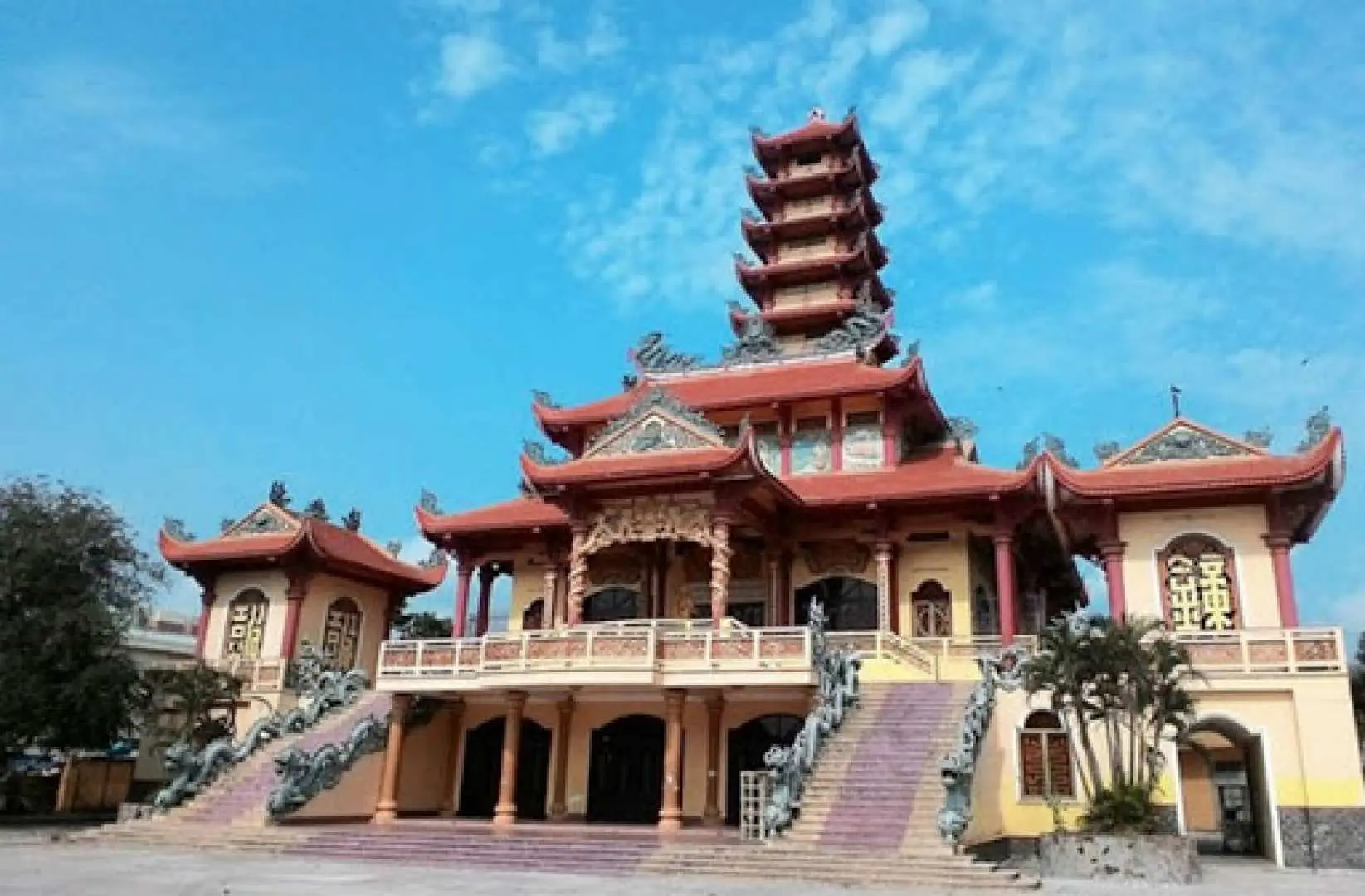
- Long Khanh Pagoda: Is a historical scenic spot of Binh Dinh province. The pagoda was built in 1700, by the Chinese Patriarch Duc Son, 300 years ago, 13 generations of abbots have been inherited. End of exploring the coastal city of Quy Nhon. Goodbye and see you again!
- 17:00Return to pick-up point. Tour ends.




Purchase Notice
- Please provide all required information for the company to register for insurance.
- When there are children with you, you should pay attention to observe the children with the tour guide
Includes/Excludes
How to Redeem Your Voucher
How to Use Your Voucher
- Please present the e-voucher on-site
Pickup Point
Location Name: Quy Nhon Centre
Address: Quy Nhon Centre, Binh Dinh ProvinceExperience Location
Location Name: Tien Sa Beach
Address: Quy NhonCancellation Policy
- Cancellations 2 day(s) (inclusive) before the selected date are allowed. Unused orders can be canceled for free
- For cancellations made 1 to 1 days prior to selected date, a cancellation fee of 50% will apply
- Cancellation is not allowed between 0–0 days from the selected date. Orders cannot be canceled or modified, and refunds will not be granted.
- Due to time zone differences, the confirmed cancellation date is based on the supplier’s local time. Please allow 2–5 business days to process your cancellation request, after which the cancellation fee will be charged according to the product’s cancellation policy. Once the cancellation is confirmed, you will receive your refund within 14 working days.
FAQ
Han Mac Tu was a prominent Vietnamese poet of the 20th century, celebrated for his unique romantic and surrealist style. Born in 1912, he is considered one of Vietnam's most influential literary figures. His life, marked by illness and profound sensitivity, deeply influenced his evocative works, which explored themes of love, faith, and suffering. Quy Nhon, especially the Quy Hoa Leper House, became intrinsically linked to his later years.
Quy Hoa Leper House holds profound historical significance as the place where Han Mac Tu spent his final years after being diagnosed with leprosy. He moved there in 1940 and passed away in 1940. This tranquil setting became a poignant backdrop for his last creative period, inspiring some of his most moving and introspective poetry. The site serves as a memorial to his life and struggles, offering visitors a glimpse into his personal journey.
At Ghenh Rang - Tien Sa, visitors can find the grave of Han Mac Tu, offering a place for reflection and remembrance of the poet. The area is also known for its poetic atmosphere, where one might listen to recitations of Han Mac Tu's works from Dzu Kha. The scenic coastal views of Tien Sa are said to have inspired the poet, connecting his life and art to the natural beauty of Quy Nhon.
The Twin Towers (Thap Doi) in Quy Nhon are a striking example of Cham architecture, dating back to the 12th century. They consist of two ancient brick towers, intricately decorated with carvings and motifs reflecting Hindu influences. These structures are remnants of the ancient Champa kingdom, showcasing the rich cultural and religious heritage that once thrived in the region and contributing to Quy Nhon's diverse historical landscape.
Long Khanh Pagoda is one of the oldest and most revered Buddhist pagodas in Quy Nhon, founded in the late 18th century. It features traditional Vietnamese temple architecture, housing a large bronze Buddha statue and ancient bells. Visitors can explore its serene courtyards, intricate altars, and observe the daily spiritual practices, experiencing a peaceful sanctuary that reflects the region's enduring Buddhist traditions and local devotion.
Han Mac Tu's poetry was profoundly shaped by his life experiences, particularly his struggle with leprosy and his profound spiritual journey. His early works displayed romanticism, but his later poetry became more intense, spiritual, and sometimes surreal, reflecting his inner turmoil, longing for love, and deep contemplation of faith and mortality. These personal trials imbued his verses with a unique emotional depth and philosophical inquiry.
Quy Hoa Leper House (Trai Phong Quy Hoa) continues to operate as a modern medical facility specializing in dermatology and other health services for the community. However, a significant portion of its original structures and the area connected to Han Mac Tu's time are preserved as a historical and cultural site. Visitors can explore the memorial garden and the small museum dedicated to the poet within the tranquil, village-like setting.
Quy Nhon's rich cultural tradition provides a vital context for understanding Han Mac Tu's legacy. The region's historical depth, natural beauty, and spiritual resonance, including sites like ancient Cham towers and Buddhist pagodas, influenced his perceptions and writings. His connection to Quy Nhon, especially through the Quy Hoa Leper House, embeds his story deeply within the local cultural fabric, allowing visitors to grasp the environment that shaped his profound artistic expression.
Get Help


