


Tickets for Kenting National Forest Recreation Area & Eluanbi Park, Pingtung
Explore southern Taiwan's beauty to Kenting National Forest Recreation Area and Eluanbi Park. Admire coral reefs, dense coastal plants, birdlife, prehistoric sites, and more.
- Discover Kenting National Forest Recreation Area's unique limestone terrain, featuring stalactites, stalagmites, and other geological treasures in caves like Yinlong Cave and Stalagmite Cave
- See the rich birdlife, including the red-tailed shrike, red-bellied eagle, gray-faced vulture, and oriole
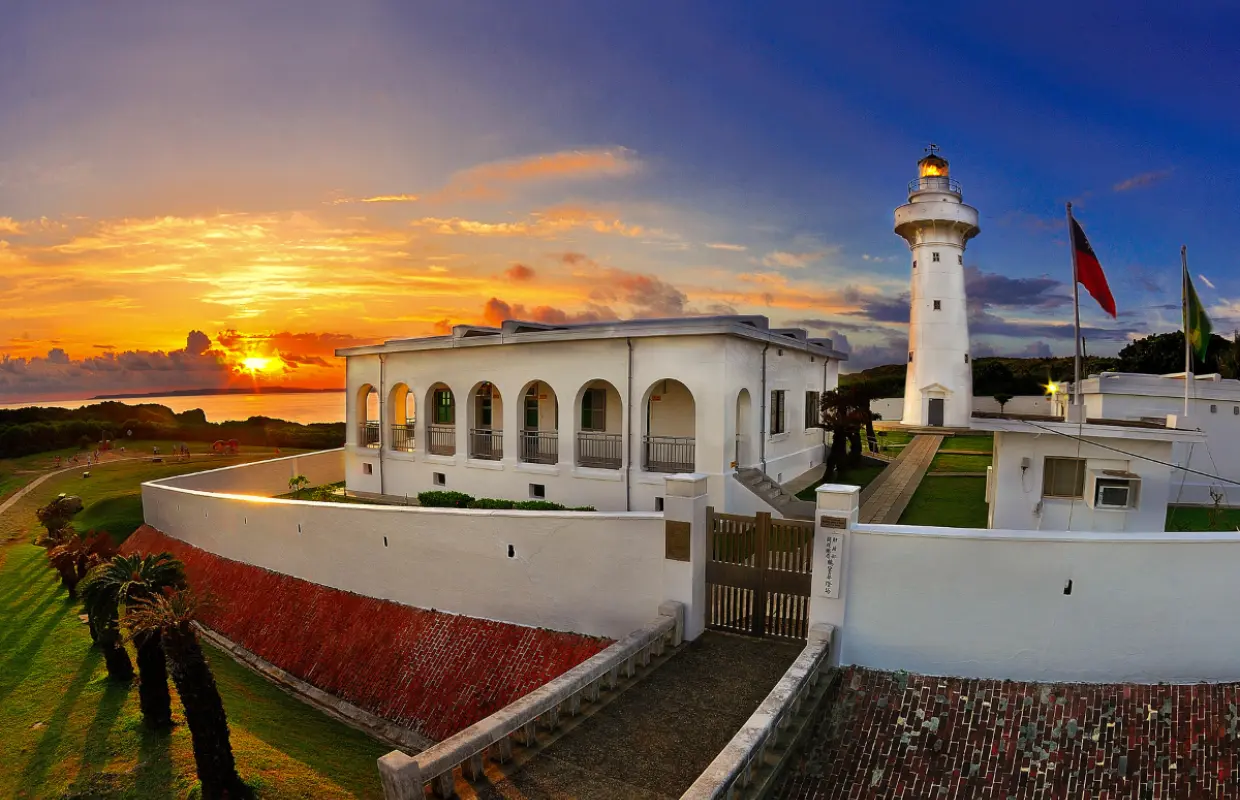
- Visit the Eluanbi Lighthouse, known as the "Light of East Asia," blending geological, ecological, cultural, and historical resources. Voted one of the "Taiwan Eight Scenic Spots," it features the "Taiwan Eight Scenic Spots Eluanbi Monument"
Attraction Tickets
| Ticket type | E-ticket (direct entry) |
| Attraction type | Ecology & conservation |
| Natural scenery | Forests |
Product Info
The content of this product is provided by machine translation and may not reflect the actual information, please take this into consideration before booking.
— What You Can Expect —
Explore the beauty of southern Taiwan at Kenting National Forest Recreation Area and Eluanbi Park. Experience coral reefs, dense coastal plants, birdlife, and prehistoric sites. Discover Kenting's limestone terrain with stalactites and stalagmites in caves like Yinlong Cave. Observe diverse bird species such as the red-tailed shrike and red-bellied eagle. Visit the Eluanbi Lighthouse, dubbed the "Light of East Asia," known for its geological, ecological, and cultural significance.
— Important Info —
Kenting National Forest Recreation Area
- Opening hours: 8:00 am–5:00 pm
- Business Address: No. 201, Park Road, Kenting, Hengchun Township, Pingtung County, Taiwan
- Because the climate on the mountain is changeable, please confirm before departure: Information on the official website of the Forestry Bureau, Taiwan Forest Travel Network
Eluanbi Park
- Opening hours:
- January–March, 7:00 am–5:30 pm
- April–September, 6:30 am–6:30 pm
- October–December, 7:00 am–5:30 pm - Business address: No. 301, Dengta Road, Eluanli, Hengchun Township, Pingtung County
- Please confirm the official website before departure
- Parking fee: NTD60/person for coaches, NTD40/person for small cars, NTD10/person for locomotives
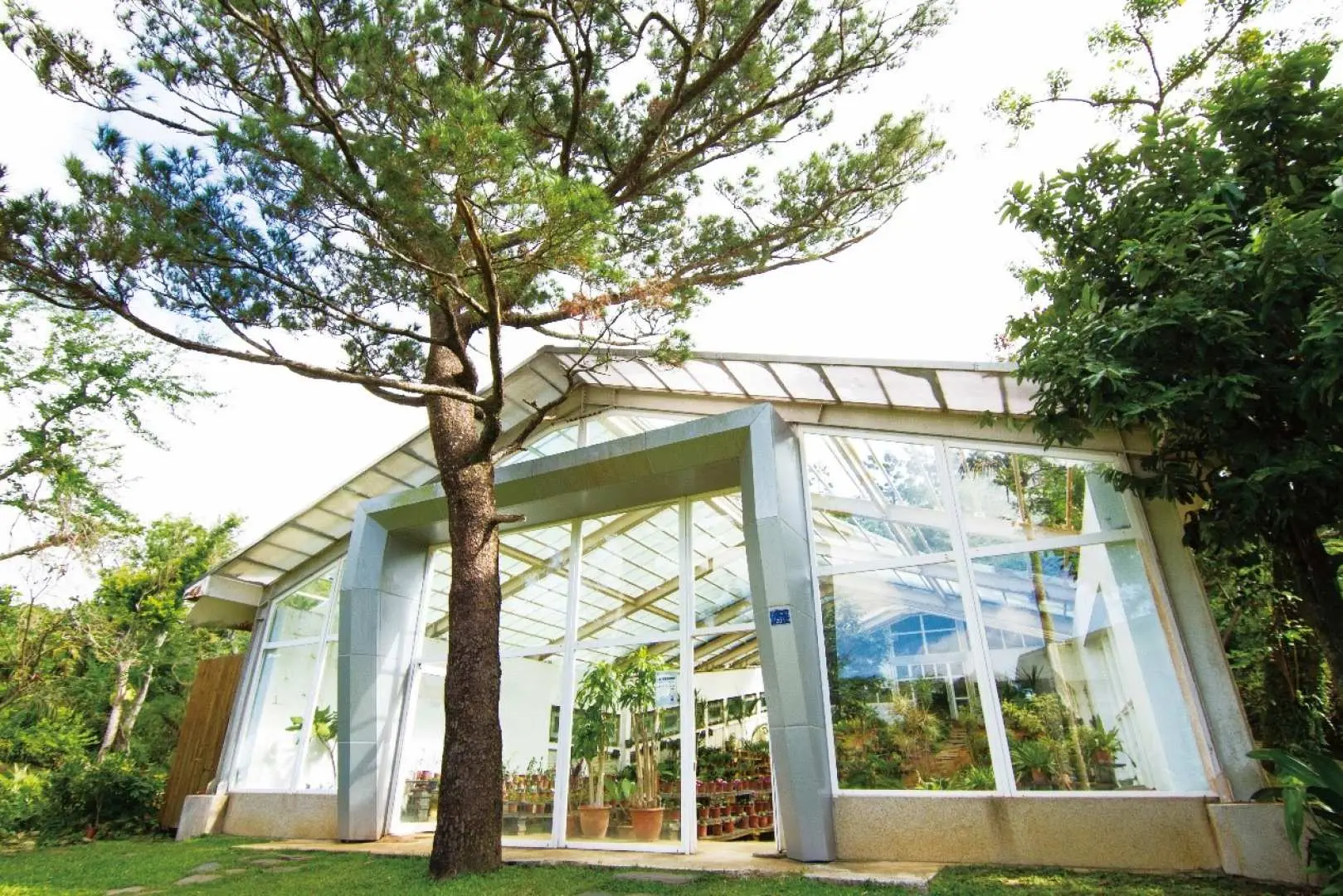
Explore Kenting National Forest Recreation Area, located in Hengchun Town, Pingtung County, just 10 minutes from Kenting Main Street. It is Taiwan's second National Forest Recreation Area, featuring dense tropical forests. Once a tropical botanical garden, it cultivated numerous tropical plants. Kenting boasts a rich bird ecosystem, with highlights like red-tailed shrikes, red-bellied eagles, gray-faced vultures, and orioles, especially from August to spring.
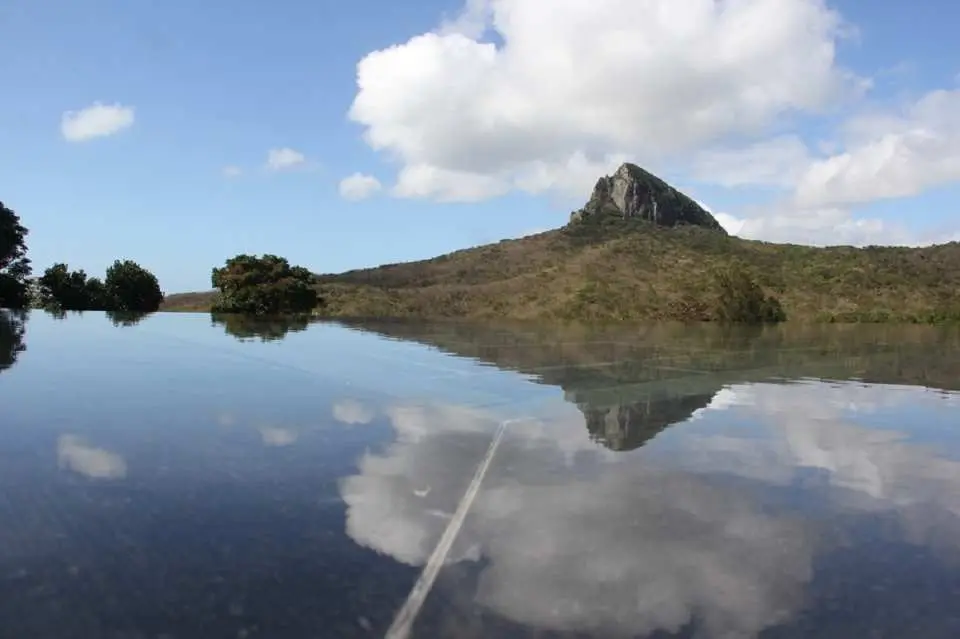

Visit Kenting National Forest Recreation Area, originally a marine garden, now a unique forest ecosystem with high coral reef forests. See the geological wonders like stalactites and stalagmites in caves such as Yinlong Cave and Stalagmite Treasure Cave.


See the Eluanbi Lighthouse facing southwest, backed by mountains and overlooking the sea. It is built in the form of a fortress, with shooting holes in the wall and trenches around it.


Spot the entrance of Kenting National Forest Recreation Area
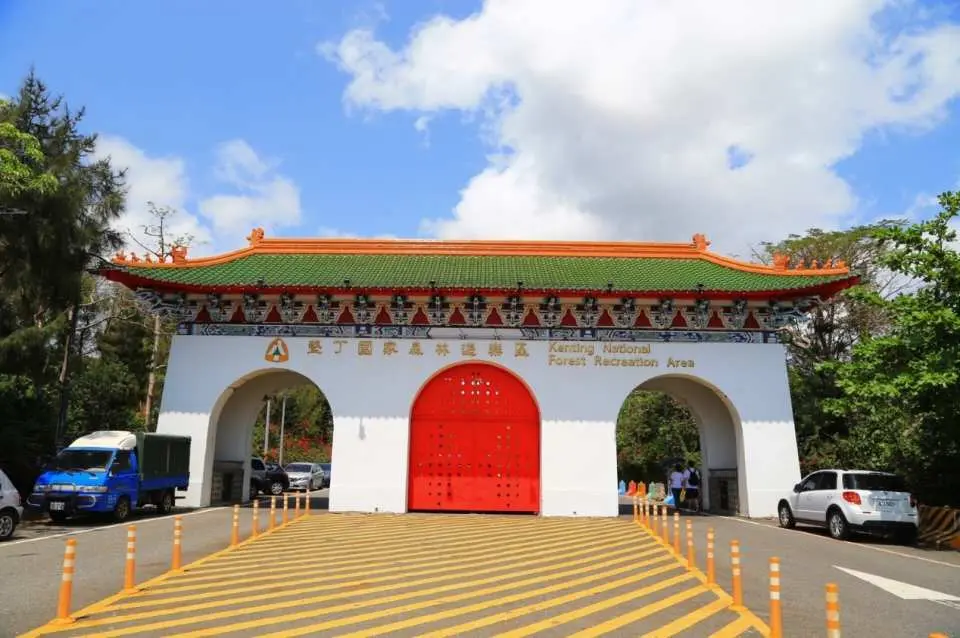

See the Kenting National Forest Recreation Area verification site


Purchase Notice
- This is a full ticket for ordinary adults, and there are other discount tickets, please refer to the official website of the Forest Service
Includes/Excludes
Reminders
The parking lot of Kenting National Forest Recreation Area is operated by private enterprises. This park does not apply to the free parking fee discount for purchasing electronic tickets.
Unless in compliance with the "Regulations on the Suspension of Work and Classes due to Natural Disasters," the Pingtung County Government reserves the right to announce class start and end times. The forestry bureau or park management unit may also decide to partially or fully close the park if they deem it necessary for visitor safety. Please verify the park's status on the official website before your visit.
Due to the mountain's unpredictable climate, please check the official website for opening information before your departure.
How to Use
- Go to the ticket check office of Kenting National Forest Recreation Area, and the staff can sense the QR code to enter and board.
Experience Location
Location Name: Kenting National Forest Recreation Area
Address: No. 201, Kentingli Gongyuan Road, Hengchun Township, Pingtung County, TaiwanLocation Name: Eluanbi Park
Address: 946 Dengta Road, Hengchun Township, Pingtung CountyCancellation Policy
- Free cancellation is available for unused vouchers within 365day(s) of booking
- Due to time zone differences, the confirmed cancellation date is based on the supplier’s local time. Please allow 2–5 business days to process your cancellation request, after which the cancellation fee will be charged according to the product’s cancellation policy. Once the cancellation is confirmed, you will receive your refund within 14 working days.
FAQ
Kenting National Forest Recreation Area is renowned for its unique limestone terrain. Visitors can explore geological treasures like stalactites and stalagmites within caves such as Yinlong Cave and Stalagmite Cave. The area also boasts a diverse coastal plant ecosystem and a rich variety of birdlife, offering a comprehensive natural exploration experience.
Eluanbi Park is home to the iconic Eluanbi Lighthouse, known as the "Light of East Asia," a significant historical landmark. The park itself blends unique geological formations, diverse ecology, rich cultural heritage, and historical resources. It's recognized as one of Taiwan's Eight Scenic Spots and features a monument commemorating this status, making it a valuable site for both natural beauty and cultural exploration.
The best time to visit Kenting National Forest Recreation Area and Eluanbi Park is typically from October to April. During these months, the weather is cooler and drier, making it more comfortable for outdoor exploration and hiking. Avoiding the hot and humid summer (May to September) also means fewer chances of typhoons, ensuring a more pleasant travel experience.
To reach the Kenting area, most visitors first travel to Kaohsiung (either by high-speed rail or plane). From Kaohsiung, you can take a shuttle bus (like the Kenting Express Line) directly to Kenting, which takes about 2-3 hours. Alternatively, private transfers or rental cars are also popular choices for direct travel to the area, offering flexibility for exploration.
To travel between Kenting National Forest Recreation Area and Eluanbi Park, visitors can utilize local transportation options. Renting a scooter or electric bicycle is a popular and flexible choice for navigating the area. Taxis or local shuttle buses are also available. For convenience, some visitors opt for private car hires or tour services that include transfers between these and other nearby attractions.
Kenting National Forest Recreation Area is renowned for its fascinating limestone terrain. Visitors can discover a variety of impressive geological formations, including intricate stalactites and stalagmites. Specific examples include the Yinlong Cave and Stalagmite Cave, which offer direct opportunities to observe these natural wonders up close, showcasing the area's rich geological history.
Kenting National Forest Recreation Area is a haven for birdwatchers, especially during migration seasons. The area supports rich birdlife, making it an excellent spot for observing various species. Common birds sighted include the red-tailed shrike, red-bellied eagle, gray-faced vulture, and the colorful oriole. This diverse avian population adds to the natural beauty and ecological value of the park.
The Eluanbi Lighthouse in Eluanbi Park holds significant historical and cultural importance, often referred to as the "Light of East Asia." It is a pivotal landmark blending geological, ecological, cultural, and historical resources. The lighthouse guides ships and stands as a symbol of Taiwan's southern tip, offering panoramic views and contributing to its recognition as one of Taiwan's renowned scenic spots.
Get Help


