

Pompeii: Skip The Line + Bus Roundtrip from Rome
- Enjoy air-conditioned comfort - with free WiFi - from Rome to Pompeii and back; modern comforts for a trip into the ancient past. Skip the ticket lines at Pompeii and walk right in and soak up the atmosphere of one of history's most well-preserved site. Take advantage of a well-informed and entertaining tour assistant at the bus stops.
Sightseeing Tours
| Tour Type | Shared tour |
| Transportation method | Transfer from meeting point |
| Tour types | Guided tour |
| Additional service & facility | Fast Track |
| Sightseeing type | Historic site tour, Bus tour |
| Transport | Bus tour |
Product Info
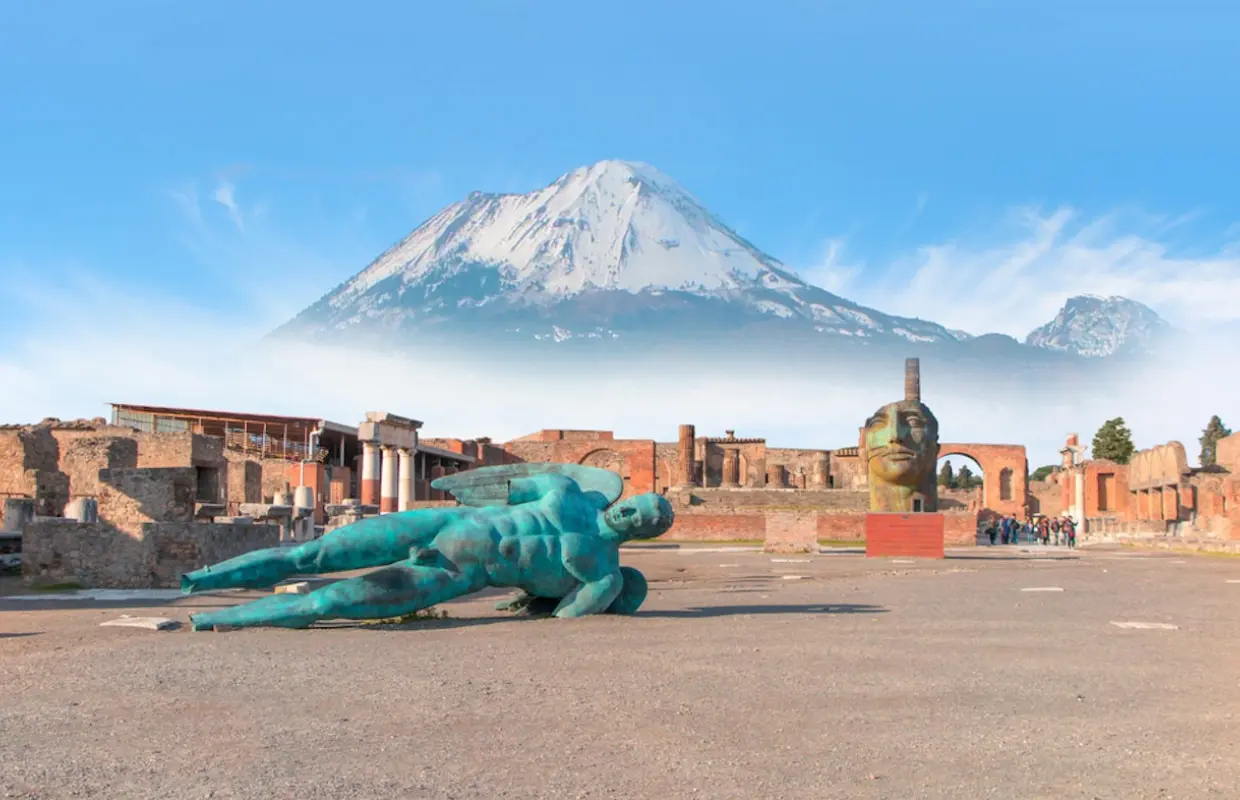
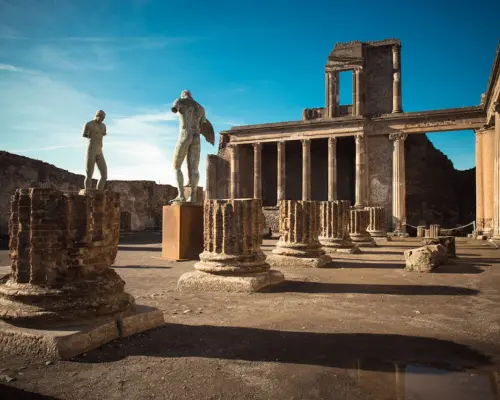
From Rome to Pompeii: a modern comfort bus for a trip into the past. Enjoy an air-conditioned coach ride (with free WiFi) to one of history's most fascinating sites. Once you arrive, you'll get skip-the-line access to this fascinating ancient city preserved by the lava from Mt. Vesuvius. After a day spent wandering through the eerily well-preserved remains, you'll board your bus again and be shuttled in air-conditioned comfort back to Rome.
- Important Info -
Important Information:
- In case of rainy weather the group will visit the (indoor) National Archaeological Museum of Naples instead of Vesuvius
- Spring/Summer (March-late November): Optional hike up Mount Vesuvius
- From early November to March the Vesuvius isn't accessible and it is replaced with a visit to the city of Positano and free time with panoramic bus tour of the Amalfi Coast
- Keep in mind you need to arrive 15 minutes before start.
Child Policy:
- Free for children under 2, if they sit on an adult's lap.
Good to know:
- We recommend wearing comfortable shoes for walking around Pompeii
- Bring your own snacks, or cash to buy lunch at one of the pizzerias situated next to the archaelogical zone
- Itinerary -
- Departure from Piazza del Popolo: 7.30am
- Pompeii Visit




Important Info
Reminders
Please refer to your voucher for final information regarding meeting points, pick-up locations, and pick-up time
Cancellation Policy
- Once the order has been completed, it cannot be canceled, modified, or refunded
- Due to time zone differences, the confirmed cancellation date is based on the supplier’s local time. Please allow 2–5 business days to process your cancellation request, after which the cancellation fee will be charged according to the product’s cancellation policy. Once the cancellation is confirmed, you will receive your refund within 14 working days.
FAQ
Pompeii holds immense historical significance as a uniquely preserved ancient Roman city. Buried by the eruption of Mount Vesuvius in 79 AD, it offers an unparalleled snapshot of Roman daily life, architecture, and art. The ruins reveal intricate frescoes, public buildings, private homes, and everyday objects, providing invaluable insights into the social, economic, and cultural fabric of the Roman Empire, frozen in time.
Visiting the archaeological site of Pompeii is highly worthwhile for travelers interested in history and ancient civilizations. It offers a profound and immersive experience, allowing visitors to walk through well-preserved streets, homes, and public spaces from the Roman era. The site provides a rare and tangible connection to the past, offering deep insights into the daily lives, art, and architecture of a civilization frozen in time, making it an unparalleled educational journey.
The optimal time to visit Pompeii is during the spring (April to June) and autumn (September to October). During these shoulder seasons, the weather is pleasantly mild, and the crowds are generally smaller than in the peak summer months. This allows for a more comfortable and immersive exploration of the extensive ruins. Summer can be very hot and crowded, while winter offers cooler temperatures but shorter daylight hours and potential rain.
A guided tour significantly enhances the experience of exploring Pompeii by providing expert historical context and fascinating insights into the daily lives of its ancient inhabitants. Guides can navigate the vast site efficiently, highlight key areas, and share compelling stories that bring the ruins to life, transforming stones into vivid narratives. This deeper understanding enriches the visit, making the history more accessible and memorable.
Travelers can efficiently reach the Pompeii archaeological site from Rome by opting for a direct roundtrip bus service, which offers comfortable, air-conditioned travel and often includes skip-the-line access. Alternatively, one can take a high-speed train from Rome to Naples, then transfer to the local Circumvesuviana train to Pompeii Scavi – Villa dei Misteri station, which is a short walk from the entrance. Organized bus tours provide a seamless, hassle-free option.
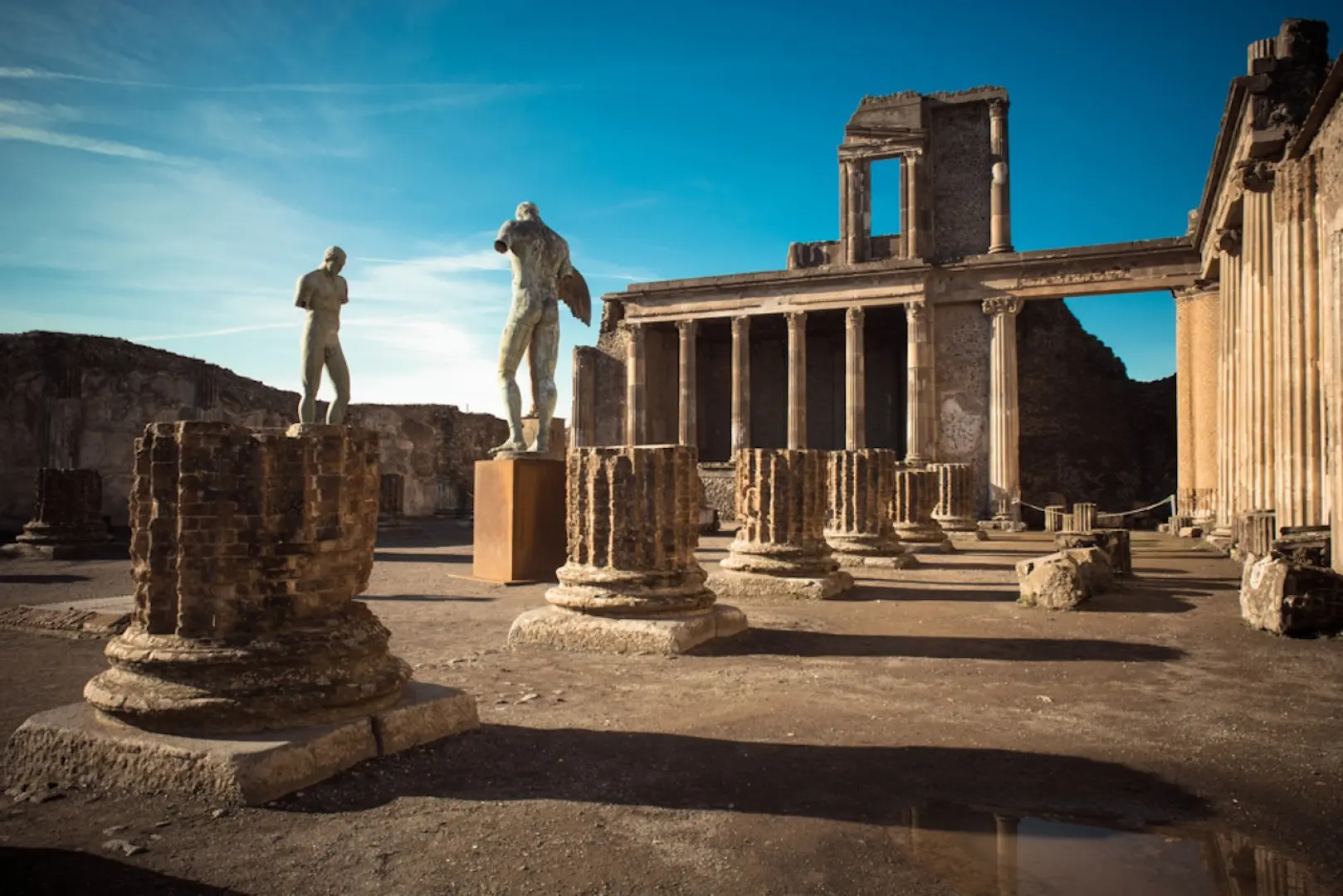
When exploring Pompeii, visitors should prioritize key areas such as the Forum, the heart of public life, for its impressive temples and basilicas. The Amphitheater, one of the oldest surviving Roman amphitheaters, offers insight into entertainment. Don't miss the House of the Vettii or the Villa of the Mysteries for their remarkable frescoes. The Stabian Baths illustrate Roman bathing culture, and the Garden of the Fugitives provides a poignant reminder of the eruption's victims.
To secure tickets for Pompeii and avoid potentially long queues at the entrance, it is highly recommended to pre-purchase tickets online. Booking through KKday offers the convenience of securing skip-the-line admission in advance, ensuring a smoother entry and saving valuable time for exploration. KKday provides comprehensive service, making the planning and access process much easier for travelers.
Visitors traveling to Pompeii on a dedicated tour bus typically enjoy amenities designed for comfort and convenience. These often include air-conditioned coaches, ensuring a pleasant journey. Some services also provide free WiFi on board, allowing travelers to stay connected. Furthermore, a well-informed tour assistant is often available at bus stops to provide helpful guidance and enhance the overall travel experience, making the trip seamless and relaxing.
Get Help


