If you’re planning a trip to Switzerland, finding the best things to do in Geneva in 2026 is where your itinerary starts to take shape.
From Lake Geneva and the Old Town to easy access to popular day trips, everything comes together here.
What shapes your trip here isn’t just what to see, but how you move around and what you choose to book early.
The Swiss Travel Pass is one of the easiest ways to travel across Switzerland with unlimited boat and train rides.
The Eurail Global Pass is better if Geneva is a part of a longer European itinerary.
To keep things simple, you may book directly through KKday, where you can compare passes, tours, and transfers in 1 place, with instant confirmation and mobile e-tickets on selected experiences.
In this guide, you’ll find the top things to do in Geneva, along with practical tips, transport options, and nearby day trips to help you plan your itinerary well.

2026 Swss Travel Pass Guide: Save on Your Switzerland Trip
Swiss Travel Pass vs Eurail Global Pass 2026: Which is Better?
| Swiss Travel Pass (All-in Switzerland) | Eurail Global Pass (Across Europe) |
| You want a simple, all-in travel experience in Switzerland | You’re travelling across multiple European countries |
| Unlimited trains, buses, and boats | Unlimited train travel across 33 countries |
| Consecutive or flexible days | Continuous or Flexi Pass options |
| Glacier Express included (reservation fee applies) | Available (reservation often required) |
| Free/discounted (Rigi, Stoos, Stanserhorn) | Not included |
| 500+ museums included | Selected partner discounts |
| One pass covers most transport | One pass across multiple countries |
| Travel Switzerland with zero planning stress | Explore Europe with one pass |
| From USD 323.65 | From USD 276.97 |
The Swiss Half Fare Card is ideal if you plan to take a few train journeys and want to save up to 50% off trains, buses, boats, and mountain transport across Switzerland.without committing to unlimited travel.
Swiss Travel Pass 2026: Do Not Buy Until You Read This Price Guide!
Best Geneva Day Trips: Explore the Alps
Geneva City Tour: Old Town, Lake Geneva Cruise & Top Highlights
Get a quick overview of Geneva’s key landmarks, Old Town, and lakeside views, combined with a relaxing cruise on Lake Geneva. A practical starting point if you are short on time.
French Alps Day Trip: Explore Chamonix & Mont Blanc from Geneva
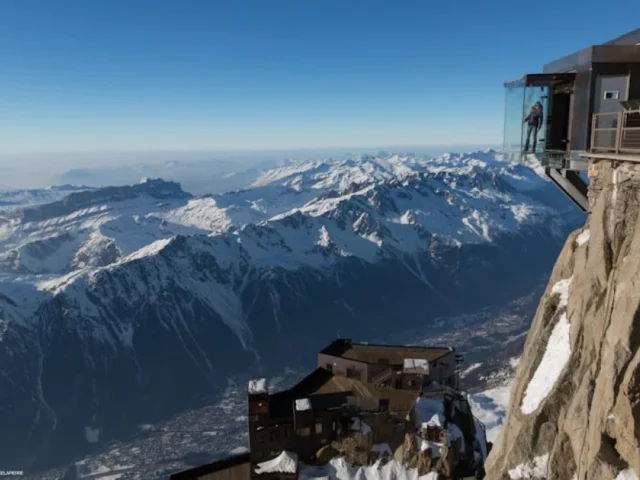
Experience the French Alps with guided transport from Geneva, including access to panoramic viewpoints and mountain rail experiences.
A simpler option to visiting Chamonix on a day trip by bus, ideal if you prefer a more flexible, lower-cost experience.
Alpine Scenery & Historic Towns: Montreux & Glacier 3000 Itinerary
Enjoy snow-covered peaks, a cable car experience, and a visit to Montreux in one itinerary. A good choice if you want to see multiple highlights in a single day.
Annecy Day Trip from Geneva: What to See in the “Venice of the Alps”
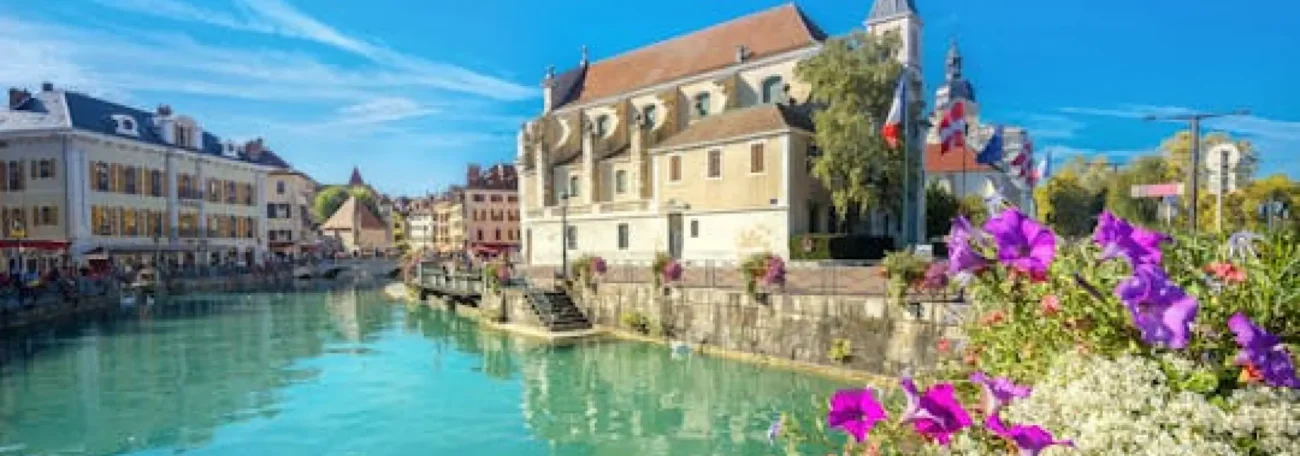
Explore canals, pastel coloured houses, and lakeside scenery just across the French border with a guided walking tour. A relaxed and picturesque alternative to mountain tours.
Switzerland Arrival Card 2026: New Digital Entry Guide & ETIAS
Best Time to Visit Geneva: 2026 Weather & Seasonal Guide

Geneva has a temperate climate, so weather conditions can vary depending on the season.
For the most comfortable sightseeing experience, plan your trip between May and September, when temperatures are warmer and ideal for exploring the city and nearby attractions.

-
May to September (High Season): Best for lake cruises, outdoor festivals, and hiking.
-
Winter (December to March): Ideal for those using Geneva as a base for skiing in the nearby French or Swiss Alps.
-
Editor’s Tip: Autumn (October) offers stunning golden foliage along the lake with fewer crowds.
| KKday’s Editor Trip: If you are visiting during colder months, make sure to bring extra warm layers, especially if you plan to visit areas closer to the Alps. |
Getting Around Geneva: Airport Transfers, Trains & Local Transport Guide
Flights to Geneva: Best Routes & Travel Time
Geneva is well-connected to major international cities via Geneva Airport, making it easy to reach from Europe, Asia, and the Middle East.
Most long-haul routes include 2 stops, with total travel time depending on your departure city.
If you are travelling within Europe, you can often find direct flights to Geneva, making it a convenient starting point for your Switzerland itinerary.
Geneva Airport to City Centre: Best Transport Options Compared
From Geneva Airport, there are several convenient ways to reach the city centre of Geneva. You can take the train, public buses, taxis, or ride-hailing services like Uber.
Renting a car is also an option if you plan to explore other parts of Switzerland.
If you’re travelling with large luggage, elderly family members, or children, booking a Geneva airport transfer can be the most convenient choice.
It allows you to travel directly from the airport to your accommodation without needing to transfer between different modes of transport.
| Geneva Airport to City Centre | Travel Time | Cost |
|---|---|---|
| Train | About 8 minutes | CHF 3 (≈ USD 3–4) or free with hotel transport card |
| Bus | About 25 minutes | CHF 3 (≈ USD 3–4) or free with hotel transport card |
| Taxi/Uber | About 17 minutes | CHF 35–45 (≈ USD 40–55) |
| Private Transfer | About 17 minutes | From CHF 79 (≈ USD 100+) |
How to Travel to Geneva from Other European Cities by Train
Within Europe, one of the most convenient ways to reach Geneva is by train. Switzerland’s rail network is well-connected with neighbouring countries, making cross-border travel smooth and efficient.
-
Lyon, France ⇄ Geneva: Take the high-speed TGV Lyria train, which takes about 2 hours.
-
Bern ⇄ Geneva: Travel via Swiss Federal Railways (SBB), with a journey time of approximately 1 hour 40 minutes.
Eurail Pass 2026 Guide: How to Buy, Use, and Find Exclusive Promo Codes
Geneva Transport Pass Recommendations
| Geneva Transport Card | Swiss Half Fare Card | Swiss Travel Pass |
|---|---|---|
| Valid during your hotel stay | 1 month | Available for 3, 4, 6, 8, or 15 days (consecutive or flexible days) |
| You will receive an email about 3 days before arrival with a link to download the digital transport card | Available on the Switzerland Tourism website or via KKday | Available on the Swiss Federal Railways website or via KKday |
| Public transport within Geneva Zone 10, including buses, trams, trains, and shuttle services | 50% discount on trains, buses, boats, scenic trains, and many mountain transport routes | Unlimited travel on trains, buses, and boats across more than 90 cities in Switzerland |
| You are staying in registered accommodations in Geneva (hotels, hostels, etc.) | You are visiting Switzerland and plan to purchase individual tickets at half price | You are exploring multiple cities across Switzerland |
| Free | CHF 150 (≈ USD 189) | From CHF 250 (≈ USD 300) |
Geneva Transport Card

The Geneva Transport Card is a free public transport pass provided by the city if you are staying at registered accommodations such as hotels, hostels, guesthouses, or campsites.
With this pass, you can use public transport within Zone 10 at no extra cost during their stay.
The card covers trams, buses, and the small lake shuttle boats operated by Mouettes Genevoises, making it easy to get around the city.
You will receive an email with a link to the digital pass about three days before arrival. If it doesn’t appear in your inbox, simply contact your hotel and they can resend the link or provide a physical card at check-in.
Swiss Half Fare Card
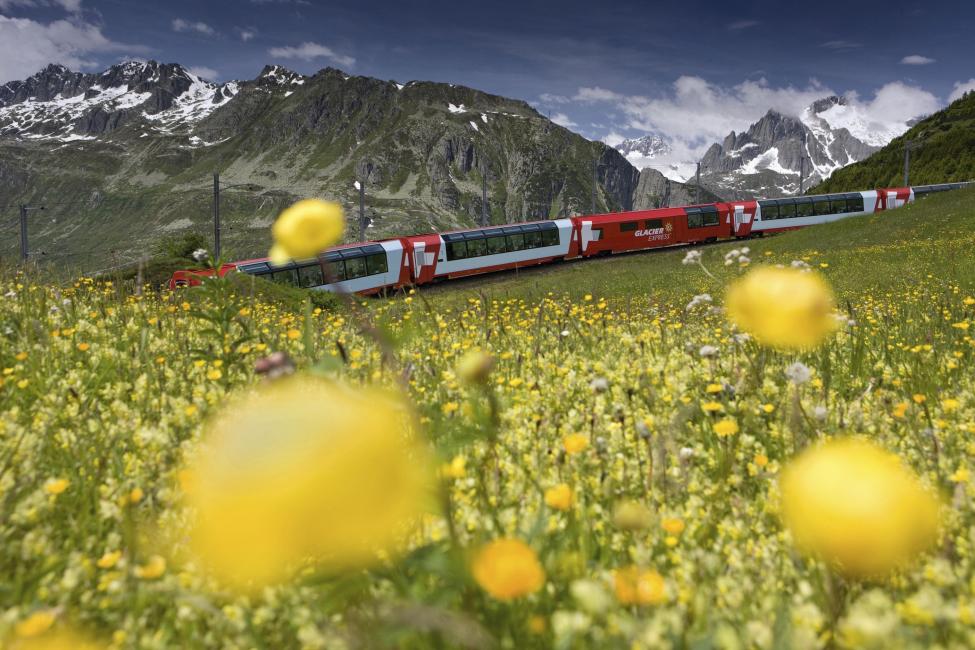
The Swiss Half Fare Card is a popular Swiss train discount card that helps you save on transportation across the country.
With this Switzerland half-fare card, you can enjoy up to 50% discounts on many types of transport, including trains, buses, boats, and mountain railways.
|
KKday’s Editor Tip: It’s a practical option if you are planning to travel between multiple cities or explore scenic alpine routes, as the Swiss rail discount card applies to much of the country’s public transport network. |
Swiss Travel Pass
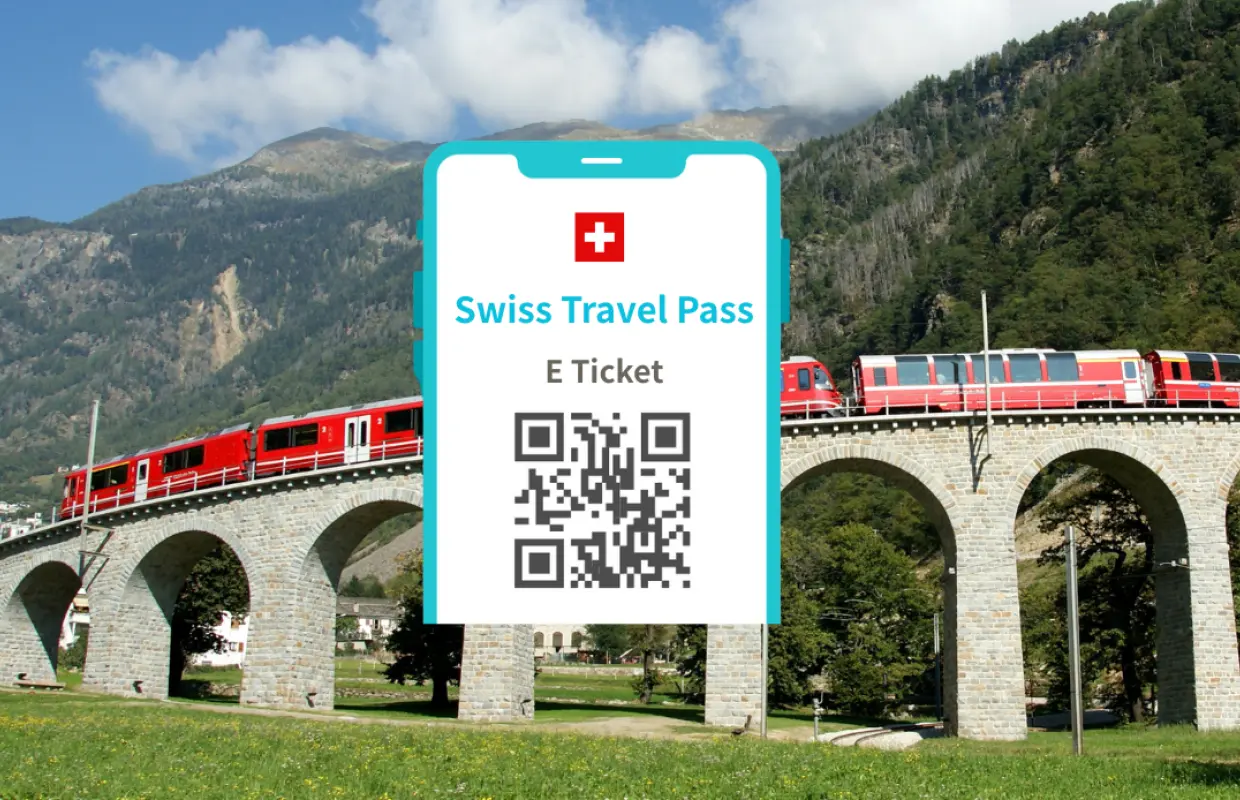
The Swiss Travel Pass is available in consecutive-day or flexible-day options, making it one of the most convenient Swiss rail passes for exploring the country.
During the valid period, you can enjoy unlimited travel on trains, buses, and boats across Switzerland’s public transport network.
Most scenic trains are included with the pass, while a few panoramic routes and mountain railways offer discounted fares.
Another major Swiss Travel Pass benefit is free entry to more than 500 museums, making it a great choice if you are planning to move around the country frequently and enjoy flexible Swiss train travel.
|
Upgrade Your Trip with Swiss Travel Pass Bundles!
|
Swiss Travel Pass Guide 2026: Unlimited Trains & Free Attractions
Top Attractions in Geneva, Switzerland
Geneva Attractions Map
Jet d’Eau & Lake Geneva: The City’s Most Iconic Landmark
The Jet d’Eau is one of Geneva’s most iconic landmarks, rising 140 metres above Lake Geneva. You can walk along the lakeside to get close to the fountain and enjoy views of the lake and surrounding mountains.
For a more complete experience, you can join a Geneva city tour with Jet d’Eau, a boat cruise, and an apéro (from USD 18), combining guided sightseeing, a short cruise on the lake, and local specialities.
You can also discover two cities in one day on a guided Annecy and Geneva tour with a lake cruise (from USD 190), covering Old Town highlights, lakeside views, and a scenic cruise in one itinerary.
|
Lake Geneva/Jet d’Eau ► Address: Quai Gustave-Ador, 1207 Genève, Switzerland (Google Map) |
Palais des Nations
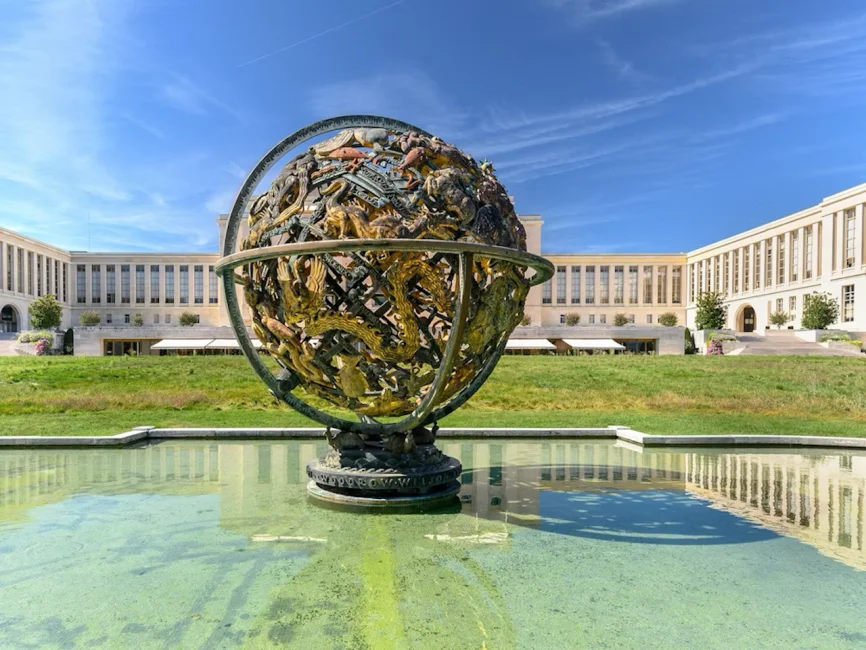
The Palais des Nations is where world leaders meet, but visiting the area feels unexpectedly peaceful. Set within Ariana Park, you can stroll past rows of national flags, spot peacocks wandering freely, and take in views of Lake Geneva.
For a deeper look, join a Geneva city tour through the international district (from USD 100), where you travel by bus past the United Nations and other global institutions while hearing how Geneva became a hub for diplomacy.
The experience also includes a guided Old Town walk, a mini train ride through historic streets in good weather, and a one hour Lake Geneva cruise, giving you a complete view of the city in one trip.
|
Palace of Nations ► Address: 8, Av. de la Paix 14, 1202 Geneva, Switzerland (Google Maps) |
The International Red Cross and Red Crescent Museum is a unique museum centred on the theme of humanitarian aid. This powerful mission is inspired by Henry Dunant, the founder of the International Committee of the Red Cross.
Inside, the museum is divided into several exhibition zones that use art, technology, and multimedia installations to explore the realities of war, humanitarian rescue, and the impact on human lives.
Even though the topics can be serious, the museum presents them in an engaging and accessible way, helping visitors better understand the meaning and importance of humanitarian work.
It is an eye-opening experience that encourages reflection and offers a deeper appreciation of global humanitarian efforts.
|
International Red Cross and Red Crescent Museum ► Address: Av. de la Paix 17, 1202 Geneva, Switzerland (Google Maps) |
Geneva Museum of Art and History

Located in the eastern part of the Old Town, the Geneva Museum of Art and History is the largest museum in the city, housing more than 70,000 works ranging from prehistoric artifacts to modern art.
The collection spans archaeology, fine arts, jewelry, textiles, paintings, and musical instruments, making the exhibits incredibly rich and diverse!
Permanent exhibitions are usually free to enter, and visitors can also make voluntary donations if they wish. Special exhibitions are held from time to time and may require separate tickets.
Overall, it’s a cultural attraction with excellent value and a great stop for anyone interested in Geneva sightseeing!
|
Geneva Museum of Art and History ► Address: Rue Charles-Galland 2, 1206 Genève, Switzerland (Google Map) |
St. Pierre Cathedral
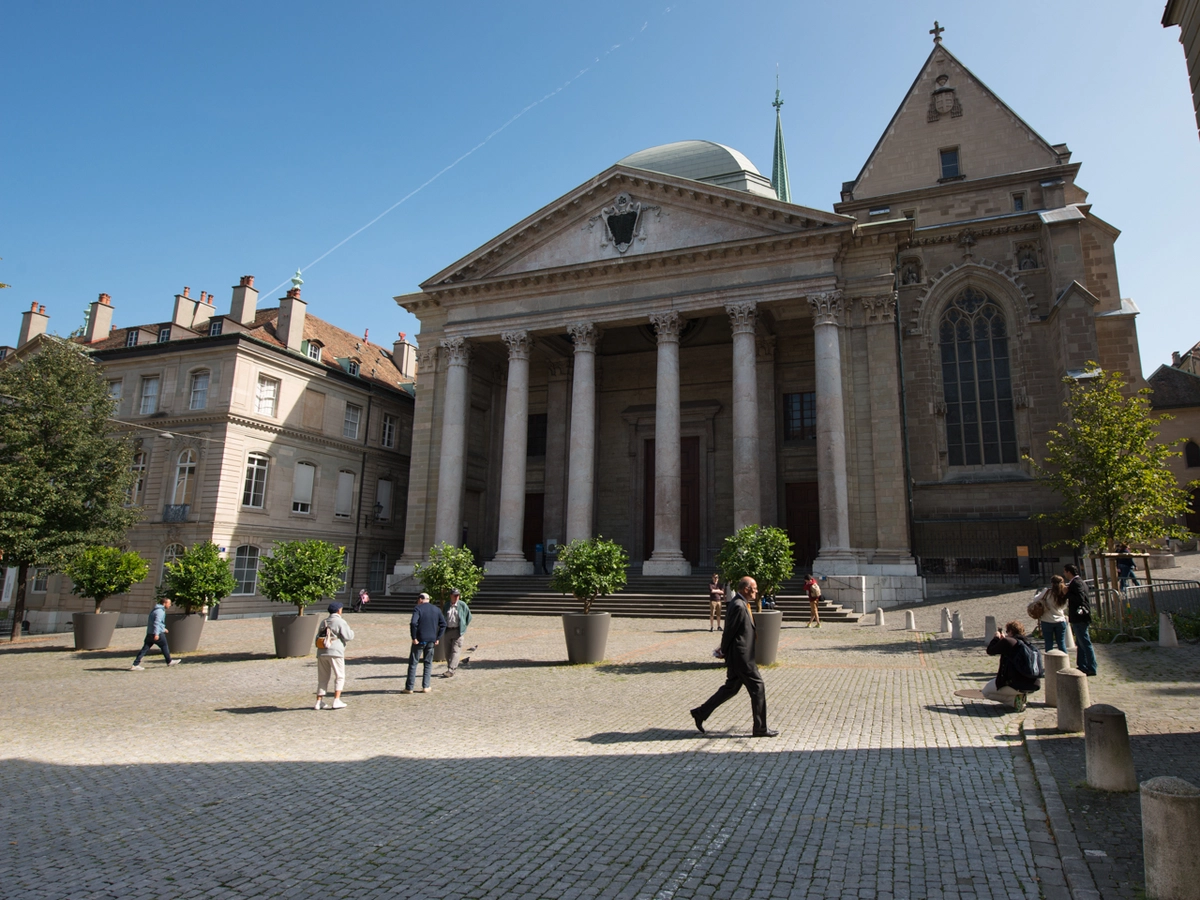
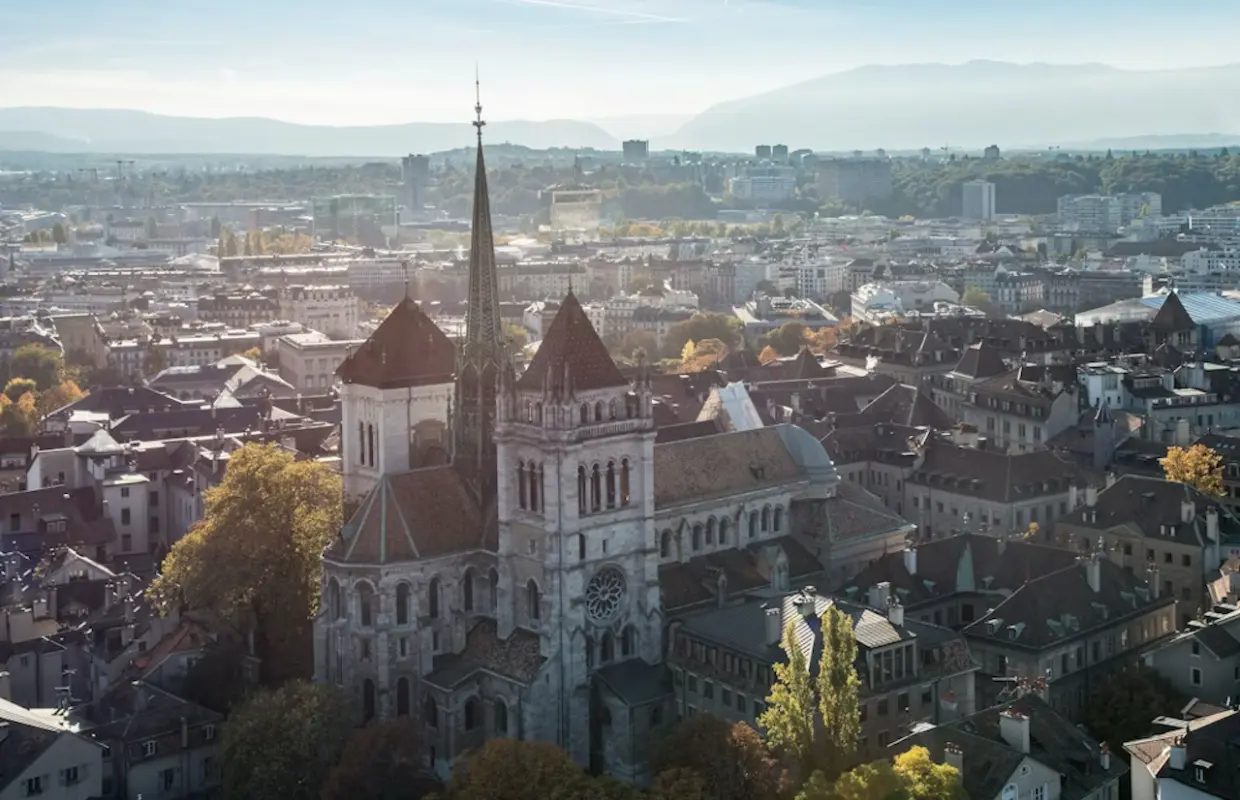
Set at the highest point of the Old Town, St. Pierre Cathedral offers sweeping views over Geneva and a quiet, historic atmosphere.
The short walk up leads you to a striking blend of Romanesque and Gothic architecture.
Inside, its simple design reflects Calvinist influence, and you can spot details like John Calvin’s wooden chair.
In addition to visiting the cathedral itself, it is recommended to purchase a ticket to climb the tower. From the top, you can enjoy panoramic views of Geneva’s cityscape and Lake Geneva, and even catch a glimpse of the famous fountain.
|
St. Pierre Cathedral ► Address: Cr de Saint-Pierre, 1204 Genève, Switzerland (Google Map) |
L’Horloge Fleurie (Geneva Flower Clock)

The Flower Clock L’Horloge Fleurie is one of the most famous Geneva attractions, and a must-see spot for Geneva sightseeing!
Its colourful floral design also makes it one of the most popular places to visit in Geneva for photos!
Built in 1955, the clock sits inside the English Garden beside Lake Geneva.
The display is created using thousands of flowers and plants that change with the seasons, so the colours and patterns look different throughout the year.
The clock actually keeps accurate time, and its second hand measures about 2.5 meters long, making it one of the longest clock second hands in the world!
|
Flower Clock L’Horloge Fleurie ► Address: Quai du Général-Guisan 28, 1204 Geneva, Switzerland (Google Maps) |
Rousseau House
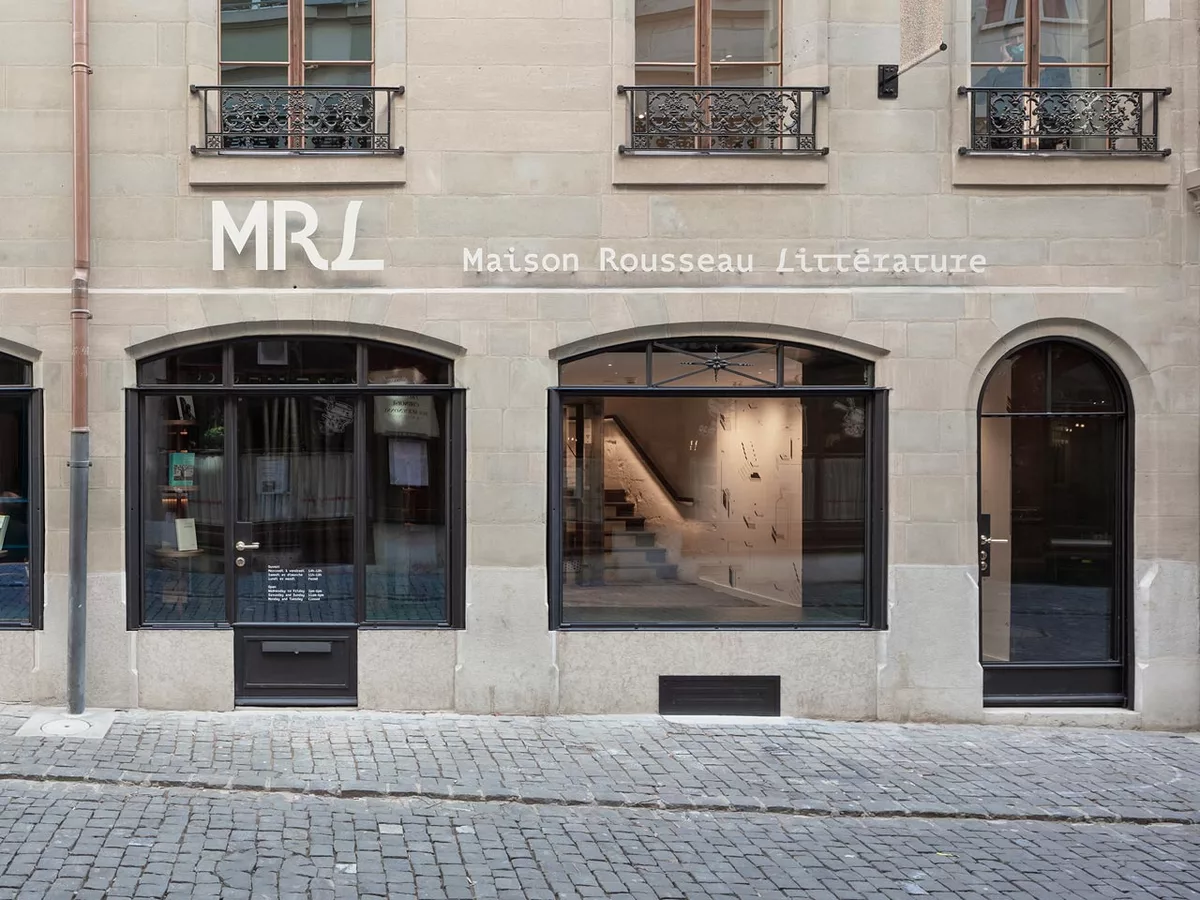
Jean Jacques Rousseau was one of the most influential thinkers of the 18th century Enlightenment.
His ideas shaped the development of modern democratic thought and played an important role in inspiring the French Revolution.
You may recognise his famous work, The Social Contract, which is often studied in history and political science classes.
Rousseau once lived in Geneva’s Old Town, and his former residence has now been turned into a small museum.
You can learn about his life and ideas through multimedia guides and interactive exhibits, making it an interesting cultural stop to explore the historic district.
|
Rousseau House ► Address: Grand-Rue 40, 1204 Geneva, Switzerland (Google Maps) |
How to Plan Your 10-Day Switzerland Itinerary
Planning a Switzerland itinerary can feel overwhelming, but a classic route lets you experience many highlights in one trip.
Start in Zurich, where you can stroll through the Old Town, enjoy a boat ride on Lake Zurich, and visit the famous Lindt Home of Chocolate.
Continue to Lucerne to explore the scenic lake, admire the iconic Kapellbrücke, and take a trip up Mount Pilatus.
Next, experience the breathtaking Jungfraujoch, often called the Top of Europe. Afterwards, wander through the historic Old Town of Bern before heading to Zermatt to see the iconic Matterhorn.
This route offers an unforgettable journey through some of the most beautiful places in Switzerland.
Zurich
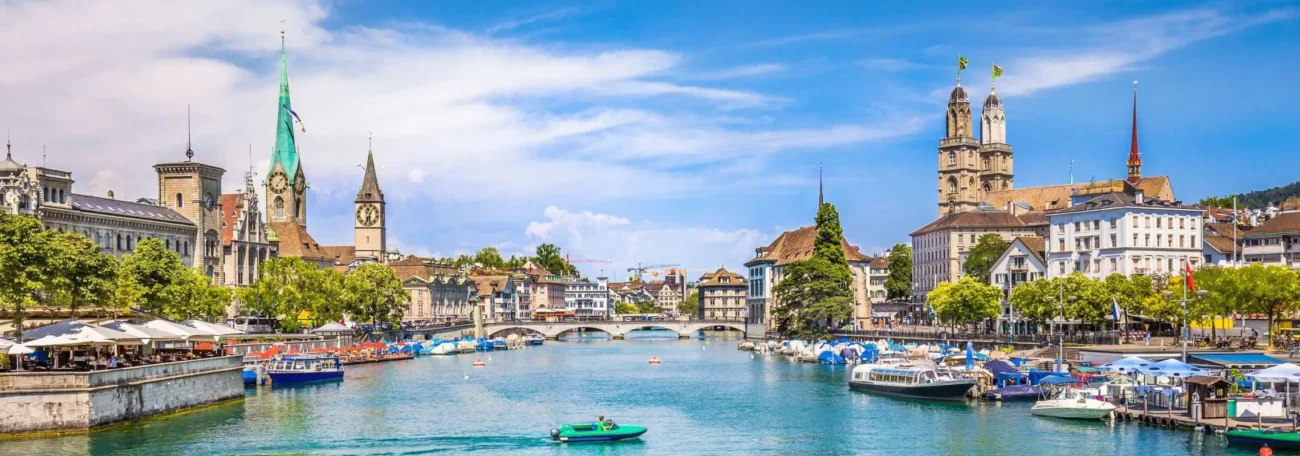
Zurich is Switzerland’s largest city, where historic streets meet a lively cultural scene and lakeside views.
As you explore, you will find charming lanes in the Old Town, museums filled with art and history, and relaxed spots along the Limmat River and Lake Zurich.
You can wander through the Old Town, visit well known spots like the Lindt Home of Chocolate, or simply spend time enjoying cafés and shops around the city.
To experience the highlights with ease, join a Zurich Half Day Guided Old Town Tour with Lake Zurich cruise (from USD 50), where you explore historic streets with a guide before relaxing on a scenic lake cruise.
If you want more, you can opt for a Zurich tour with a cruise and a visit to the Lindt Museum (from USD 100), combining city sights with a visit to one of Switzerland’s most famous chocolate attractions.
Lucerne
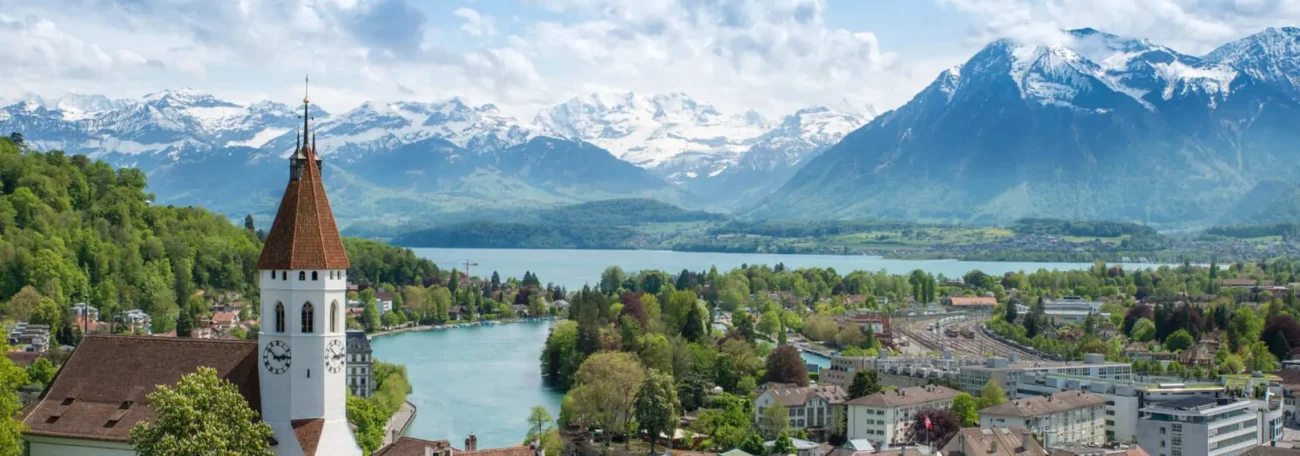
Lucerne is one of Switzerland’s most iconic cities, where lakeside views, mountain backdrops, and historic streets come together in one place.
Walking along the Reuss River, you will pass the famous Kapellbrücke and charming Old Town streets filled with colourful buildings.
Take your time exploring landmarks like the Lion Monument, enjoy a coffee by the lake, or simply soak in the relaxed atmosphere that makes the city feel easy to wander.
To experience the surrounding landscapes, join a Mount Titlis day tour from Lucerne (from USD 180), where you travel up to snow covered peaks and glacier views.
You can also explore nearby mountains like Mount Pilatus or Mount Rigi, both known for their panoramic views and scenic rides.
Jungfraujoch
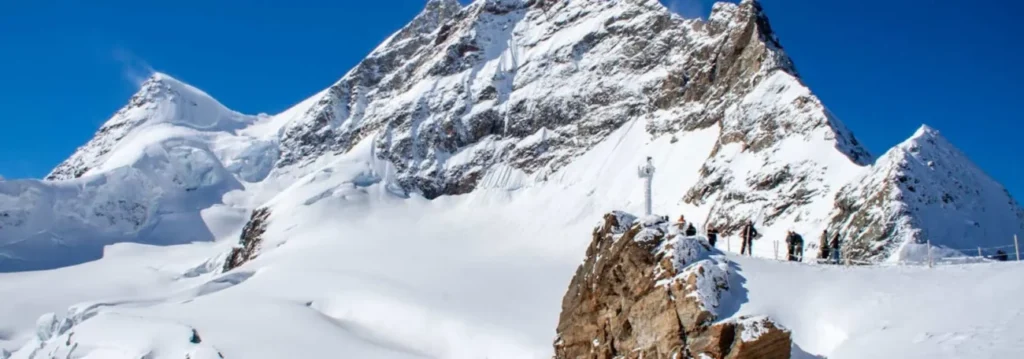
Known as the Top of Europe, Jungfraujoch is one of Switzerland’s most iconic alpine destinations, located in the Bernese Alps.
The journey itself is part of the experience, as you ride a scenic train through tunnels carved into the mountains.
At the summit, you can visit the Sphinx Observatory, walk through the Ice Palace, and take in sweeping views of snow covered peaks and the vast Aletsch Glacier.
You can visit on a Jungfraujoch day tour from Lucerne or Zurich (from USD 330), which includes the full train journey to Europe’s highest railway station and time to explore the summit.
If you prefer a different alpine experience, a Grindelwald day tour (from USD 120) offers scenic mountain views and a full day in the Swiss Alps.
| Day Tour Itinerary | Price | Guide Language | Duration |
|---|---|---|---|
| Jungfrau Day Tour | from USD 330 | English, or Chinese | About 7 hours 15 minutes |
| Grindelwald Day Tour | From USD 120 | English | About 10–12 hours |
Jungfraujoch 2026: How to Save 50% with Swiss Travel Pass & Avoid Crowds
Bern
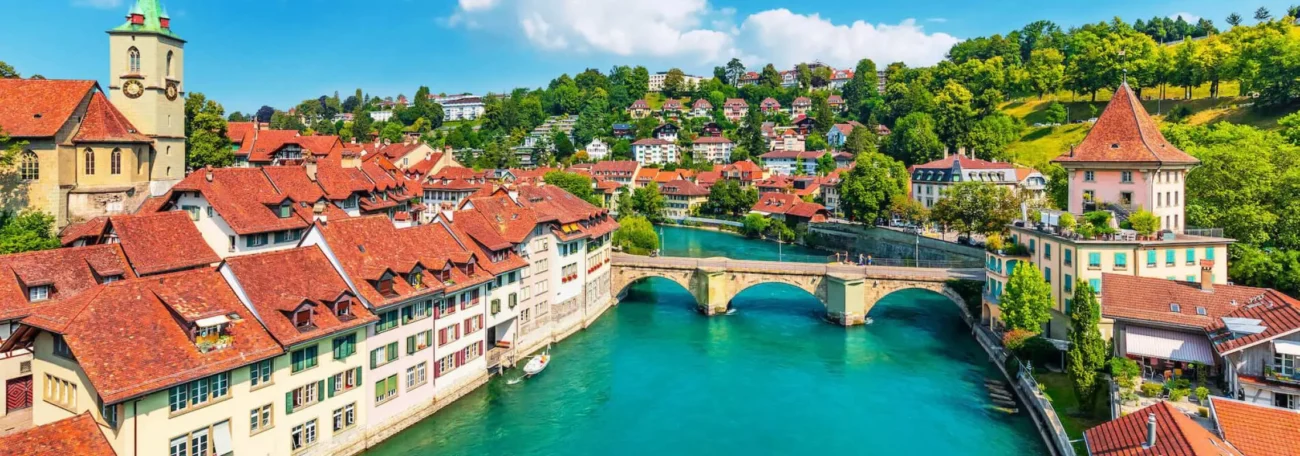
Bern, Switzerland’s capital, feels like stepping into a storybook with its medieval Old Town and views along the Aare River.
As you explore, you will come across the Zytglogge clock tower, charming fountains, and historic streets.
Take your time walking under the arcades, browsing small shops, or relaxing by the river while enjoying the city’s calm atmosphere.
|
KKday’s Editor Tip: To explore the region more easily, consider the Regional Berner Oberland Pass (from USD 289), which offers seamless travel between top destinations with included trains, buses, and boats, plus free or discounted mountain railway access. |
Zermatt
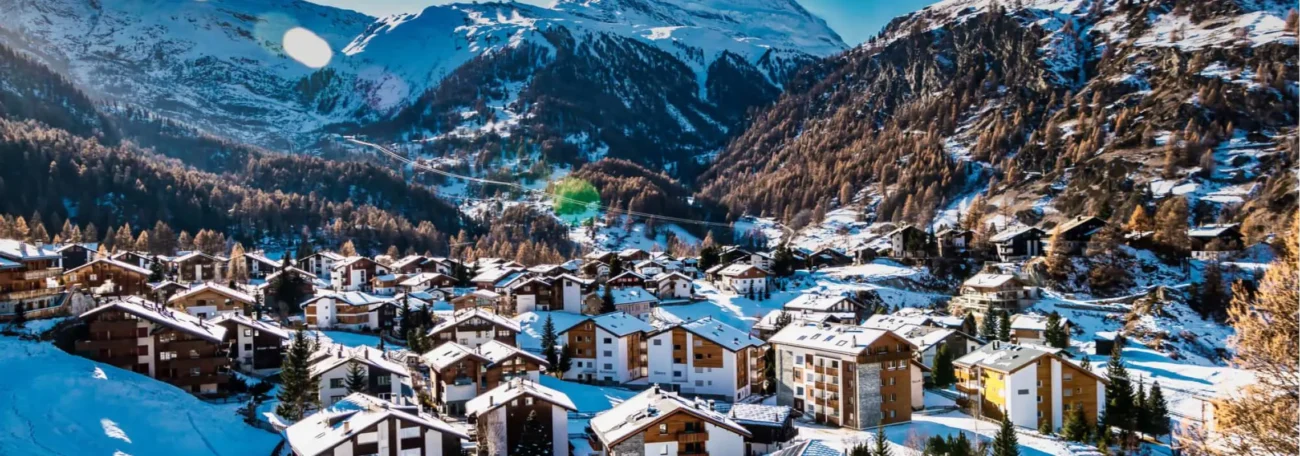
Set beneath the iconic Matterhorn, Zermatt is a peaceful car free mountain village where alpine views feel close at every turn.
You can stroll through the village, breathe in the crisp mountain air, and enjoy a slower side of Switzerland surrounded by dramatic peaks.
From here, one of the best experiences is riding the Gornergrat Bahn from Zermatt (from USD 60), which takes you up to sweeping views of the Matterhorn and surrounding Alps.
If you want more flexibility, the Zermatt Peak Pass (from USD 6) covers unlimited travel on key lifts and mountain trains, including Gornergrat and Matterhorn Glacier Paradise.
For added savings, you can pair your trip with a Swiss Half Fare Card, which gives you 50% off many journeys across Switzerland and also applies to the Gornergrat Railway.
This makes it a useful option if you plan to combine Zermatt with other train and mountain trips.
Geneva, Switzerland Travel FAs
When is the best time to visit Switzerland?
Switzerland is a year-round destination with four distinct seasons.
Summer, from June to August, offers pleasant weather, while spring and autumn give you fewer crowds and better value.
How many days should I spend in Switzerland?
Around 7 to 10 days is ideal to explore major cities and scenic regions at a comfortable pace.
If you are travelling long haul or want to include mountain destinations, consider extending to 10 to 14 days.
How much does a trip to Switzerland cost?
Switzerland is considered a premium destination with higher travel costs.
You may spend around CHF 150 to 250 per day (approximately USD 170 to 280), depending on accommodation, transport, and activities.