


Luxor Mummification Museum Day Tour With East Bank Luxor
- Visit Luxor Mummification Museum with your private guide.
- Start the day with Karnak Temple Tour on the East Bank.
- Continue to Luxor Museum Tour for cultural explanation.
- Explore Luxor Temple Tour after the museum section.
- Follow Avenue Of Sphinxes Tour according to local timing.
- Enjoy a focused East Bank route without West Bank stops.
- Select English, Italian, German, French, Spanish, or Russian.
- Book privately for 1 to 9 participants in your group.
- Choose tickets and lunch included or exclude both services.
- Pickup details are confirmed one day before your activity date.
Package Options
Product Info
Begin your private East Bank Luxor experience with pickup from your hotel or selected pickup point, then travel by private air-conditioned vehicle with your guide. This tour is created for travelers who want a cultural route that gives proper space to Luxor Mummification Museum while still including the major East Bank temple and museum highlights listed in the itinerary. Transfer time may vary depending on your hotel location, and your final pickup details will be confirmed one day before your activity.
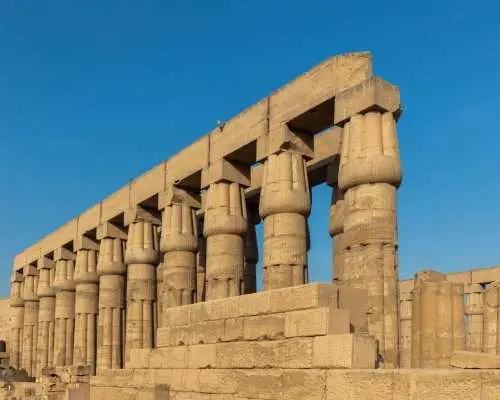
The day begins with Karnak Temple Tour, giving the route a powerful ancient opening. Karnak introduces Luxor through temple architecture, open spaces, historic atmosphere, and guided storytelling. With your selected guide language, the visit becomes easier to follow, as your guide explains the site according to the confirmed package, ticketing flow, access conditions, and daily timing. This first stop creates a strong foundation before moving into the museum-focused part of the day.
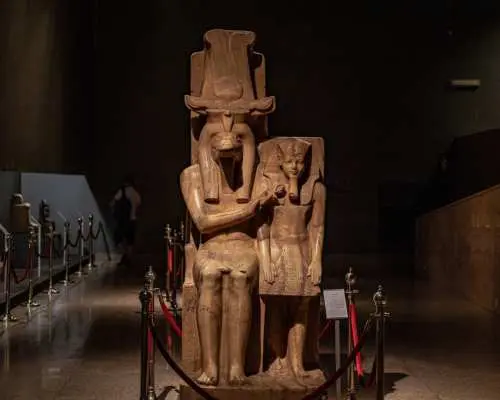
After Karnak, continue to Luxor Museum Tour. This visit gives the itinerary a quieter rhythm, allowing guests to move from large temple spaces into a more organized cultural setting. The museum section helps connect ancient Luxor’s monuments with selected historical displays and guided explanation. It is a useful transition before the route continues to the more specialized Luxor Mummification Museum.
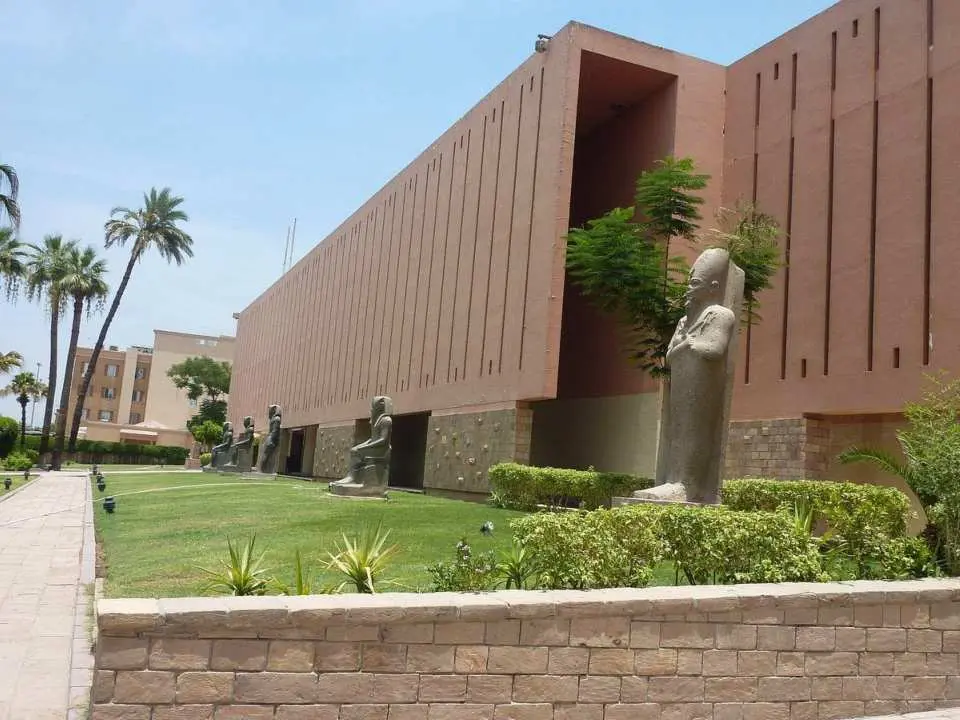
The next stop is Luxor Mummification Museum, the main keyword focus of this product. This visit adds a distinctive educational layer to the East Bank route, introducing ancient Egyptian preservation traditions, beliefs, and cultural practices according to the museum’s operation and confirmed package. Instead of treating the museum as a quick side stop, the route presents it as an important part of understanding ancient Egyptian culture beyond temples and open-air monuments.
After the museum visits, continue to Luxor Temple Tour. This section brings the experience back into the atmosphere of ancient architecture and city heritage. Your guide helps connect the temple visit with the earlier Karnak and museum sections, so the day feels like one clear East Bank story rather than separate locations.
The itinerary also includes Avenue Of Sphinxes Tour, arranged according to timing, access conditions, and local operation. This final section adds a strong historic connection to the day, linking Luxor’s temple landscape with one of the city’s most recognizable ancient routes. The experience remains focused on the listed East Bank landmarks and does not include West Bank tombs, balloon rides, Nile sailing, or extra stops unless clearly booked through another product.
Luxor Mummification Museum Day Tour With East Bank Luxor
This main option follows the provided itinerary: Karnak Temple Tour, Luxor Museum Tour, Luxor Mummification Museum, Luxor Temple Tour, and Avenue Of Sphinxes Tour. After selecting the tour, guests can customize the booking through the available sub-options. Tour guide language can be selected from English, Italian, German, French, Spanish, or Russian. Participant number can be selected from 1 to 9 participants. Package type can be selected as with tickets and lunch included or without tickets and lunch.
If the with tickets and lunch package is selected, the listed required entry tickets and lunch are included according to the confirmed booking. Lunch location may vary depending on timing and daily operation, so guests should not expect one fixed restaurant. If the without tickets and lunch package is selected, the tour still includes private transport, guide service, and the guided East Bank route, but entry tickets and lunch are not included and must be paid separately if needed.
These selections apply only to the selected tour option, so guests should review the guide language, participant number, package type, and confirmed itinerary carefully before purchase. The visit order may change due to traffic, temple access, museum opening conditions, ticketing flow, local operation, prayer times, or daily scheduling, but the intended route remains focused on Luxor Mummification Museum and the listed East Bank highlights.
Please ensure the phone number provided during booking is connected to WhatsApp for quick pickup and timing updates. If it is not connected to WhatsApp, kindly share an alternative number in advance.
Your tour begins with pickup from your hotel or selected pickup point. Transfer time may vary depending on your hotel location, and final pickup details are confirmed one day before the activity. After meeting your guide and driver, travel by private air-conditioned vehicle to begin the East Bank route. Start with Karnak Temple Tour according to the selected language, confirmed package, ticketing process, and site access. Continue afterward to Luxor Museum Tour, where your guide introduces the museum visit according to opening conditions and daily timing. After Luxor Museum, continue to Luxor Mummification Museum according to the confirmed package, access conditions, and local operation. The route then continues to Luxor Temple Tour, followed by Avenue Of Sphinxes Tour according to timing and local operation. Lunch is included only if the with tickets and lunch package is selected. If the without tickets and lunch package is selected, lunch is not included. Entry tickets are included only when the ticket-included package is selected. At the end of the tour, return by vehicle for drop-off.

Purchase Notice
- Please check the selected main option carefully before purchase.
- Sub-options apply only to the selected tour option.
- Available guide languages are English, Italian, German, French, Spanish, and Russian.
- Participant selection is available from 1 to 9 participants.
- Package type may be with tickets and lunch or without both.
- With tickets and lunch includes listed required entries and lunch.
- Luxor Mummification Museum details depend on the package.
- Without tickets and lunch excludes entry fees and lunch.
- Pickup time may vary depending on your hotel location.
- Final pickup details will be confirmed one day before the activity.
- Please provide a WhatsApp-connected phone number for updates.
- If your number has no WhatsApp, share an alternative number early.
- Temple access may depend on local operation and daily timing.
- Museum access may depend on opening conditions and timing.
- Lunch location may vary according to daily operation and timing.
- Drinks and personal expenses are not included.
- West Bank visits are not included unless clearly listed.
- Hot air balloon and Nile sailing are not included.
- The visit order may change due to traffic or local operation.
- Comfortable shoes are recommended for East Bank walking areas.
How to Use
How to Use Your Voucher
- Please present the e-voucher on-site
FAQ
The Luxor Mummification Museum offers a specialized insight into ancient Egyptian mummification techniques and beliefs. Visitors can explore exhibits showcasing mummified humans and animals, tools used in the process, canopic jars, and other artifacts related to funerary rituals. The museum provides detailed explanations of preservation traditions and their significance in ancient Egyptian culture, offering a unique educational experience on death and the afterlife.
The Luxor Museum focuses on a broader range of ancient Egyptian art and artifacts, providing a quieter cultural section. While it may not specialize in mummies like the Mummification Museum, it houses impressive collections from the New Kingdom, including statues, stelae, and items from Tutankhamun's tomb and the Karnak cachette. It offers a comprehensive overview of Luxor's history through its extensive artistic and archaeological treasures.
A private guided tour of Luxor's East Bank typically includes several significant ancient sites. You will visit the vast Karnak Temple Complex, explore the comprehensive collections at the Luxor Museum, delve into ancient preservation techniques at the Luxor Mummification Museum, and discover the grandeur of Luxor Temple. The tour also covers the historic Avenue of Sphinxes, connecting Karnak and Luxor Temples.
The visiting duration for Karnak Temple and Luxor Temple can vary. Generally, Karnak Temple, being a vast complex, requires approximately 2 to 3 hours for a thorough exploration with a guide. Luxor Temple is smaller and can be explored in about 1.5 to 2 hours. These timings allow for appreciating the detailed architecture, hieroglyphs, and history of each site without feeling rushed.
Choosing a focused East Bank tour without West Bank stops allows for a deeper and more concentrated exploration of the East Bank's specific highlights. This approach maximizes time at sites like Karnak Temple, Luxor Temple, and the Mummification Museum, ensuring a thorough cultural and historical understanding without rushing between the two banks. It’s ideal for travelers who prefer to immerse themselves fully in one area's rich heritage.
At the Luxor Mummification Museum, visitors can expect engaging storytelling and detailed interpretation provided by a private guide. The explanations will focus on the intricate process of mummification, ancient Egyptian beliefs about the afterlife, and the cultural significance of these preservation traditions. The guide will help bring the historical themes to life, offering a deeper understanding of the exhibits and their context.
The Avenue of Sphinxes is a magnificent historical processional path connecting Karnak Temple and Luxor Temple. Its primary highlight is the sheer scale and number of well-preserved sphinx statues lining the route, many with ram heads. This avenue offers unique photography opportunities, especially at dawn or dusk when the light emphasizes the intricate details of the sphinxes and the temples in the background, creating a dramatic historical ambiance.
Private transport provides comfortable, air-conditioned travel between sites, saving time and avoiding public transit complexities. This ensures a relaxed pace tailored to your group. Selecting your guide language (English, Italian, German, French, Spanish, or Russian) guarantees clear, personalized explanations and allows for direct interaction, enhancing understanding of the ancient sites and cultural context throughout your East Bank tour.
Get Help


