

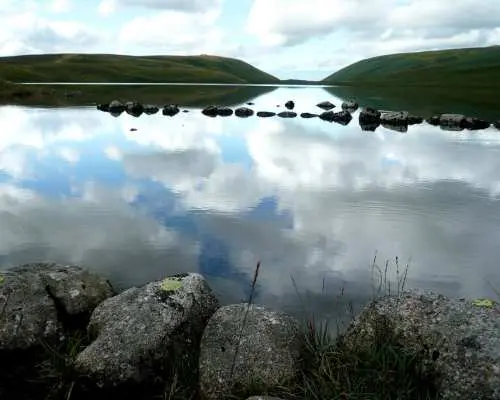

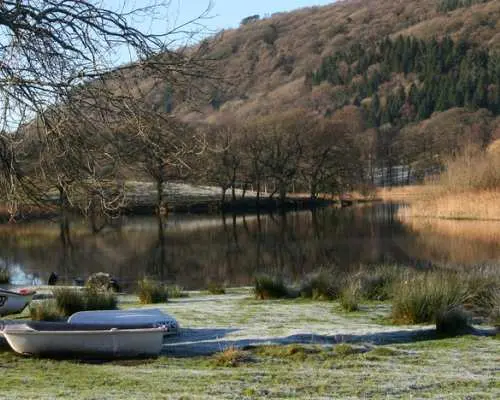

Day Tour from London: Lake Windermere & Afternoon Tea at Lindeth Howe Country Hotel
Visit England's most scenic areas on this full day tour. Discover Lake Windermere then enjoy a deliciously British cream tea at Beatrix Potter’s family home, Lindeth Howe.
- Visit the biggest natural lake in the UK, Lake Windermere, and admire its beauty
- Explore the antiquated medieval village, Hawkshead
- Savor a fine afternoon tea at Lindeth Howe Country Hotel
Package Options


Product Info
- What You Can Expect -
Head to Euston Station to kick off the tour and venture to the Lake District National Park. Arrive in Oxenholme and appreciate the magnificent Lake Windermere and the beautiful surroundings. Visit a quaint village named Hawkshead and stroll on the cobblestone pavements.
Pay Hill Top Farm a visit, where the famous writer, Beatrix Potter, once lived, and find out what inspired her to write. At the Wray Castle, you can access vantage points to overlook the picturesque Lake Windermere. In the afternoon, treat yourself to a luxurious afternoon tea at Lindeth Howe Country Hotel before heading back to Oxenholme, where you will take a train to London.
Feast your eyes on the idyllic landscape
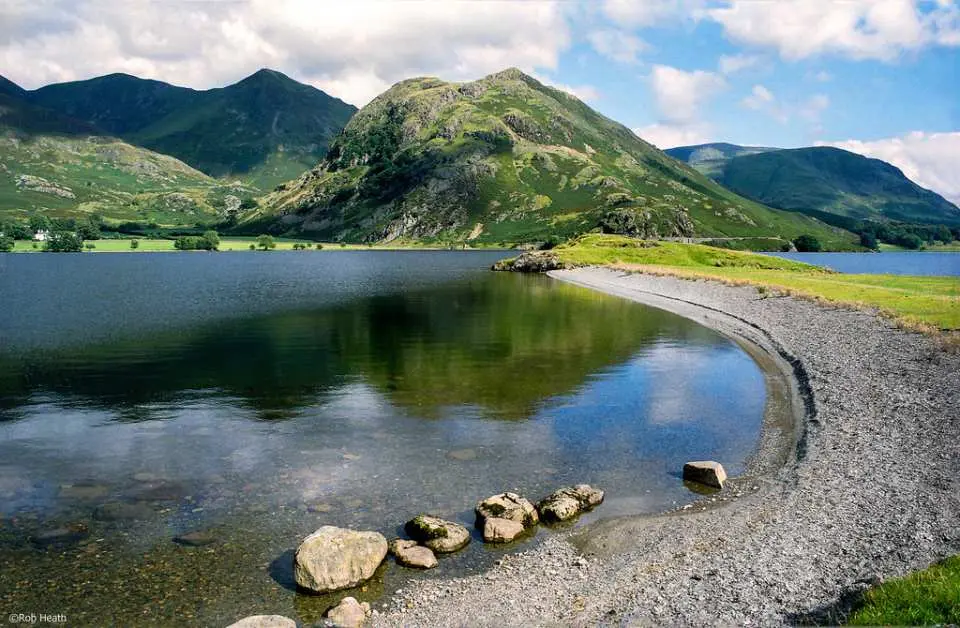
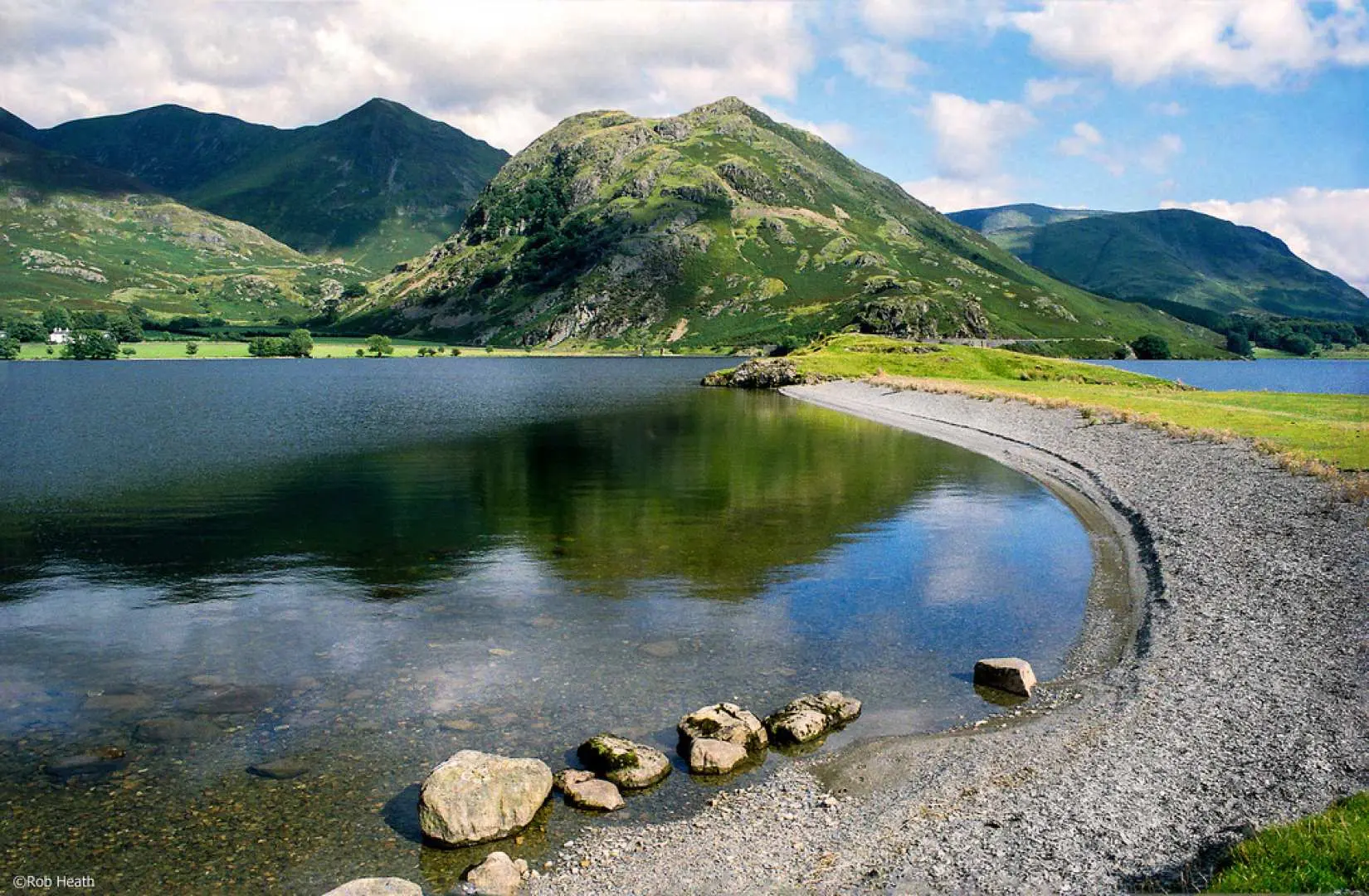
Check out the enormous Lake Windermere


See the elegant Lindeth Howe Country Hotel
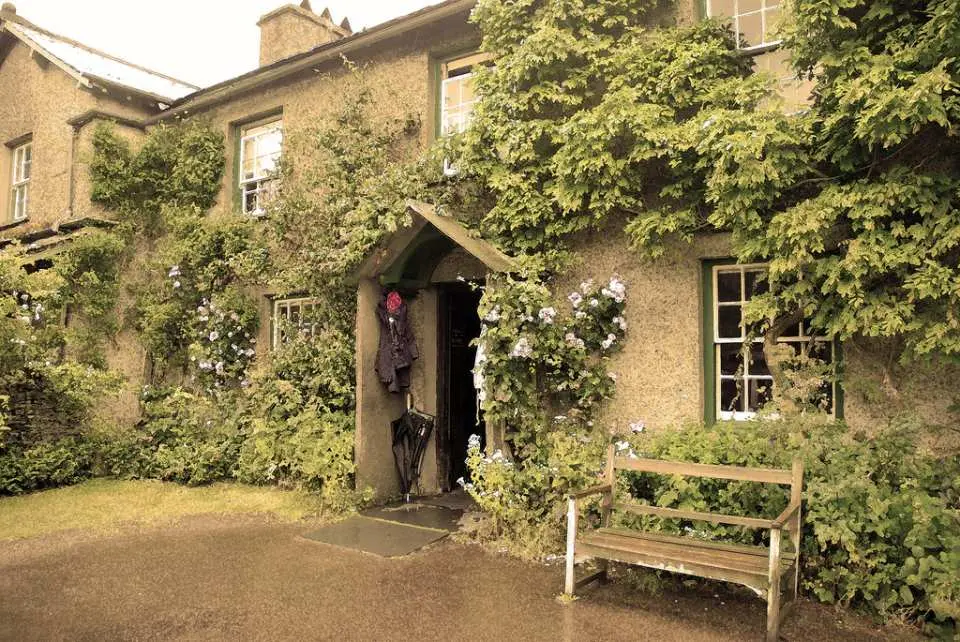

Visit Beatrix Potter's hometown


Purchase Notice
- Children aged under 5 are not allowed to join the tour due to safety concerns
- In winter, Hill Top will only open on specific holidays, please visit National Trust's website for more information
Reminders
Confirmation will be received within 48 hours of booking
Cancellation Policy
- Once the order has been completed, it cannot be canceled, modified, or refunded
- Due to time zone differences, the confirmed cancellation date is based on the supplier’s local time. Please allow 2–5 business days to process your cancellation request, after which the cancellation fee will be charged according to the product’s cancellation policy. Once the cancellation is confirmed, you will receive your refund within 14 working days.
FAQ
Lake Windermere is renowned for being the largest natural lake in England, offering breathtaking scenic beauty with its expansive waters and surrounding fells. It has inspired numerous artists and writers, including Beatrix Potter and William Wordsworth. Its fame also stems from a wide array of watersports, charming lakeside towns, and accessible hiking trails that showcase the stunning landscape of the Lake District National Park.
Yes, swimming is generally permitted in Lake Windermere, and it's a popular activity, especially during warmer months. Many areas are suitable for open water swimming, though it's always advisable to be aware of boat traffic, water temperature, and to follow local safety guidelines. Designated swimming spots often have clearer access points, and some organised events or specific areas might offer better facilities.
Yes, Lake Windermere holds the distinction of being England's largest natural lake. It stretches over 10.5 miles (17 kilometers) in length and reaches a maximum depth of about 219 feet (67 meters). Its impressive size contributes significantly to its majestic appearance and reputation as a major natural landmark within the Lake District National Park.
While the broader Lake District has been a backdrop for various films and television shows due to its dramatic landscapes and atmospheric beauty, Lake Windermere itself has not been a specific filming location for the Harry Potter series. Other scenic locations within the UK have been used for those films. However, the area's natural charm aligns with the magical settings often seen in fantasy productions.
The most convenient way to reach the Lake Windermere area by public transport is via train to Windermere station. From major cities like London, you can take a direct train to Oxenholme Lake District, then transfer to a local service to Windermere. Buses also connect Windermere and Bowness-on-Windermere to other towns in the Lake District, offering scenic routes and access to various points around the lake.
The Windermere ferry, specifically the car ferry crossing between Bowness and Ferry House, typically accepts card payments, including debit and credit cards. While cash may sometimes be an option, it is generally recommended to have a card ready for payment for convenience. It's always a good idea to check the official ferry operator's website for the most current payment information before your journey.
Yes, the towns directly bordering Lake Windermere, such as Windermere and Bowness-on-Windermere, are very walkable with well-maintained pathways connecting various attractions, shops, and restaurants. There are also numerous scenic walking trails around the lake, ranging from gentle strolls to more challenging hikes, offering diverse perspectives of the landscape and access to viewpoints.
Yes, the town of Windermere has its own train station, simply called Windermere. This station is the terminus for the Lakes Line, which connects to Oxenholme Lake District station on the West Coast Main Line. This provides convenient rail access to the heart of the Lake District for visitors arriving from across the UK, making it a popular gateway to the region.
Get Help


