



Mohare Danda Himalayan Escape: Nature, Culture & Views
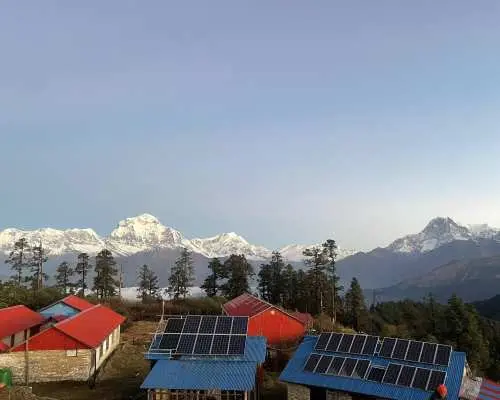
- Spectacular Himalayan Views: 360° panoramas of Annapurna South, Dhaulagiri, Machhapuchhre, Nilgiri, Tukuche, and Gurja Himal.
- Eco-Community Trek: Stay in community-run lodges and homestays, supporting local livelihoods and sustainable tourism.
- Cultural Immersion: Explore Magar and Gurung villages, enjoy traditional shows, local cuisine, and authentic Himalayan hospitality.
- Nature & Biodiversity: Walk through lush rhododendron, oak, bamboo, and pine forests, and terraced farmlands with orchards and local crops.
- Sunrise & Sunset Views: Experience magical sunrises and sunsets from Mohare Danda hilltop.
- Wildlife & Birdwatching: Spot native Himalayan birds, yaks, and local buffalo along scenic trails.
- Off-the-Beaten-Path: Less crowded than Poon Hill, offering a quiet, serene trekking experience.
- Family & Beginner Friendly: Moderate difficulty and well-marked trails suitable for families and beginners.
- Organic & Local Cuisine: Enjoy fresh, locally-sourced meals from community farms and lodges.
- Seamless Travel Logistics: Easy road connection from Pokhara to Galeshwor and trek ending at Nayapul, ideal for a short Himalayan adventure.
Package Options


Product Info
FAQ
1. Is the Mohare Danda Trek suitable for solo travelers?
The Mohare Danda Trek is considered moderate and features well-marked trails, making it accessible for individuals. While it offers a generally safe and community-based environment, solo travelers should always be prepared for mountain trekking conditions. Staying in community-run lodges and homestays provides a welcoming atmosphere and opportunities to connect with locals and fellow trekkers, enhancing the solo travel experience on this off-the-beaten-path route.
2. What permits are needed to undertake the Mohare Danda Trek?
Trekkers typically need two main permits for the Mohare Danda region: the Annapurna Conservation Area Project (ACAP) permit and the Trekkers' Information Management System (TIMS) card. These permits are essential for trekking in protected areas of Nepal and for recording trekker information for safety and regulation. It is highly advisable to obtain these necessary permits before commencing the trek, usually available in major cities like Kathmandu or Pokhara.
3. What makes Mohare Danda a unique trekking destination compared to other Himalayan treks?
Mohare Danda stands out as a community-based eco trek, prioritizing sustainable tourism and deep cultural immersion. Unlike more frequented routes, it offers a quieter, off-the-beaten-path experience. Trekkers stay in community-run lodges, savor organic local cuisine, and directly engage with Magar and Gurung villages, experiencing authentic Himalayan hospitality while supporting local livelihoods. The 360° panoramic mountain views, especially Annapurna South and Dhaulagiri, are also exceptionally clear and less obstructed.
4. What is the typical difficulty level and duration for the Mohare Danda Trek?
The Mohare Danda Trek is generally classified as having a moderate difficulty level, making it well-suited for beginners, families, and those seeking a less strenuous Himalayan adventure. The trails feature relatively gentle gradients. The trek typically spans around 10 days, which includes travel time to and from the starting and ending points, offering a comprehensive yet manageable journey through diverse landscapes and cultural villages.
5. Which prominent Himalayan peaks are visible from Mohare Danda's viewpoint?
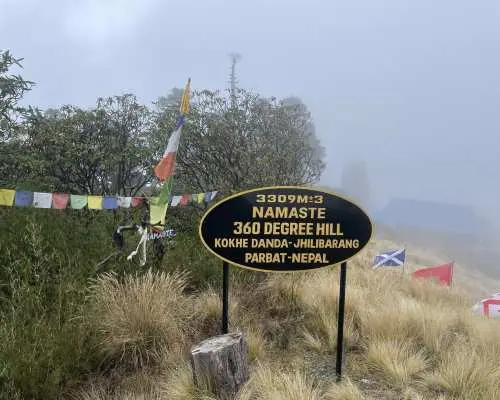
From the Mohare Danda viewpoint, trekkers are rewarded with spectacular 360° panoramas of several iconic Himalayan peaks. These include Annapurna South, the distinctive Machhapuchhre (Fishtail), Nilgiri, Dhaulagiri, Tukuche, and Gurja Himal. The elevated position of Mohare Danda at 3,300 meters provides uninterrupted vistas, which are particularly breathtaking during sunrise and sunset.
6. What cultural immersion opportunities are available in the Magar and Gurung villages during the Mohare Danda Trek?
The Mohare Danda Trek offers rich cultural immersion as it winds through authentic Magar and Gurung villages. Trekkers can experience genuine Himalayan hospitality by staying in local homestays and community-run lodges. Opportunities include enjoying traditional shows, sampling organic local cuisine sourced from village farms, and interacting directly with villagers eager to share their unique traditions, customs, and way of life.
7. What type of accommodation can trekkers expect along the Mohare Danda route?
Accommodation along the Mohare Danda route primarily consists of community-run lodges and local homestays. These options provide a unique and authentic lodging experience, allowing trekkers to immerse themselves in local life and directly support the community-based eco-tourism initiatives. Guests can generally expect basic but comfortable facilities, often with the added benefit of enjoying fresh, organic, locally-sourced meals.
8. When is the optimal season to visit Mohare Danda for the best trekking and views?
The optimal seasons for visiting Mohare Danda are typically spring (March to May) and autumn (September to November). During these periods, the weather is generally stable with clear skies, offering the best visibility for spectacular Himalayan panoramas and comfortable trekking conditions. Spring also brings the vibrant blooming of rhododendron forests, adding beautiful colors to the landscapes.


