

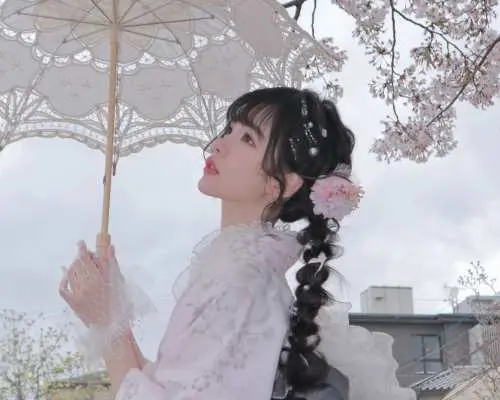
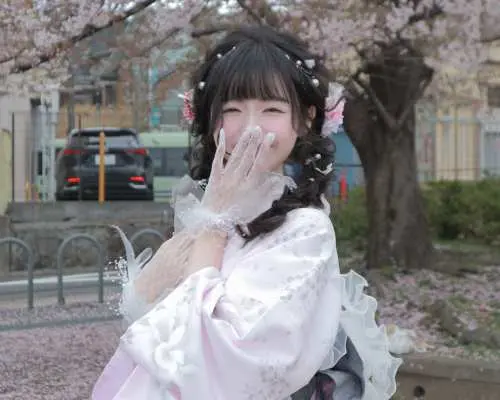


Photography & Kimono | Professional Local Photographer Travel Photography Experience | Unlimited Groups + All Original Photos Included + Free Props Loan (Provided by JBS Photo, Senso-ji Temple, Tokyo)
- Specializes in capturing natural snapshots, kimono photos, couple photos, family photos, proposal photos, and various anime-themed shots.
- The photography team is proficient in multiple languages including Chinese, English, Japanese, etc.
- The photographer will recommend less crowded, scenic locations, guide poses and expressions, and provide a variety of props.
- The original file can be obtained on the same day, and the retouching service provides natural enhancements to skin texture, face shape, and body shape.
- Retouching includes: removing unwanted objects, body shaping, facial blemish correction, skin tone adjustment, teeth whitening, and face slimming.
- JBS photo and ookini kimono have collaborated, boasting over 30 full-time and collaborating photographers, ensuring smooth photoshoots even during cherry blossom and autumn foliage seasons. ookini Kimono Experience Stores: Asakusa Raimon Store , (opening soon) - Asakusa Toei Subway A5 Exit Store. For any dissatisfaction during your experience, please contact us first at kkday@ookini-kimono.com
Package Options
Product Info
What You Can Expect
1 Day
- JBS Photo is a professional photography brand under Ookini Kimono Experience, dedicated to providing high-quality photography services to travelers and clients worldwide. JBS Photo not only offers exclusive photography services to Ookini Kimono Experience customers but also undertakes various independent photography needs, whether it's solo portraits, couple travel shoots, family portraits, or group event documentation, all tailored to create the most suitable solution. Currently, the brand has professional photography studios in Kyoto and Tokyo. As of October 2025, JBS Photo has 17 full-time photographers and over 60 collaborating photographers, enabling professional matching based on client needs to ensure a high-standard, professional, and personalized photography experience. We believe that every photoshoot is a unique journey. JBS Photo will use its professional skills and attentive service to help you capture your most precious moments and create beautiful memories that are uniquely yours.
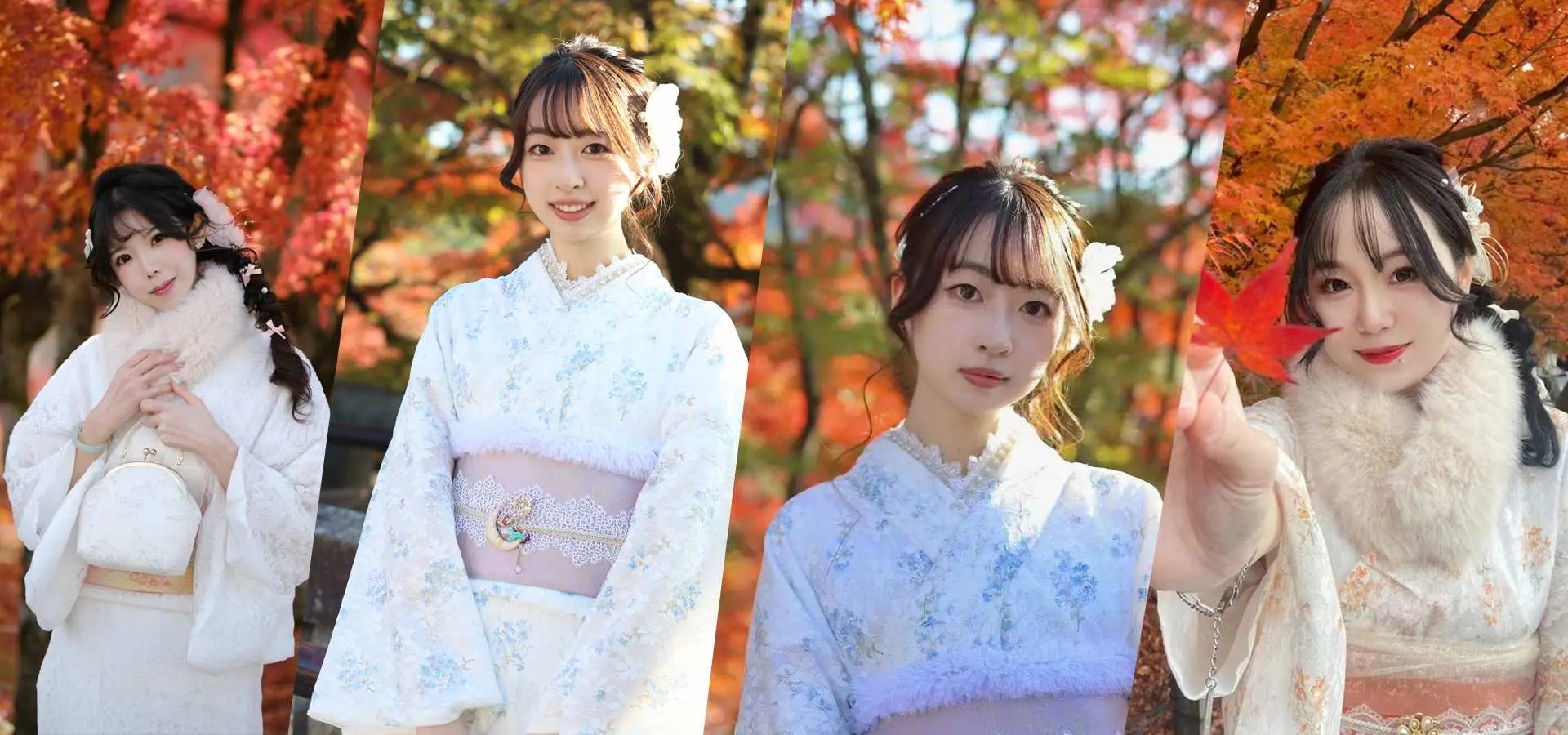
- JBS Photo specializes in kimono photography, offering both classic and niche styles. We excel at guiding poses and expressions, making us especially suitable for shy clients. Original files are delivered the same day, and retouched photos are completed within 48 hours – fast and professional.
- Transparent pricing, no arbitrary price increases. We will not charge extra for increased numbers of customers; we will only provide the amount of raw footage taken, and will not deliberately take more raw footage and provide less retouching to induce additional charges.
- Extensive experience, guaranteed quality. Our team serves an average of over 50 groups of clients daily, is familiar with major shooting locations, and can recommend must-see spots, hidden gems, and seasonally unique shooting locations based on your area, ensuring high-quality photos and capturing your wonderful memories.
- We understand the needs of global customers; customers in Taiwan and Hong Kong prefer natural, candid shots, so we avoid overly posed photos.
- For clients from the United States, Australia, and Europe: The retouching style focuses on natural, subtle adjustments to preserve individual characteristics.
- We have extensive experience in shooting couple photos, marriage proposal photos, and anime character cosplay photos.
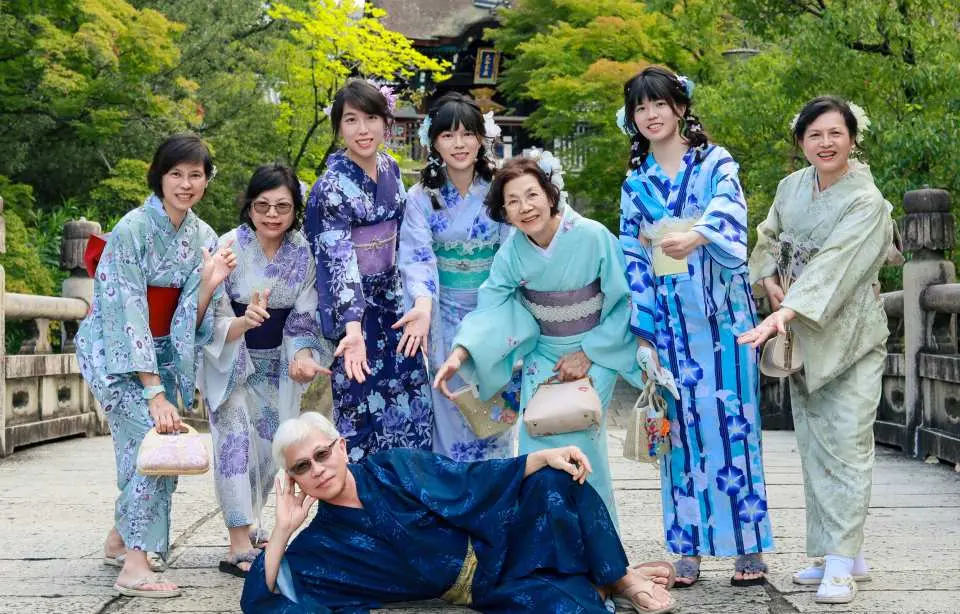
- Experience in shooting family portraits, group photos, and large-scale school trips to Japan with groups of over 100 people.
- Professional photo retouching provides natural enhancements to skin texture, face shape, and body shape, presenting the most authentic and captivating you.
- Props needed for the photoshoot will be provided free of charge by Ookini Kimono Experience brand (clothing, attraction tickets, etc. will be charged separately).
- Don't leave any regrets, capture the most beautiful moments, book now!






Purchase Notice
The appointment time is approximate; the actual shooting time will begin upon arrival at the location on the day of the shoot. You can tell us your preferred style, or we can recommend one. In Japan, some locations require a photography permit or are completely off-limits for photography; we assume no responsibility for such locations.
Includes/Excludes
Reminders
For safety reasons, pregnant women are not encouraged to experience kimonos.
Yukata are only available from June 1st to September 30th.
We may publish your photos in our portfolio and on social media. If you do not wish for this to happen, please let us know in advance.
If you have any dissatisfaction during the experience, please contact us first at kkday@ookini-kimono.com
How to Redeem Your Voucher
How to Use Your Voucher
- Please present the e-voucher on-site
Experience Location
Location Name: ookini Asakusa Rai Store (or a pre-arranged nearby filming location)
Address: The Room, 1-16-11 Asakusa, Taito-ku, Tokyo 111-0032, JapanCancellation Policy
- Cancellations 1 day(s) (inclusive) before the selected date are allowed. Unused orders can be canceled for free
- For cancellations made 0 to 0 days prior to selected date, a cancellation fee of 50% will apply
- Due to time zone differences, the confirmed cancellation date is based on the supplier’s local time. Please allow 2–5 business days to process your cancellation request, after which the cancellation fee will be charged according to the product’s cancellation policy. Once the cancellation is confirmed, you will receive your refund within 14 working days.
FAQ
Senso-ji Temple, Tokyo's oldest temple, provides a rich cultural backdrop for photography. Key features include the iconic Kaminarimon Gate with its massive red lantern, the bustling Nakamise-dori market street leading to the Hozomon Gate, and the majestic Main Hall. Beyond these, the temple grounds offer serene gardens, the elegant Five-Storied Pagoda, and various smaller shrines. These elements create diverse photo opportunities, from vibrant street scenes to tranquil traditional settings, ideal for capturing natural snapshots and memorable kimono photos.
During a professional photography session at Senso-ji Temple, visitors can expect a guided experience focused on capturing their best moments. A multilingual photographer will lead the way, suggesting less crowded, scenic locations within the temple grounds. They provide guidance on poses and expressions to ensure natural and flattering shots. Additionally, various props are often available to enhance the photos. This service aims to make the session enjoyable and deliver high-quality, professional photographs.
Visiting the main grounds of Senso-ji Temple itself is generally free of charge for the public, allowing access to the temple and Nakamise-dori. However, a professional photography experience is a dedicated service provided by skilled photographers. This service involves a cost that covers the photographer's expertise, equipment usage, and the comprehensive processing of your images, including original files and retouching, ensuring a high-quality keepsake from your visit.
A typical professional photography session at Senso-ji Temple often lasts between one to two hours, designed to comprehensively cover the temple's most picturesque spots. Photographers usually guide you through iconic areas such as the Kaminarimon Gate, along the lively Nakamise-dori, past the Hozomon Gate, and around the Main Hall. They also utilize quieter, scenic locations within the temple grounds and nearby gardens to capture diverse shots and ensure a varied collection of memories.
To reach Senso-ji Temple for a photography appointment, the most recommended transportation method is by subway. You can take the Tokyo Metro Ginza Line, Toei Asakusa Line, or Tobu Skytree Line directly to Asakusa Station. From any of these Asakusa Station exits, the Kaminarimon Gate of Senso-ji Temple is just a short walk away, typically within 2 to 5 minutes. This makes it a convenient and efficient way to arrive for your scheduled session.
Professional photographers leverage their local knowledge and experience to find the best, less crowded photo spots around Senso-ji Temple. They often know optimal times, like early mornings or weekdays, to avoid peak crowds at popular landmarks. Additionally, they utilize lesser-known side alleys, tranquil garden areas, or unique viewpoints that capture the temple's essence without as many people. Their expertise ensures a more intimate and aesthetically pleasing backdrop for your photos.
At historical sites like Senso-ji Temple, public photography and filming are generally permitted in open areas. However, visitors should respect designated restricted zones, especially inside certain temple halls or sacred spaces where photography might be prohibited or require special permission. Using drones is typically not allowed. Always be mindful of other visitors and do not obstruct pathways or views. Flash photography may also be restricted in certain areas to preserve artifacts or maintain a reverent atmosphere.
When taking pictures at Senso-ji Temple, it's essential to practice respectful photography etiquette, especially when other people are present. Avoid taking close-up photos of strangers without their explicit permission. Be mindful not to obstruct others' views or pathways, particularly during busy times or religious ceremonies. Keep a polite distance and be aware of your surroundings to ensure everyone can enjoy their visit without feeling intruded upon. Quietly capturing the atmosphere is generally acceptable, but individual privacy should always be prioritized.
Get Help


