


Australian National Maritime Museum Ticket | Australia
Discover a collection of historical vessels at the Australian National Maritime Museum in Sydney. Learn about the country's rich maritime history from the exhibits and replicas!
- Explore Australia's centre for maritime collections, exhibitions, and research
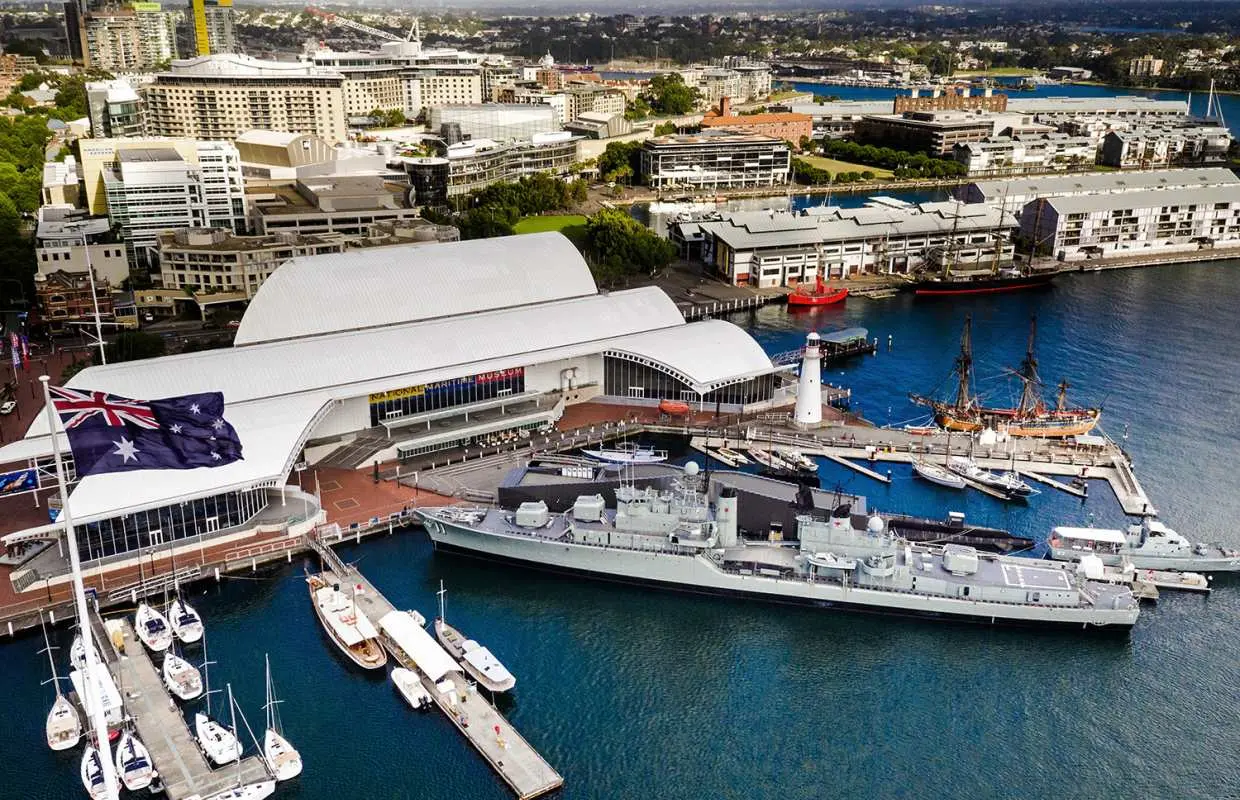
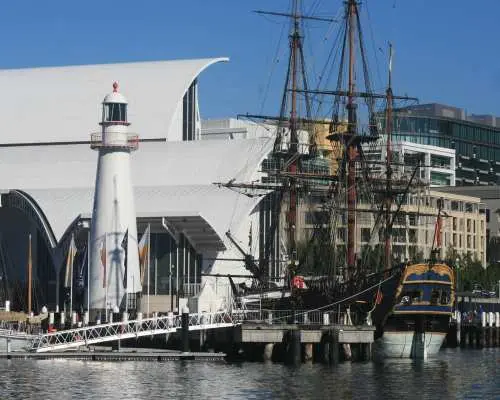
- See replicas of historical vessels such as the HMB Endeavour and Destroyer: HMAS Vampire
Attraction Tickets
| Exhibit type | Historical exhibits |
| Attraction type | History & culture |
Product Info
What You Can Expect
1 Day
- Enjoy an educational trip to the Maritime Museum in Darling Harbour
- See how a day in the life of a Navy sailor's life looks like
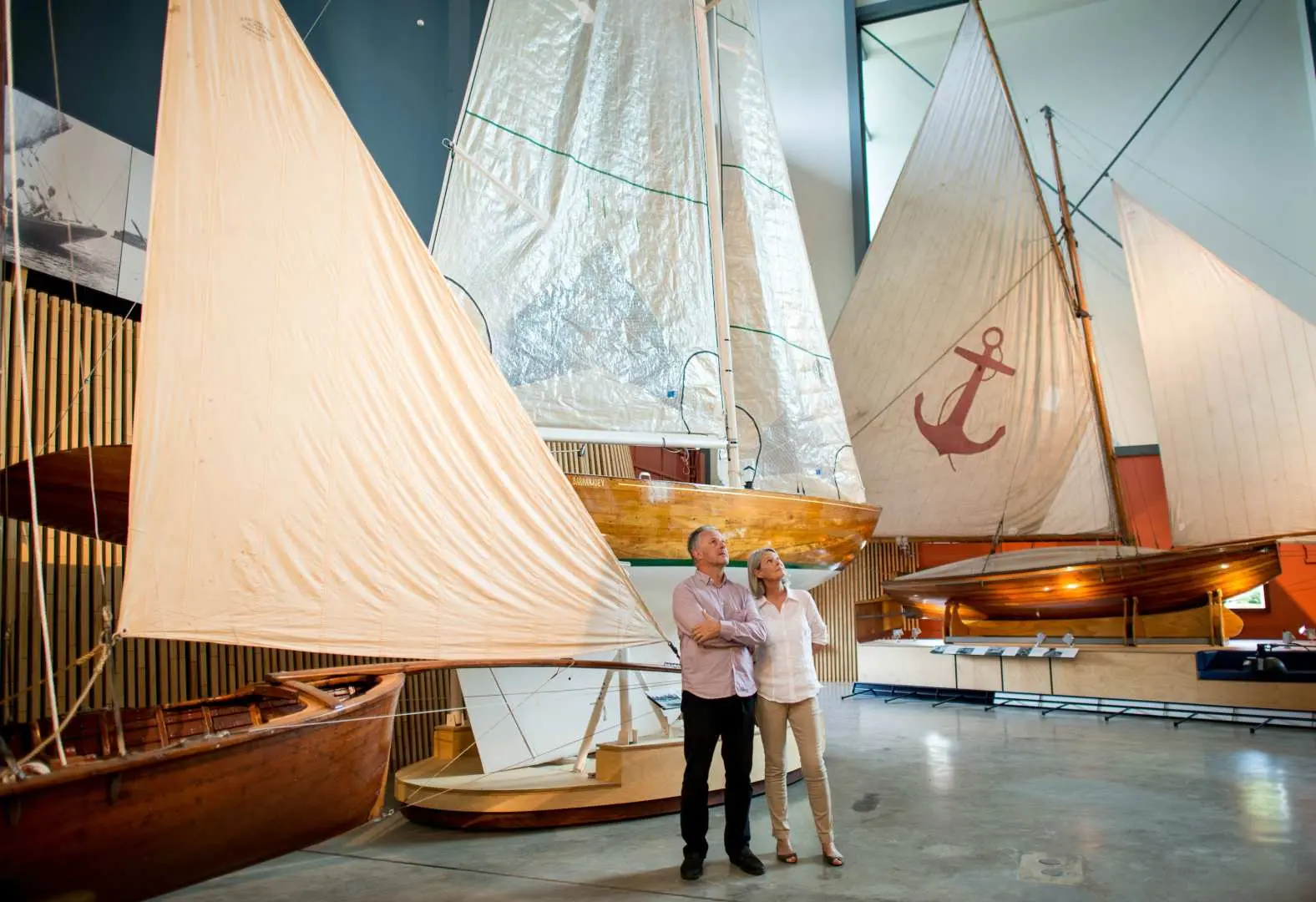
- Enjoy activities that stimulate learning in these exhibition spaces
- Discover diverse maritime collections and exhibits


Purchase Notice
- Admission is free for children under 3 years old. Each adult may bring one child free of charge; please bring children's passport for identity verification
- Children under 90 cm in height are not allowed to enter HMAS Onslow and HMB Endeavour Replica; please consider before booking
- Children under the age of 12 must be accompanied by an adult
Includes/Excludes
Reminders
Please wear flats or sneakers; high heels, slippers, and flip-flops are not allowed
For safety reasons, guests are not allowed to carry infants or children when boarding vessels
Photography, smoking, and eating are prohibited in vessels and lighthouses
Kids on Deck Activity Space is available for children ages 5–12 and their accompanying adults
Free storage services are available on-site
Redemption Location
Australian National Maritime Museum Ticket Counter
Address Info: 2 Murray St, Sydney NSW 2000, AustraliaMonday 10:30 - 15:00
Tuesday 10:30 - 15:00
Wednesday 10:30 - 15:00
Thursday 10:30 - 15:00
Friday 10:30 - 15:00
Saturday 10:30 - 15:00
Sunday 10:30 - 15:00
How to Redeem Your Voucher
How to Use Your Voucher
- The e-voucher will be sent to your email inbox. Please exchange it for physical tickets at the designated location
Voucher Redemption Period
- The voucher must be redeemed on the selected date and within operating hours; Invalid after expiration
Experience Location
Location Name: Australian National Maritime Museum
Address: 2 Murray St, Sydney NSW 2000, AustraliaMonday 10:00–16:00 (Last Entry Time: 15:10)
Tuesday 10:00–16:00 (Last Entry Time: 15:10)
Wednesday 10:00–16:00 (Last Entry Time: 15:10)
Thursday 10:00–16:00 (Last Entry Time: 15:10)
Friday 10:00–16:00 (Last Entry Time: 15:10)
Saturday 10:00–16:00 (Last Entry Time: 15:10)
Sunday 10:00–16:00 (Last Entry Time: 15:10)
- Visitors are encouraged to arrive earlier to allow sufficient time to explore all vessel experiences
- School Holidays: 9.30am - 5pm
- Operating hours are subject to change, depending on seasons or national holidays. Please refer to the official website for the exact times
Cancellation Policy
- Cancellations 2 day(s) (inclusive) before the selected date are allowed. Unused orders can be canceled for free
- Cancellation is not allowed between 0–1 days from the selected date. Orders cannot be canceled or modified, and refunds will not be granted.
- Due to time zone differences, the confirmed cancellation date is based on the supplier’s local time. Please allow 2–5 business days to process your cancellation request, after which the cancellation fee will be charged according to the product’s cancellation policy. Once the cancellation is confirmed, you will receive your refund within 14 working days.
FAQ
The Australian National Maritime Museum offers free entry to its main galleries for individuals, allowing access to a selection of permanent exhibitions. However, access to its impressive fleet of historical vessels and most special, temporary exhibitions typically requires a paid ticket. It's recommended to check their official website for the latest details on free access and ticketed experiences, as policies can vary.
For a comprehensive visit that includes exploring the main galleries, engaging with the various exhibits, and touring the historical vessels, visitors should generally allocate between 3 to 4 hours. If you have a deep interest in maritime history, wish to attend specific talks, or participate in special programs, you might want to allow for even longer to fully immerse yourself.
The Australian National Maritime Museum is conveniently located in Darling Harbour, Sydney. The most efficient public transport options include taking the L1 Dulwich Hill light rail line to Pyrmont Bay station, which is directly adjacent to the Museum. Alternatively, ferries from Circular Quay stop at Pyrmont Bay Wharf, a short walk away. Several bus routes also serve the Darling Harbour area, and it's a pleasant walk from Sydney's city centre.
The Museum offers a profound exploration into Australia's rich maritime history, covering everything from ancient Aboriginal seafaring to modern naval defense. Visitors gain unique insights into themes of exploration, trade, immigration, and naval warfare through diverse exhibits and artifacts. A key highlight is the opportunity to step aboard actual historical vessels, including replicas like the HMB Endeavour, offering a tangible connection to the past.
At the Australian National Maritime Museum, you can explore a fascinating collection of historical vessels, including a full-scale replica of Captain Cook's HMB Endeavour, the impressive destroyer HMAS Vampire, and the submarine HMAS Onslow. Inside, exhibits delve into Australia's profound connection to the sea, showcasing artifacts related to sailing, fishing industries, naval defense, and the country's diverse immigrant journeys by sea.
Yes, the Australian National Maritime Museum is well-regarded for its family-friendly environment. It features several interactive exhibits and dedicated spaces specifically designed to engage children and provide hands-on learning experiences about maritime life and history. The Museum often hosts special children's programs, workshops, and themed activities during school holidays, making it an educational and fun outing for visitors of all ages.
As Australia's national centre for maritime collections, exhibitions, and research, the Museum plays a pivotal role in preserving and interpreting the nation's seafaring past. It conducts extensive research into maritime history, maintains a vast collection of invaluable artifacts, documents, and oral histories, and contributes significantly to both academic and public understanding of Australia's deep and complex connection to the ocean.
To make the most of your visit, consider starting your exploration with the outdoor fleet to fully experience the historical vessels. Wear comfortable shoes, as there is a considerable amount of walking involved. It's advisable to check the Museum's official website beforehand for any special exhibitions, guided tour schedules, or daily programs to help plan your day effectively and ensure you don't miss anything of interest.
Get Help


