


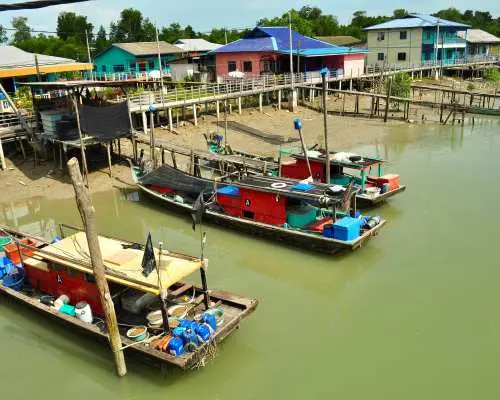


Pulau Ketam Fishing Village with Blue Mosque and Thean Hou Temple Klang, Malaysia
- Explore the calm and peaceful fishermen's island — Pulau Ketam
- See Pulau Ketam's "floating houses", perched on wooden stilts above sea level
- Discover the authentic fishing village in Pulau Ketam and spend the day away from the bustling metropolis
- Indulge in a delicious lunch of the village's famed local seafood
- Sultan Salahuddin Abdul Aziz Mosque (Blue Mosque)
- Thean Hou Temple
Package Options


Sightseeing Tours
| Tour Type | Shared tour |
| Transportation method | Hotel transfer |
| Tour types | Guided tour |
| Meal arrangement | Lunch included |
| Sightseeing type | Natural sights, Islands tour |
| Transport | Sightseeing cruise |
Product Info
Purchase Notice
- Child seats are not available
- Image/Video (as applicable), used under license from Shutterstock.com
Reminders
Children must be accompanied by an adult at all times
Persons with disabilities and pregnant women can join this activity, but please note that long hours of walking is involved
Pickup at SELECTED hotel [Minimum 2 adults] : selected Hotels/Residences/Suite in Kuala Lumpur City Golden Triangle area (except Pudu area, ChowKit, KL Sentral, Brickfields, Hotel Four Points by Sheraton Kuala Lumpur Chinatown, Hotel Olympic Malaysia, Hotel Park Hyatt Kuala Lumpur, Hotel YWCA Kuala Lumpur)
Please arrive in the hotel lobby/ground floor entrance 15 min before scheduled departure time.
As this is a shared tour, please be patient in cases of unforeseen delays along the pick-up route.
For pick up from out of coverage area, a surcharge at least RM50/car applied (surcharge rate and pick up time shall defined by pick up location), surcharge to be paid directly to the driver in cash
FAQ
1. What unique attractions and experiences can visitors find at Pulau Ketam?
Pulau Ketam is known for its distinctive "floating houses" built on stilts above sea level, offering a unique glimpse into traditional Malay fishing village life. Visitors can explore the charming village, observe the daily routines of local fishermen, and enjoy the tranquil atmosphere. The island provides a peaceful escape with opportunities to discover local markets and immerse in the community's culture, away from the bustling metropolis.
2. What is the primary industry of Pulau Ketam village, and how does it shape local life?
The primary industry in Pulau Ketam is fishing, particularly crab fishing, which gives the island its name ("Crab Island"). This industry profoundly shapes local life, with most residents involved in fishing, seafood processing, or related trades. The daily rhythm of the village revolves around the tides and fishing activities, fostering a close-knit community deeply connected to the sea and its resources.
3. What is life like in the traditional fishing village of Pulau Ketam, especially regarding its unique floating houses?
Life in Pulau Ketam's traditional fishing village is characterized by its iconic floating houses, perched on wooden stilts over the water. Residents live in harmony with the tides, with children often cycling along narrow wooden pathways connecting homes. The community is tight-knit, centered around fishing and the sea. It's a serene existence, away from urban rush, offering an authentic glimpse into a unique way of life.
4. How can one travel from Kuala Lumpur to Pulau Ketam, and what are the main transportation options?
To reach Pulau Ketam from Kuala Lumpur, travelers typically first take a car or taxi to Port Klang (Pelabuhan Klang), which is approximately a 1-hour drive. From Port Klang's South Port terminal, regular ferries operate to Pulau Ketam. The ferry journey itself takes about 30-40 minutes, offering scenic views of the straits and surrounding mangrove areas.
5. What are the typical transportation methods for getting around Pulau Ketam island itself?
Getting around Pulau Ketam is primarily done by walking or cycling. The island features narrow wooden boardwalks and bridges connecting the various parts of the village, which are perfect for pedestrians and bicycles. Many visitors rent bicycles upon arrival to explore the charming alleys, observe local life, and reach different viewpoints at a leisurely pace, as there are no cars or motorbikes on the island.
6. What is the typical ferry schedule and frequency for reaching Pulau Ketam from the mainland?
Ferries to Pulau Ketam from Port Klang (South Port) generally operate frequently throughout the day, typically every 30 minutes to an hour, especially during peak hours. Services usually start in the early morning and run until late afternoon or early evening. It's advisable to check the latest schedule upon arrival at the Port Klang terminal, as timings may vary slightly based on demand or day of the week.
7. What kind of local seafood can visitors expect to enjoy during a visit to Pulau Ketam?
Visitors to Pulau Ketam can expect to indulge in a variety of incredibly fresh local seafood, which is a highlight of the village's culinary offerings. Crabs, being the namesake of the island, are a must-try, often prepared in various delicious styles. Other popular choices include fresh prawns, fish, and shellfish, typically caught daily by local fishermen and served at the island's many seafood restaurants for lunch or dinner.
8. What aspects contribute to Pulau Ketam's reputation as a peaceful escape from the bustling city?
Pulau Ketam earns its reputation as a peaceful escape through several unique aspects. The absence of cars and the reliance on bicycles create a tranquil, slow-paced environment. Its traditional stilt houses, surrounded by water and mangroves, offer a scenic backdrop. The gentle rhythm of fishing village life, combined with the calm sea breeze, provides a refreshing contrast to the noise and speed of urban centers.


