

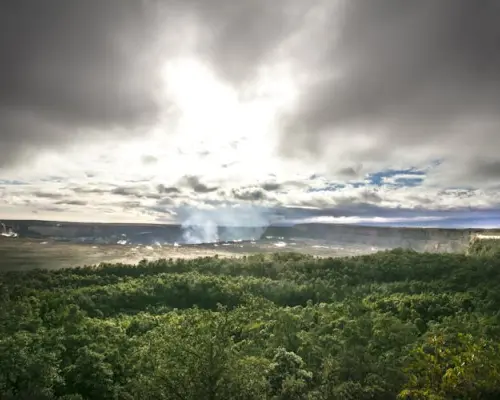

Big Island of Hawaii Volcano National Park tour from Hilo
Sightseeing Tours
| Tour Type | Shared tour |
| Tour types | Guided tour |
| Sightseeing type | Natural sights, Historic site tour |
Product Info
Purchase Notice
Reminders
Please refer to your voucher for final information regarding meeting points, pick-up locations, and pick-up time
Meeting point description: Pickup time will depend on the location of your accommodation in Hilo. The local tour operator will contact you prior to the tour to arrange your pickup time. Please indicate your pickup location and phone number at checkout.
Pickup schedule will depend on the location of your accommodation in Hilo. The local tour operator will contact you prior to the tour to arrange your pickup time. Please indicate your pickup location and phone number at checkout
People of all ages can participate in this tour
This tour is not wheelchair accessible
Wear closed-toed shoes and bring a light jacket. Some sights are weather dependent
Cancellation Policy
- Once the order has been completed, it cannot be canceled, modified, or refunded
- Due to time zone differences, the confirmed cancellation date is based on the supplier’s local time. Please allow 2–5 business days to process your cancellation request, after which the cancellation fee will be charged according to the product’s cancellation policy. Once the cancellation is confirmed, you will receive your refund within 14 working days.
FAQ
Hawaii Volcanoes National Park offers several incredible highlights. Be sure to visit the Kilauea Summit, where you can marvel at the vast Kilauea Caldera from various overlooks like the Kilauea Iki Crater Overlook. Driving the scenic Chain of Craters Road reveals dramatic coastal views and ancient petroglyphs. Exploring the Thurston Lava Tube provides a unique experience walking through a prehistoric lava cave. These sites offer diverse perspectives on the park's dynamic volcanic landscape.
Viewing active lava flows within Hawaii Volcanoes National Park is possible but not guaranteed, as volcanic activity is dynamic and constantly changing. The best opportunities typically occur during periods of sustained eruption, often visible from designated overlooks at night, such as the Kilauea Summit area. Visitors should always check the official park website or visitor center for the latest updates on viewing conditions and safety guidelines before planning their visit.
Entry into Hawaii Volcanoes National Park generally requires an access permit, which can be acquired upon arrival at the park entrance or sometimes in advance online. These permits are typically valid for several days, allowing ample time to explore. For a seamless experience, joining a guided tour often includes all necessary park entry arrangements. Booking your tour through KKday can provide a convenient solution, as many tours manage these details for you, ensuring a smooth entry process and reducing any potential hassle.
For a fulfilling visit to Hawaii Volcanoes National Park, it is recommended to allocate at least a full day, ideally more if you wish to explore extensively. A half-day visit allows you to see the main caldera views and a short walk. A full day enables exploring the Kilauea Summit area, driving Chain of Craters Road, and experiencing a moderate hike. For deeper exploration and enjoying varied lighting, dedicating two or more days allows you to fully immerse yourself in the park's diverse ecosystems and volcanic features.
When considering a guided tour for Hawaii Volcanoes National Park, travelers should weigh factors like convenience, knowledge, and logistics. A guided tour provides expert commentary from a certified guide, enhancing understanding of the geology and culture. It often includes transportation from Hilo, eliminating navigation and parking concerns. Tours can also optimize your time, ensuring you visit key sites efficiently. However, self-guided visits offer greater flexibility in pace and itinerary, appealing to those who prefer independent exploration.
The most recommended transportation method to Hawaii Volcanoes National Park from Hilo is by rental car, offering flexibility to explore at your own pace. The drive typically takes approximately 45-60 minutes, depending on traffic. Alternatively, joining a guided tour from Hilo provides convenient round-trip transportation, allowing you to relax and enjoy the scenery without navigating. Public transport options are limited, making a personal vehicle or an organized tour the most practical choices.
While Hawaii Volcanoes National Park is known for its volcanic landscapes, nearby attractions offer a different cultural and historical perspective. The Star of the Sea Painted Church, for example, is a historical site listed on the National Register. Known for its vibrant interior frescoes painted by Father John Berchmans Velghe, it offers a glimpse into local religious art and history. Other non-volcanic attractions in the wider Hilo area include lush botanical gardens and serene black sand beaches, providing a diverse experience beyond the volcanic terrain.
Visitors to Hawaii Volcanoes National Park can gain profound educational insights into volcanology, geology, and Hawaiian culture. You can learn about different types of lava, the formation of volcanic landscapes like the Kilauea Iki Crater, and the unique ecosystems that thrive on volcanic soil. A certified guide can explain the scientific processes behind eruptions, the geological history of the Big Island, and the deep cultural significance of volcanoes to the Hawaiian people, particularly the deity Pele, enriching your understanding of this dynamic environment.
Get Help


