


Hue Discovery Full-Day Deluxe Small Group Tour (Maximum 12 Guests)
- An interesting and unforgettable experience for visitors to discover and feel the multi-dimensional and nuanced beauty of Hue's lyrical and poetic Perfume River
- Visit Hue Imperial Citadel, the home of Vietnam’s last royal dynasty – the Nguyen Dynasty
- Learn about the significance of royal tombs' architecture and historic stories
- Practical experience in conical hat village and incense stick village
Package Options


Product Info
FAQ
1. What key attractions can be experienced in Hue during a full-day visit?
A full day in Hue allows for exploration of the majestic Hue Imperial Citadel, a UNESCO World Heritage site and the former imperial capital. Visitors can also tour one or two prominent royal tombs, such as Khai Dinh or Minh Mang, appreciating their unique architecture. Additionally, a scenic boat trip along the Perfume River offers a tranquil perspective, and a stop at a traditional craft village like the conical hat or incense stick village provides cultural insights.
2. Is a single day sufficient to explore Hue's main historical sites?
While Hue offers extensive historical sites, a full-day visit can efficiently cover the most significant ones. It allows focusing on the Hue Imperial Citadel, including its Forbidden Purple City and various palaces, and selecting one prominent royal tomb. Prioritizing these key locations provides a rich historical and cultural overview, capturing the essence of Hue's imperial past, especially with a well-planned itinerary.
3. What are the must-see historical sites within Hue Imperial Citadel?
Within the Hue Imperial Citadel, visitors should prioritize the Ngo Mon Gate (Meridian Gate), the Thai Hoa Palace (Supreme Harmony Palace) for its grand architecture, and the Forbidden Purple City, which was once the emperor's private residence. Exploring the various temples, pagodas, and courtyards provides a comprehensive glimpse into the Nguyen Dynasty's royal life and ceremonial traditions.
4. What kind of experience do the Royal Tombs of Hue offer visitors?
The Royal Tombs of Hue offer a fascinating blend of history, architecture, and tranquil natural beauty. Each tomb, built for a different emperor, reflects their personality and reign through unique designs, from grand and elaborate to serene and harmonious. Visitors can wander through vast gardens, explore intricate temples, and learn about the Nguyen Dynasty's funerary customs and artistic expressions.
5. What activities are recommended along Hue's Perfume River?
Along Hue's Perfume River, a boat trip is highly recommended to appreciate its lyrical and poetic beauty. You can enjoy scenic views of the city and surrounding landscapes, often including visits to historical sites like the Thien Mu Pagoda. Evening cruises, sometimes accompanied by traditional Hue folk music, offer a particularly memorable and romantic experience, highlighting the river's cultural significance.
6. What makes visiting Hue a unique cultural experience in Vietnam?
Hue stands out as Vietnam's former imperial capital, preserving a rich legacy of royal architecture, traditions, and cuisine. Its unique cultural experience stems from exploring the grand Imperial Citadel, the beautifully designed royal tombs, and the serene Perfume River. The city's history as the seat of the Nguyen Dynasty offers unparalleled insights into Vietnamese monarchy and court life.
7. What traditional crafts can be observed in Hue's conical hat and incense stick villages?
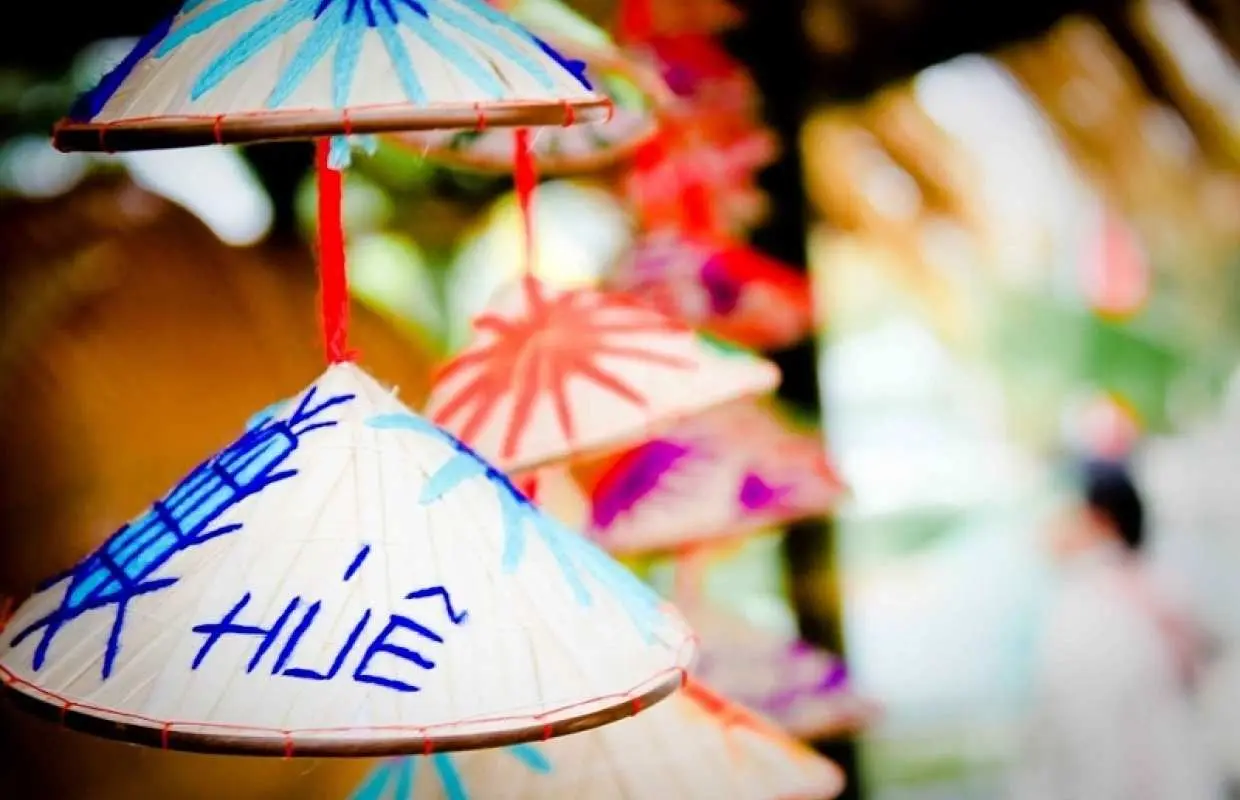
In Hue's traditional craft villages, visitors can observe the intricate processes of making iconic Vietnamese products. In a conical hat village, you'll see artisans skillfully weaving palm leaves into the famous nón lá. In an incense stick village, you can watch the creation of aromatic incense sticks, often bundled into vibrant bouquets, learning about the materials and techniques used in these culturally significant crafts.
8. How does the architecture of Hue's royal tombs reflect historical stories?
The architecture of Hue's royal tombs intricately weaves historical narratives and the emperors' personal philosophies. Each tomb's design elements, from the placement of statues and steles to the choice of materials and landscaping, symbolize aspects of the emperor's life, reign, and spiritual beliefs. For example, Khai Dinh's tomb showcases a fusion of Vietnamese and European styles, reflecting his modernizing influences, while Minh Mang's tomb embodies classical Confucian harmony.


