


Singapore Zoo Tickets | Mandai Wildlife Reserve, Singapore
See more than 300 species of animals at the Singapore Zoo and enjoy breakfast in the rainforest alongside adorable and friendly animals!
- Tour the Zoo at a relaxing pace to see orangutans and elephants in their natural habitats
- Enjoy delicious breakfast amongst the animals and watch them roam freely with the "Breakfast in the Wild" experience
- Get up close with over 300 species of animals at the best rainforest zoo in the world
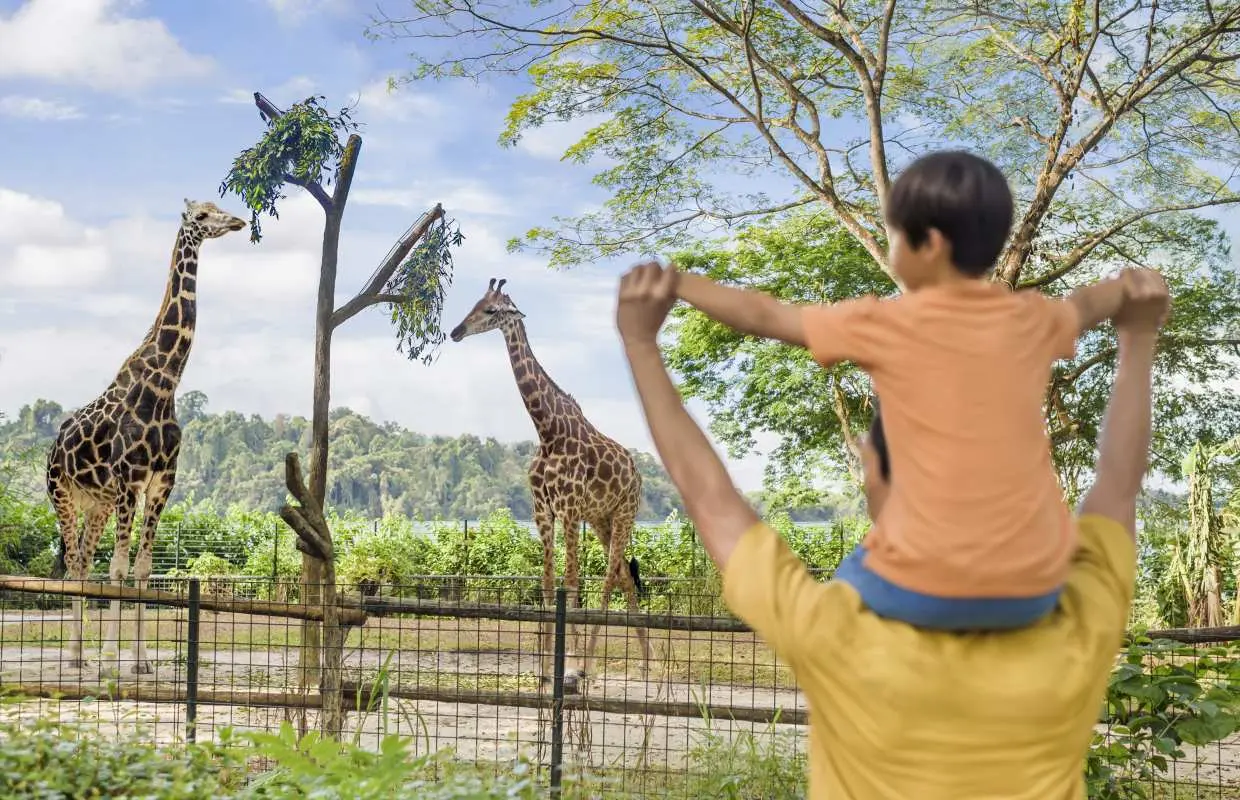
- Interact with animals and feed elephants, giraffes, and even a white rhinoceros
- Related products: Rainforest Wild ASIA, Night Safari, Bird Paradise, River Wonders, Multi-Park Bundles, Curiosity Cove(Indoor Playground)
Attraction Tickets
| Ticket type | E-ticket (direct entry) |
| Attraction type | Ecology & conservation, Zoos |
| Natural scenery | Forests |
| Tour types | None |
| Additional service & facility | Barrier free |
Product Info
— What You Can Expect —
Take refuge in nature from the roaring city at the world's best rainforest zoo and have breakfast among various mammals, birds and reptiles.
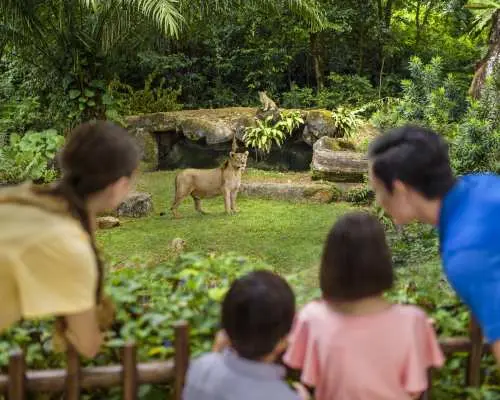
The Singapore Zoo is home to over 300 species of animals. From majestic lions to playful otters, there's no shortage of amazing animals to see and learn about.


Catch our presentations to witness the amazing talents of our animals alongside their trainers at Singapore Zoo.


Catch our animals when they’re most active — during feeding sessions! Listen to our keepers share stories and even get to feed the animals yourself. Note: The token feeding sessions are at additional charge and subject to availability, based on a first-come-first-served basis.


Enjoy a scrumptious planet-friendly breakfast spread that is thoughtfully prepared by our chefs and meet our special animal ambassadors and their keepers!


Kids can interact with our farm animals in this free-ranging area at KidzWorld. They're absolutely going to love it!


Get around the park at a more relaxed pace on a tram ride


Park Map


Purchase Notice
- Free admission for children under 3 years old
- Please do not wear strong scented perfume as animals are sensitive to odours
- Visitors are not allowed to feed the animals without staff permission
- Free Wi-Fi is available inside the park
- This activity is stroller- and wheelchair-accessible
- Please fold your stroller or wheelchair before boarding the tram
[Breakfast in the Wild Tickets]
- Admission to the Singapore Zoo is not included. Please purchase admission tickets separately
- Guests must present the meal ticket with a barcode to get into the restaurant
- A complimentary meal for a child under 6 is limited to one (1) child per one (1) accompanying adult
- No return, exchange, cancellations, amendment and/or refund is allowed
[Animal Token Feeding Session]
- The token feeding sessions are at additional charge and subject to availability, based on a first-come-first-served basis
- We seek your understanding that once full, we will be unable to accept more guests.
- Please book the feeding session online and arrive 15 minutes before the feeding time
Reminders
Notice of Temporary Change to “Breakfast in the Wild” at Singapore Zoo Please be informed that enhancement works at Singapore Zoo will take place from Tuesday, 13 May to Tuesday, 27 May 2025. During this period, the Zoo will remain open as usual. However, due to the upgrading activities, orangutans will not be appearing during the “Breakfast in the Wild” experience.
How to Redeem Your Voucher
How to Use Your Voucher
- Please present the e-voucher on-site
Experience Location
Location Name: Singapore Zoo
Address: 80 Mandai Lake Road, Singapore, 729826Monday 08:30–18:00 (Last Entry Time: 17:00)
Tuesday 08:30–18:00 (Last Entry Time: 17:00)
Wednesday 08:30–18:00 (Last Entry Time: 17:00)
Thursday 08:30–18:00 (Last Entry Time: 17:00)
Friday 08:30–18:00 (Last Entry Time: 17:00)
Saturday 08:30–18:00 (Last Entry Time: 17:00)
Sunday 08:30–18:00 (Last Entry Time: 17:00)
FAQ
The Singapore Zoo is renowned for its immersive animal experiences, allowing visitors to get closer to wildlife. You can enjoy the unique "Breakfast in the Wild" program, dining alongside free-roaming orangutans. Interactive animal feeding sessions are also available, providing opportunities to feed elephants, giraffes, and even a white rhinoceros, creating memorable encounters in their naturalistic habitats.
A comprehensive visit to the Singapore Zoo typically requires approximately 5 to 6 hours. This duration allows ample time to explore the various themed zones, attend engaging animal shows, and participate in interactive feeding sessions at a relaxed pace. The actual time may vary based on individual interest in specific exhibits and activities.
To reach the Singapore Zoo by public transport, take an MRT train to Khatib Station on the North-South Line. From there, you can board the Mandai Express bus service, which provides a direct route to the zoo entrance. Alternatively, take the MRT to Ang Mo Kio, Choa Chu Kang, Woodlands, or Marsiling stations and transfer to a connecting public bus, such as Bus 138 from Ang Mo Kio MRT.
Within the Singapore Zoo, visitors can utilize several transportation options to explore the expansive grounds. A convenient tram service offers guided tours, allowing you to cover long distances and providing informative commentary on the animal exhibits. Additionally, strollers and wheelchairs are available for rent, and electric scooters cater to guests with mobility needs.
Yes, advance booking for Singapore Zoo tickets is highly recommended, particularly during weekends, public holidays, and school vacation periods, to ensure your entry and minimize wait times. Booking your tickets in advance through KKday allows you to secure your preferred date and time slot conveniently, ensuring a smoother and more efficient entry process upon arrival.
The Singapore Zoo is notable as a "rainforest zoo" due to its innovative open-concept design. It houses over 300 animal species in spacious, naturalistic enclosures that mimic their original rainforest habitats, utilizing moats and natural barriers instead of conventional cages. This design creates an immersive experience, allowing animals to roam freely and visitors to observe them in an enriching environment.
The Singapore Zoo offers a comprehensive range of facilities and services to enhance visitor comfort and convenience. These include numerous restrooms, dedicated nursing rooms for families, first-aid stations, and prayer rooms. Dining options, from casual eateries to cafes, are available throughout the park, alongside souvenir shops. Lockers for storage and rental services for strollers and wheelchairs are also provided.
The Singapore Zoo is home to over 300 species of animals from around the globe. Visitors can observe diverse wildlife, including magnificent elephants, towering giraffes, various primates like orangutans and proboscis monkeys, and endangered species such as the white rhinoceros. These animals are showcased in expansive, open-concept habitats meticulously designed to simulate their natural environments, ranging from dense rainforests to wide savannas.
Get Help


