



A day trip from Nagoya to Kanazawa in central Japan | Selected route including Shirakawa-go, Hida-Takayama, Eiheiji Temple, and Tojinbo | Minimum 8 people required for the tour
Nagoya ⇄ Kanazawa intercity shuttle service, avoiding backtracking; luggage travels on board, eliminating the need for frequent transport.
- Choose from four classic tourist attractions: Shirakawa-go, Hida-Takayama, Tojinbo, and Eiheiji Temple.
- Natural Wonders: The magnificent coastline of Tohsunbo, with its scenery in all four seasons.
- Ancient Cultural Temple: Yongping Temple, a sacred site of Zen Buddhism, offering an immersive meditation experience.
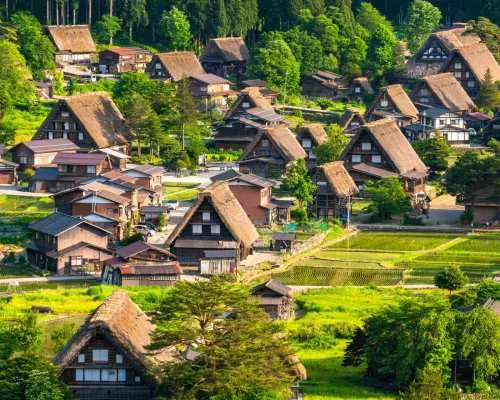
- World Heritage Site: The Snowscape and Dreamlike Thatched-Roof Houses of Shirakawa-go
- Historic street scenes: Takayama Old Town, Hida Little Kyoto
Package Options


Product Info
This series features four classic day trip routes that connect central Japan (Nagoya) and the Hokuriku region (Kanazawa). Whether it's the magnificent coastline, ancient temples, or the World Heritage-listed Gassho-zukuri villages and Edo-style old streets, you can experience them all in one day.
Designed specifically for independent travelers, it provides one-way routes (no backtracking), saving travel time and making the journey smoother and more in-depth.

Founded in 1244 by Zen Master Dogen, Eihei-ji Temple is the head temple of the Soto Zen sect, boasting a history of over 780 years and being one of Japan's representative Zen temples. To this day, approximately 150 monks still lead rigorous monastic lives here, earning it the nickname "a living monastic community." The temple grounds, comprising over 70 halls and pavilions, including the seven main halls, are nestled within a deep cedar forest, creating a serene and tranquil atmosphere, as if transported to a world of otherworldly beauty. Natural Beauty in All Seasons Eihei-ji is surrounded by nature, offering different views throughout the year. Spring (April-May): Cherry blossoms and new greenery adorn the temple grounds, creating a vibrant atmosphere. Summer (June-August): A cool and tranquil atmosphere can be felt amidst the dense cedar forest. Autumn (Late October-Late November): Eihei-ji is ablaze with autumn colors, a breathtaking tapestry of reds and yellows. Winter (December to February): Eihei-ji Temple, blanketed in snow, is shrouded in tranquility, resembling a dreamlike ink painting. Walkable shoes: The temple grounds have many stone steps, so comfortable walking shoes such as sneakers are recommended. Shoes must be removed before entering the main hall; easy-to-wear shoes are more practical. Warm clothing: Due to its mountain location, temperatures are usually lower than in the city. Warm clothing is necessary for winter visits. Camera: Bringing a camera is recommended to capture the beautiful architecture and natural scenery. However, photography is prohibited in some areas; please follow on-site instructions.

Shirakawa-go Gassho-zukuri Village: This village offers different beautiful views in spring, summer, autumn, and winter. In spring, the fields gradually turn green, and the pink cherry blossoms add a touch of pink, creating a picturesque scene with the thatched houses, attracting countless photography enthusiasts. In summer, the rice paddies and farmlands of Shirakawa-go are lush and green, set against the blue sky and white clouds, forming a pastoral scene. In autumn, the thatched houses and layers of red leaves create a dreamlike picture. The winter snow scene is the most famous. Shirakawa-go is covered with thick white snow, and the entire Gassho-zukuri village appears pure and peaceful, like a fairy tale world.
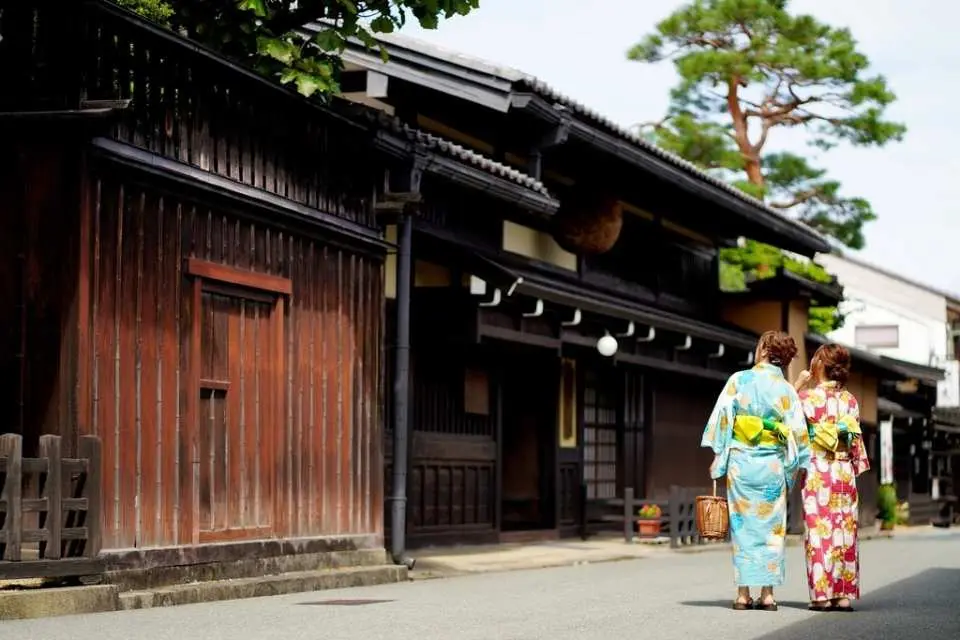
Takayama Old Town, known as "Little Kyoto of Hida and Takayama," preserves wooden townhouses over 300 years old, continuing traditional cultural traditions such as markets, sake cellars, and handicrafts, making it the core area for experiencing Takayama's history and culture. The Takayama Jinya is the only surviving Edo-period district magistrate's office in Japan, where visitors can tour the council chamber, the torture chamber, and other facilities, recreating the daily life of governance during the samurai era.

Tojinbo, located in Sakai City, Fukui Prefecture, faces the Sea of Japan and is a scenic spot featuring a series of columnar jointed cliffs. Visitors can stroll along the cliffs and enjoy the view, or take a sightseeing boat tour for panoramic sea views. From the cliff top, overlooking the rugged Sea of Japan, one can appreciate the changing scenery throughout the day. Visiting at sunset is also highly recommended. A sightseeing boat tour of Tojinbo offers a unique perspective of the cliffs from the sea (approximately 30 minutes). From the observation deck of Tojinbo Tower (approximately 100m above sea level / 55m above ground), one can enjoy a panoramic view of Tojinbo and the Sea of Japan. Tojinbo's highlights and best seasons: Spring (April-May): The cliffs and sea create a striking contrast against the lush greenery, making for a beautiful scene; the Mikuni Matsuri, one of the three major festivals of the Hokuriku region, is also held in May. Summer (June-August): The azure sea becomes even more prominent, and the overall scenery is refreshing and expansive. Autumn (September-November): The surrounding trees gradually turn red with autumn leaves, offering a vibrant autumn landscape. The Echizen crab season also begins in November. Winter (December-February): The crashing waves of the Sea of Japan and the "wave flowers" create a dreamlike scene, and you can also enjoy the winter delicacy, Echizen crab. Note: The cliff edges are windy and slippery; please watch your step. It can get crowded during holidays and peak tourist seasons; early mornings or weekdays are better for exploring.
Purchase Notice
[Tourism Conditions]
Travel departure point/destination: Aichi/Ishikawa/Gifu/Fukui
Trip duration: Day trip
Delivery: Chartered buses, with different vehicle types arranged according to the number of passengers.
Bus company name: AMA Transportation, etc.
Meals: Breakfast 0 times, Lunch 0 times, Dinner 0 times
Accommodation facilities: None
Minimum group size: 8
Team Leader: 1 (For groups of 15 or fewer, the driver will also serve as the team leader; for groups of 15 or more, other team leaders will be assigned)
Tour guide: 0
【Travel Planning/Implementation】
Operating Company Name: KKT Corporation
Address: No. 1770-23, Kashiwai-cho 1-chome, Kawa City, Chiba Prefecture
License Number: Chiba Prefecture Governor's Registration Travel Agency No. 2-1131
Reminders
A minimum of 8 traveler(s) are required for the tour to depart. If the number of participants does not reach the minimum requirement, the tour will be canceled. An email regarding tour cancellation will be sent 4 day(s) before the departure date
In case of delays caused by traffic, weather, or other force majeure factors resulting in the cancellation of some itinerary attractions, please contact customer service. We will arrange a partial refund for you
In the event of inclement weather such as typhoons or snowstorms, a decision on whether to cancel the tour will be made 1 day(s) before departure (local time 18:00). Notifications will then be sent via email
Travelers with the following conditions or other health issues that could be worsened by excessive stimulation should not participate in this activity: Heart disease, Acrophobia, Asthma, Epilepsy, Pregnant women
Please arrive at the designated location 15 minute(s) before the scheduled departure time, as the tour will depart on time
Children under 3 years old can participate for free if they do not occupy a seat. Each adult can only bring one infant or toddler who does not occupy a seat. If you are traveling with someone, please indicate this in the "Remarks" section when making a reservation.
Due to limited luggage storage space, each person is limited to one medium-sized suitcase per person free of charge, and two people are allowed to bring one large suitcase on board. If you have more than two pieces of luggage, please indicate this in the remarks column and contact customer service. Thank you for your cooperation.
Group tours do not allow cancellations midway. Mid-tour cancellation will be considered an abandonment of the unfinished itinerary, and no refund will be given. Please note that any accidents occurring after cancellation or mid-tour cancellation will be the sole responsibility of the traveler.
Transportation, sightseeing, and stay times related to the itinerary may be adjusted according to the situation on the day. In case of special circumstances (traffic congestion, weather conditions, etc.), the tour guide will reasonably adjust the order of sightseeing with the consent of the guests, but the number of attractions in the itinerary will not be reduced.
Once an order is confirmed, the date cannot be changed without the customer's consent. Any losses incurred as a result will be the sole responsibility of the customer. Please contact us in case of any special circumstances.
This product may be subject to change due to weather or other factors. To ensure guest safety, the supplier reserves the right to request guests to cancel outdoor activities and to contact guests to make alternative arrangements based on the actual situation on the day.
Some areas of the Tohsunbo climbing area lack safety railings. Be especially careful of your footing during windy or rainy weather, and do not get too close to the edge of the cliff. Wear comfortable walking shoes: The climbing area is slippery, so please avoid wearing high heels or sandals; we recommend wearing non-slip athletic shoes. Please take your trash with you: To protect the natural environment, please be sure to take your trash with you.
Reference vehicle type: 18-22 seater: minibus; 22 seater or more: large bus. The above vehicles are for reference only and will be adjusted according to the number of participants on the day of the tour.


