


Kanazawa, Japan Day Trip | Gokayama, Shirakawa-go Gassho Village, and Hida Takayama | Depart from Kanazawa Station
- Enjoy a day trip by bus, exploring popular destinations like the World Cultural Heritage Gassho Village and Hida Takayama.
- Escape the hustle and bustle of the city and experience the tranquility of the countryside in Gokayama
- Take a leisurely stroll through the old streets of Hida Takayama, where traditional buildings from the Edo period remain, and experience the quaint atmosphere rich in history.
Package Options


Sightseeing Tours
| Tour Type | Shared tour |
| Transportation method | Get there on your own |
| Departure Time | Standard Departure (8-9 am) |
| Luggage limit | 1 piece |
| Tour types | Guided tour |
| Meal arrangement | Arrange yourself |
| Sightseeing type | Natural sights, Historic site tour, Bus tour |
| Transport | Bus tour |
Product Info
Purchase Notice
Instructions regarding carrying luggage:
- Passengers may bring on board their personal belongings free of charge, provided that the following limits are met: ① weight 10kg ② total volume 0.125 cubic meters ③ length 1.5 meters or less.
- Please store large luggage in the trunk room.
* Luggage that can be stored in the baggage check area must have a total length, width, and height of no more than 1.5 meters. Medium-sized suitcases, skis, Snowboard, bicycles (including folding bicycles), etc., are not accepted for storage.
※When using the luggage storage area, please do not place valuables, fragile items, precision machinery, fresh food, or similar items inside.
※ Passengers are responsible for the carrying and safekeeping of their luggage (including inside the carriage and in the luggage storage area). The company is not responsible for lost or damaged luggage.
※To avoid luggage being taken by mistake, please affix a recognizable label to your luggage when you leave it at the check-in counter.
Reminders
Please arrive at the designated location 10 minute(s) before the scheduled departure time, as the tour will depart on time
Please arrive at the meeting point in advance. The bus will depart on time. Latecomers will not be accepted, and date changes and refunds will not be accepted. Thank you for your understanding.
The vehicles and services used during the trip will not be specifically marked with the KKday logo.
During the trip, if the passenger abandons the trip due to personal reasons, no refund will be given.
Please note that passengers are solely responsible for any accidents that may occur after leaving the tour group.
If the express bus is delayed due to road or weather conditions, no refund will be given. Please note that no compensation will be given for any transfers or accommodations that the passenger has arranged on their own.
In addition to the Japanese-speaking bus guide, passengers can also bring their own smartphone and headphones to access the multilingual guide service. Simply scan the QR code and access the service through your browser (available in Japanese, English, Simplified Chinese, Traditional Chinese, and Korean).
Headphones are not available for rental during the multilingual tour. If you do not bring headphones, please mute your phone's volume and listen only to the on-screen audio guide. The audio guide will not play if your phone's screen is off or you are using other apps. This service is GPS-based and does not translate the live commentary from the bus guide.
Cancellation Policy
- For cancellations made at least 3 day(s) prior to selected date, a cancellation fee of 20% will apply
- Cancellation is not allowed between 0–2 days from the selected date. Orders cannot be canceled or modified, and refunds will not be granted.
- Due to time zone differences, the confirmed cancellation date is based on the supplier’s local time. Please allow 2–5 business days to process your cancellation request, after which the cancellation fee will be charged according to the product’s cancellation policy. Once the cancellation is confirmed, you will receive your refund within 14 working days.
FAQ
Gokayama, a UNESCO World Heritage site, is highly worthwhile for its serene rural landscape and unique Gassho-zukuri farmhouses. It offers a tranquil escape from city life, allowing visitors to experience traditional Japanese countryside charm. The area is generally less crowded than some other Gassho villages, providing a more intimate cultural immersion into a historical way of living amidst stunning natural beauty.
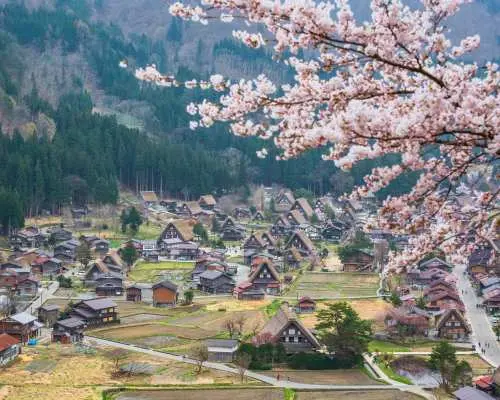
Gokayama is defined by its distinctive Gassho-zukuri farmhouses, characterized by steep, thatched gabled roofs that resemble hands clasped in prayer. These architectural marvels are designed to withstand heavy snowfall and historically provided space for sericulture. The region also preserves traditional arts like kokiriko dance and minyo folk songs, offering a unique glimpse into ancient Japanese rural culture and lifestyle.
Gokayama Village is most conveniently reached by bus from major hubs such as Kanazawa. Many visitors opt for organized day tours that include comfortable bus transport, directly taking them to the village and often combining it with other nearby attractions like Shirakawa-go and Hida Takayama. While self-driving is an option, public transport routes can be less direct and require careful planning.
In Gokayama, visitors should explore Ainokura and Suganuma villages, both UNESCO World Heritage sites. Ainokura is the largest and most picturesque, featuring numerous traditional Gassho-zukuri houses, a folk museum, and stunning panoramic views from its observation deck. Suganuma offers a smaller, charming cluster of houses and a saltpeter exhibition, showcasing historical local industries.
Two hours allows for a focused exploration of Shirakawa-go Gassho Village, covering key areas like the main streets, selected Gassho-zukuri houses, and the iconic viewpoint. However, to truly immerse yourself, visit a museum, enjoy a meal, or explore quieter corners at a leisurely pace, a minimum of three to four hours is generally recommended. Many organized tours allocate around two to three hours.
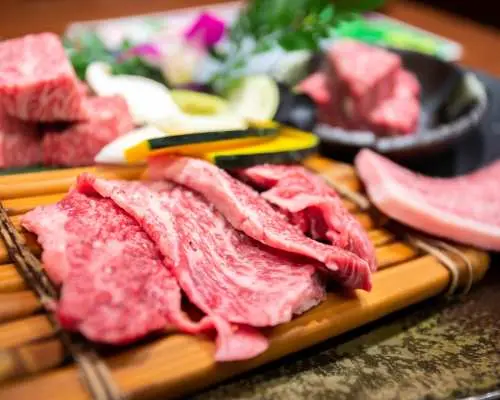
In Hida Takayama, travelers can enjoy strolling through its beautifully preserved old town, known as Sanmachi Suji, admiring traditional Edo-period architecture, and exploring historical sake breweries. Key activities include visiting the morning markets, discovering historical merchant houses like the Yoshijima House, and savoring local delicacies such as Hida beef specialties and sake. It offers a rich glimpse into historic Japanese urban life.
Beyond sightseeing, visitors to Gokayama can immerse themselves in the local culture by staying overnight in a Gassho-zukuri farmhouse minshuku, enjoying traditional meals. Other unique experiences include learning about the history of traditional paper making (washi) at the Murakami Family House, or participating in seasonal events to fully appreciate the tranquil, historical setting and its crafts.
The houses in Shirakawa-go Gassho Village are renowned for their steep, triangular thatched roofs, known as Gassho-zukuri, designed to withstand heavy snowfall and provide large attic spaces for sericulture. The roofs are typically built without nails, utilizing intricate joinery and ropes. Their alignment often considers wind direction to reduce snow accumulation, making them remarkably resilient and uniquely adapted to the local environment.
Get Help


