



Two-Day Guided Trip to Mont Saint-Michel & Loire Valley Chateaux | Paris
Explore enchanting castles in the Loire Valley and visit the iconic Mont Saint-Michel village on a two-day trip. Uncover the rich history of Chenonceau and Langeais castles—a ticket to an unforgettable journey through France's picturesque landscapes and cultural treasures.
- Embark on a thrilling two-day adventure from Paris
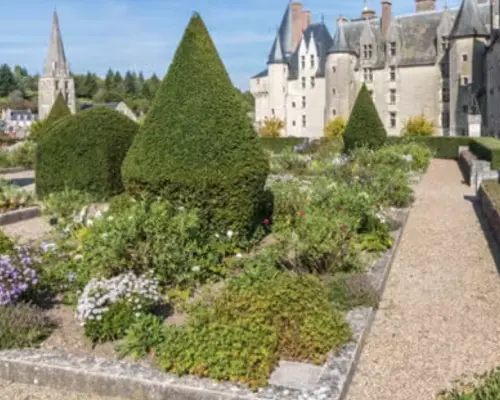
- Unveil the splendor of Chenonceau and Langeais castles in the enchanting Loire Valley
- Dive deep into the stories with expert guided tours by qualified interpreters
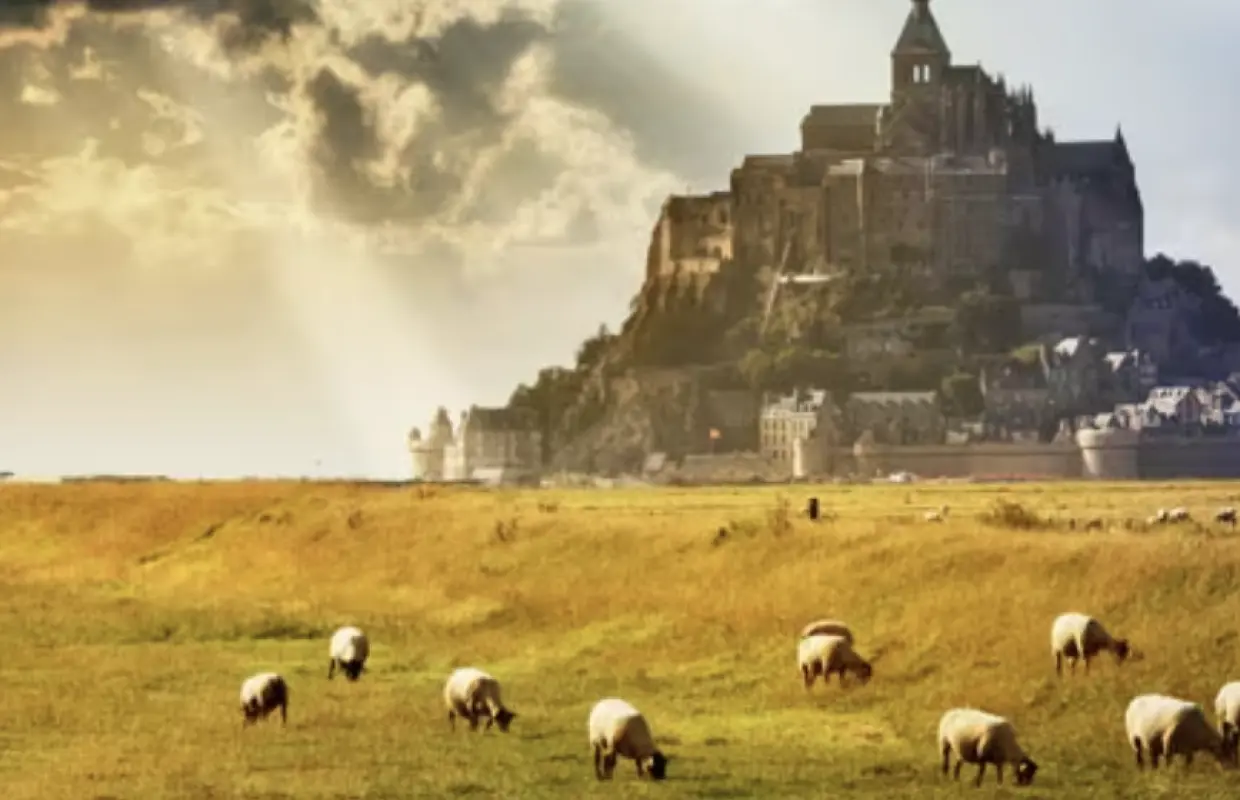
- Immerse yourself in the charm of the iconic Mont Saint-Michel village and abbey
Package Options


Product Info
Purchase Notice
The meeting with our PARISCityVISION representative takes place outside the hotel.
For bookings requiring a single room, a supplement of €65 must be paid directly online. For instance:
- For 1 person: Automatically assigned a single room, pay an extra €65 upon tour departure
- For 2 people: Double room at no extra charge. To have separate bedrooms, book the tour separately and pay the single room extra of €65 for each person upon departure
- For 3 people: Double bedroom and a single room. Pay the €65 extra upon departure. Triple rooms are unavailable.
- **Comfortable clothing and good shoes are recommended
- Due to the upcoming Olympic Games, the French government has implemented stringent security measures along the Seine River. Please note that from July 18th to July 26th, access to the peripheral area around the Seine (highlighted in red on the attached map) will necessitate a digital pass. It is essential to acquire this pass on the website: Demander un Pass Jeux - Pass Jeux (pass-jeux.gouv.fr). KKday disclaims any responsibility in case of failure to present the "Pass," which may result in denied access. We recommend initiating this process at least 15 days prior to your planned visit.
Reminders
In the case of a booking requiring a single room, a supplement of €65 will have to be paid directly online
Cancellation Policy
- Cancellations 6 day(s) (inclusive) before the selected date are allowed. Unused orders can be canceled for free
- For cancellations made 4 to 5 days prior to selected date, a cancellation fee of 50% will apply
- Cancellation is not allowed between 0–3 days from the selected date. Orders cannot be canceled or modified, and refunds will not be granted.
- Due to time zone differences, the confirmed cancellation date is based on the supplier’s local time. Please allow 2–5 business days to process your cancellation request, after which the cancellation fee will be charged according to the product’s cancellation policy. Once the cancellation is confirmed, you will receive your refund within 14 working days.
FAQ
Mont Saint-Michel is renowned for its remarkable history as a strategic stronghold, a powerful Benedictine abbey, and a major pilgrimage site dedicated to the Archangel Michael. Its unique location as a tidal island, combined with stunning medieval architecture that developed over centuries, showcases exceptional human ingenuity and spiritual devotion. This dramatic blend of natural beauty and historical construction has earned it UNESCO World Heritage status, making it a powerful symbol of French heritage.
Yes, visitors can absolutely explore both the Mont Saint-Michel Abbey and the charming village interiors. The Abbey, often called "The Marvel," features grand halls, cloisters, and chapels, offering a profound journey through medieval religious and architectural history. The village itself is a maze of narrow, winding streets lined with historic houses, shops, and restaurants, allowing visitors to immerse themselves in its unique atmosphere and discover hidden corners.
From the designated car park located a few kilometers from Mont Saint-Michel, visitors have several convenient options. A free shuttle bus, known as Le Passeur, operates regularly, dropping passengers off approximately 350 meters from the island entrance. Alternatively, you can enjoy a scenic walk along the pedestrian bridge, which takes about 40-50 minutes, offering continuous views of the Mont. During peak season, horse-drawn carriages (Maringote) also provide a unique ride to the base of the Mont for a fee.
Chenonceau and Langeais castles each offer distinct and compelling historical insights. Chenonceau, known as the "Château of the Ladies," boasts a rich history shaped by influential women, visible in its elegant architecture spanning the Cher River. Langeais Castle provides a contrasting experience, showcasing a well-preserved medieval fortress with impressive drawbridges and a royal wedding hall, immersing visitors in 15th-century life. Both castles present unique perspectives on French aristocratic history and architectural evolution.
The most ideal times to visit the Loire Valley castles for pleasant weather and fewer crowds are typically spring (April to May) and early autumn (September to October). During spring, the gardens are in bloom, and the weather is mild, perfect for outdoor exploration. Early autumn offers crisp air, beautiful fall foliage, and comfortable temperatures, making for enjoyable visits with the added benefit of generally smaller crowds compared to the bustling summer months.
To thoroughly explore the highlights of the Loire Valley region, including its renowned châteaux and picturesque towns, a minimum of 2 to 3 days is often recommended. This allows for visits to several major castles such as Chenonceau and Langeais, leisurely drives through the countryside, and time to appreciate local culture. While a single day can offer a focused introduction to a few key sites, more time allows for a deeper and more relaxed experience.
Several charming towns near the Loire Valley castles offer picturesque scenery and delightful experiences. Amboise, near Chenonceau, is famous for its royal château and Clos Lucé, where Leonardo da Vinci spent his last years. Blois features a magnificent château reflecting four architectural styles and a vibrant old town. Chinon, with its medieval fortress and riverside setting, also provides stunning views and a rich historical ambiance, perfect for a leisurely stroll and appreciating local life.
Mont Saint-Michel is steeped in rich historical narratives and cultural legends. Its foundation traces back to the 8th century, when Bishop Aubert of Avranches claimed to have been visited by the Archangel Michael, who instructed him to build a sanctuary on the rock. This legend established Mont Saint-Michel as a significant pilgrimage destination. Throughout the centuries, its unique silhouette and spiritual aura have inspired countless artists and writers, cementing its place as an enduring symbol of faith and architectural wonder.
Get Help


