
Get Exclusive App Deals
Product #154629


KKday Marketplace
Kansai, Japan | One-day trip to Osaka, Kyoto and Nara | Kyoto Kiyomizudera/Fushimi Inari Taisha Shrine/Nara Park/Osaka Shinsaibashi (departing from Osaka and Kyoto)
5.0Excellent
- Chinese and English-speaking personnel are on hand to provide zero-distance communication
- Two meeting points are provided. You can choose to depart from Osaka or Kyoto depending on your accommodation location.
- Take a one-day tour bus, don’t worry about transferring to public transportation, and easily visit famous scenic spots in Kansai
- You can go on a tour with only 1 person
Product Info
What You Can Expect
Duration: 10 hour(s)
1 Day
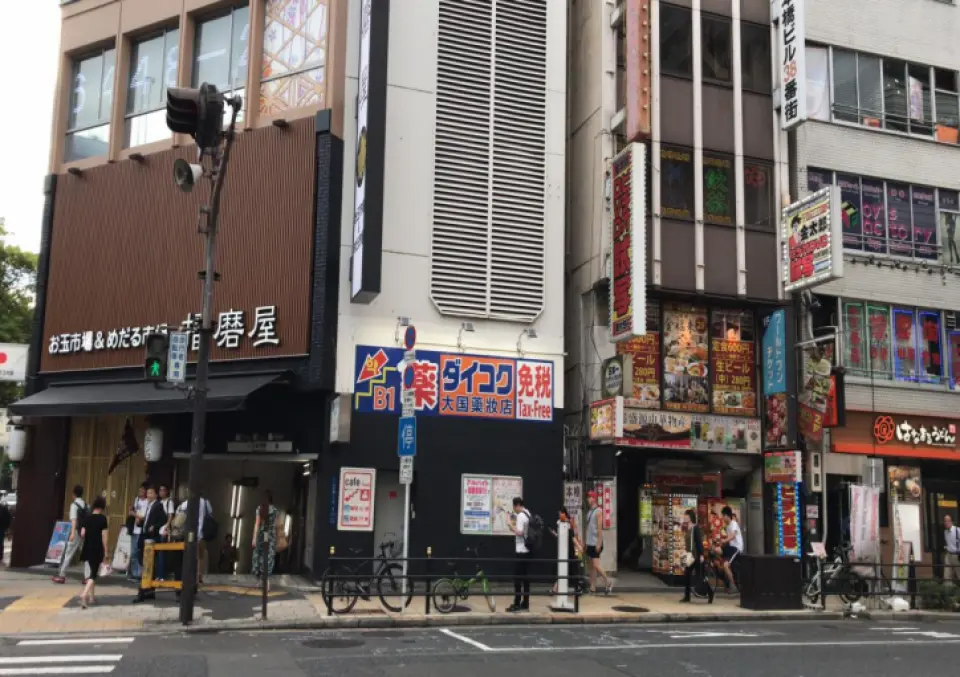
- 08:30Meet at Nihonbashi Exit 2 (Namba Shinsaibashi area)
- 09:50The lotus fountain at the gate of Higashi Honganji Temple Mikagedo
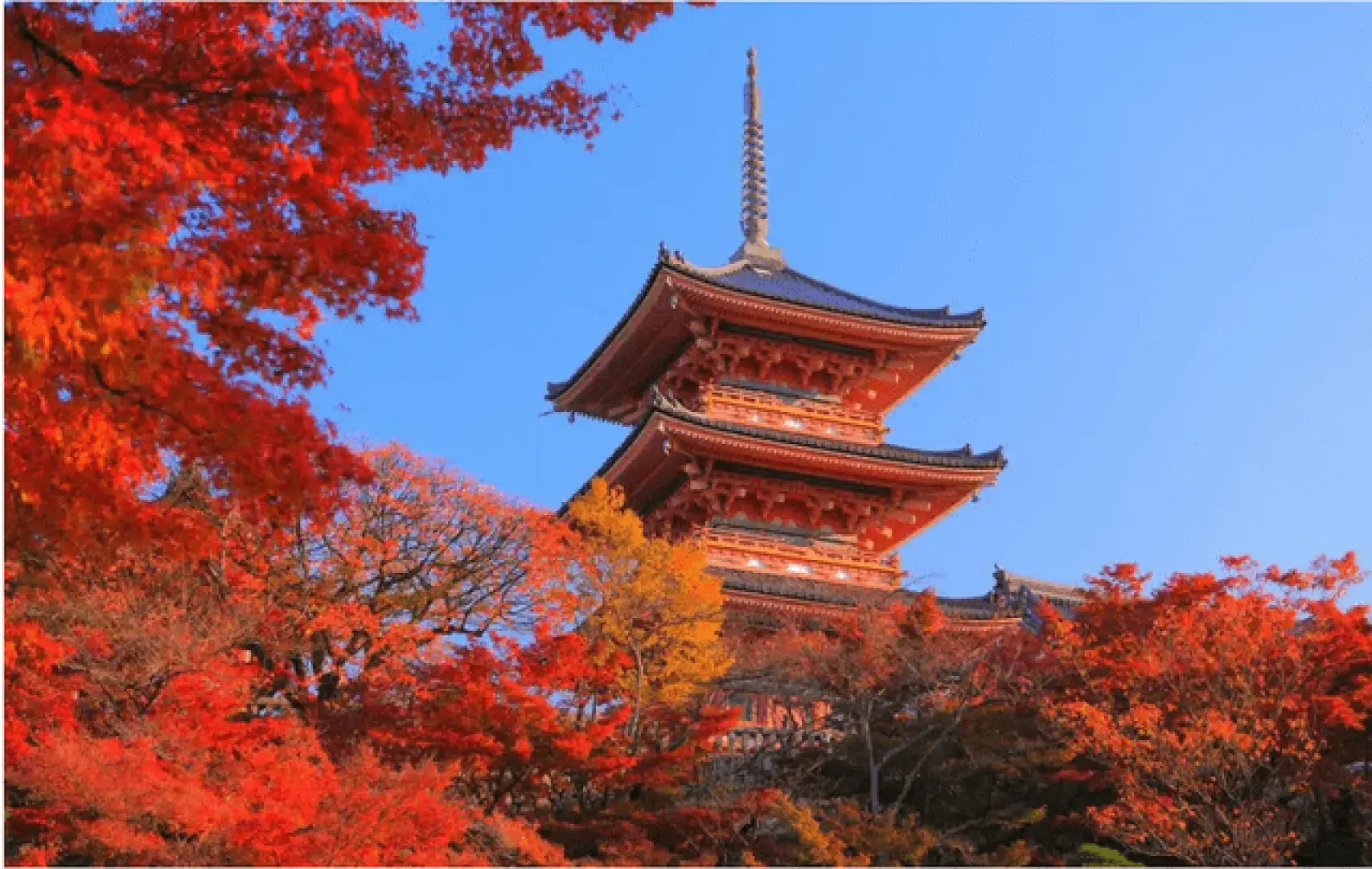
- 10:00Kiyomizudera Temple in Kyoto
- 13:30Fushimi Inari Taisha Shrine
- 16:00Nara Park
- 17:30Return to Osaka Shinsaibashi







Important Info
Includes/Excludes
Eligible Users
How to Redeem Your Voucher
How to Use Your Voucher
- Please present the e-voucher on-site
Meeting Point
Location Name: Nihonbashi Exit 2 (Namba Shinsaibashi area)
Address: Nihonbashi 1-3-6, Chuo-ku, Osaka-shi, Osaka PrefectureLocation Name: The lotus fountain at the gate of Higashi Honganji Temple Mikagedo
Address: In front of the Goeido-mon Gate Lotus Fountain 754 Tokiwacho, Shimogyo Ward, Kyoto, 600-816Cancellation Policy
- Cancellations 4 day(s) (inclusive) before the selected date are allowed. Unused orders can be canceled for free
- For cancellations made 2 to 3 days prior to selected date, a cancellation fee of 50% will apply
- Cancellation is not allowed between 0–1 days from the selected date. Orders cannot be canceled or modified, and refunds will not be granted.
- Due to time zone differences, the confirmed cancellation date is based on the supplier’s local time. Please allow 2–5 business days to process your cancellation request, after which the cancellation fee will be charged according to the product’s cancellation policy. Once the cancellation is confirmed, you will receive your refund within 14 working days.
Get Help


Contact Merchant


