
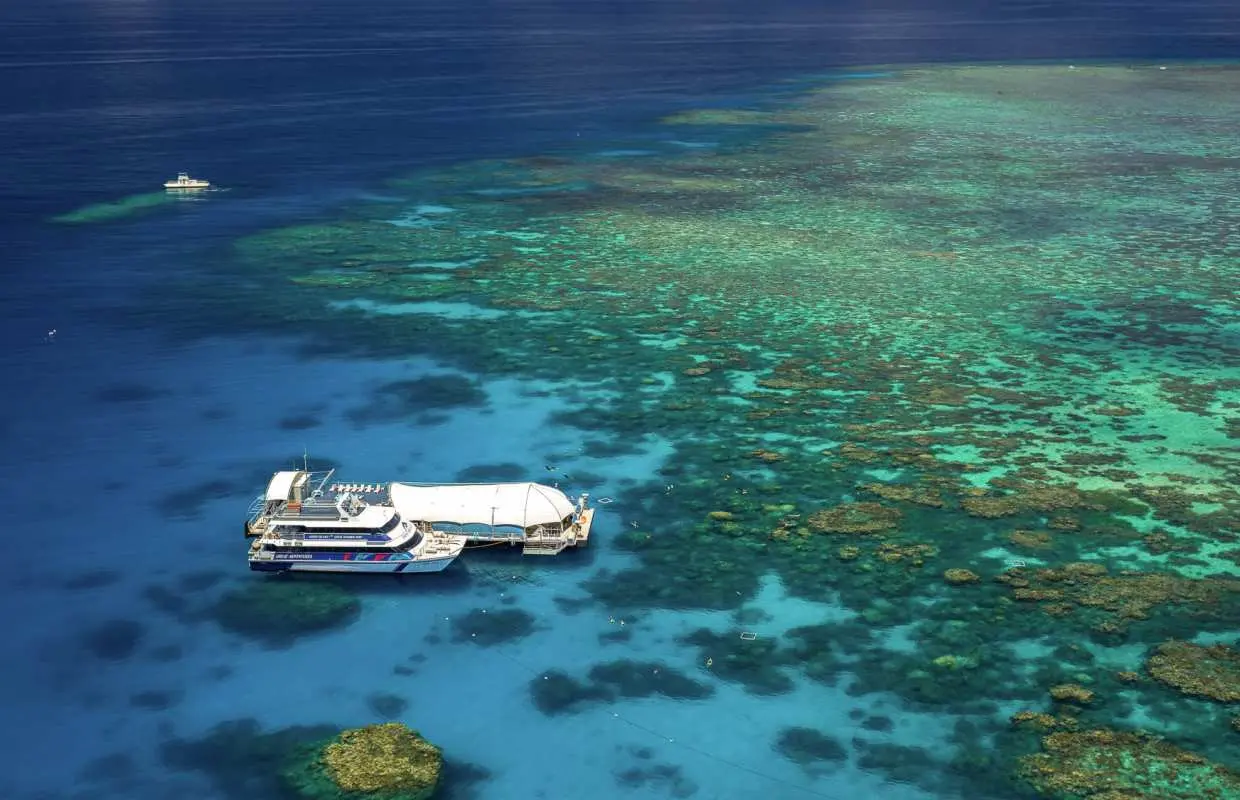


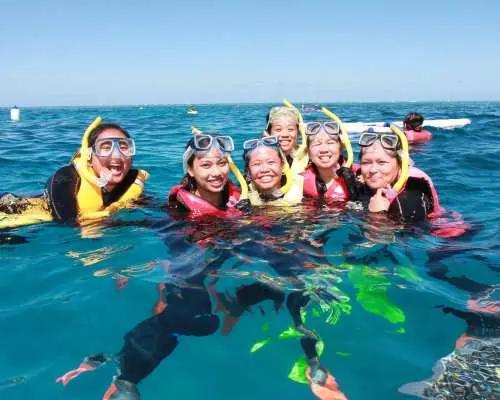

[Eco Tour] Great Adventures Cruises | Great Barrier Reef Adventure | Cairns
- Board a Great Adventures cruise and explore the wonders of the Great Barrier Reef
- This ECO Certified Advanced ecotourism experience ensures the operator is committed to environmental best practices
Package Options


Sightseeing Tours
| Tour Type | Shared tour |
| Transportation method | Get there on your own |
| Tour types | Guided tour |
| Meal arrangement | Lunch included |
| Sightseeing type | Natural sights, Eco-tourism |
| Transport | Sightseeing cruise |
| Cruise type | Semi-sub |
Product Info
Purchase Notice
- Make sure to bring:
- Swimming costume
- Beach towel
- Sun hat
- Sunscreen
- Comfortable shoes
- Money for drinks, souvenirs, and optional activities
- A sense of adventure! - Certain medical conditions (e.g. diabetes, asthma, etc.) and medications may preclude some people from scuba diving
- Passengers must be age 12 or above to participate in scuba diving
- For flying after diving, a 12-hour wait is recommended. This is preferably a 24-hour wait if multiple dives were done
- Certified divers must show a PADI, Naui, SSI, or equivalent certification card, logbook, or verification letter
Reminders
Please arrive at the designated location 60 minute(s) before the scheduled departure time, as the tour will depart on time
Cancellation Policy
- Once the order has been completed, it cannot be canceled, modified, or refunded
- Due to time zone differences, the confirmed cancellation date is based on the supplier’s local time. Please allow 2–5 business days to process your cancellation request, after which the cancellation fee will be charged according to the product’s cancellation policy. Once the cancellation is confirmed, you will receive your refund within 14 working days.
FAQ
The Great Barrier Reef is the world's largest coral reef system, located off the coast of Queensland, Australia. It stretches over 2,300 kilometers and is composed of over 3,000 individual reefs and 900 islands. It's a UNESCO World Heritage site, recognized for its exceptional natural beauty and immense scientific importance. It supports incredible biodiversity, including a vast array of fish, corals, sharks, turtles, and marine mammals, making it crucial for global marine ecosystems and research.
Yes, visitors can absolutely still swim and snorkel in designated areas of the Great Barrier Reef. These activities are central to experiencing its vibrant marine life and coral formations. Tour operators ensure activities take place in permitted zones to protect sensitive ecosystems. It's important to follow all guidelines provided by your eco-certified tour, such as avoiding touching coral and using reef-safe sunscreen, to ensure responsible and sustainable enjoyment of this natural wonder.
The boat journey from Cairns to the outer Great Barrier Reef, where adventure cruises typically visit, generally takes between 1.5 to 2 hours, depending on the specific reef site and vessel speed. Most cruises depart from the Cairns Reef Fleet Terminal. The time is well-spent, offering scenic views as you approach the stunning coral formations and prepare for your reef activities.
The Great Barrier Reef holds significant global recognition as a UNESCO World Heritage site, inscribed for its outstanding universal value and immense ecological importance. It is often referred to as one of the world's most spectacular natural wonders. Its status highlights its unique biodiversity, vastness, and critical role in global marine science, leading to ongoing international efforts for its protection and conservation.
The Great Barrier Reef faces several environmental health concerns, primarily driven by climate change. These include rising ocean temperatures leading to coral bleaching events, ocean acidification, and impacts from land-based runoff pollution. Efforts are continuously underway to monitor and mitigate these threats, with a strong focus on conservation, sustainable tourism practices, and scientific research to ensure the reef's long-term health.
Cruises like Great Adventures, which are ECO Certified Advanced ecotourism experiences, play a crucial role in promoting the Great Barrier Reef's environmental sustainability. They adhere to stringent environmental best practices, including responsible waste management, minimizing carbon footprints, and ensuring activities are conducted without harm to the reef. They also contribute through visitor education programs, fostering appreciation for the reef, and sometimes supporting research initiatives to monitor its health.
The main departure point for Great Barrier Reef cruises in Cairns is the Reef Fleet Terminal, located centrally at 1 Spence Street. Most accommodations in Cairns city center are within walking distance. Alternatively, you can take a taxi, ride-share service, or use local bus services which have stops conveniently located near the terminal. Many tour operators also offer hotel transfer services as an optional add-on for convenience.
On a Great Barrier Reef adventure tour, besides snorkeling, visitors can engage in various other activities. These often include introductory or certified scuba diving for a closer look at marine life, guided semi-submersible or glass-bottom boat tours offering dry reef viewing, and visits to underwater observatories to witness the reef from a unique perspective. Many tours also feature informative presentations by marine biologists, enhancing understanding of the reef's ecosystem.
Get Help


