
Get Exclusive App Deals
Product #590378


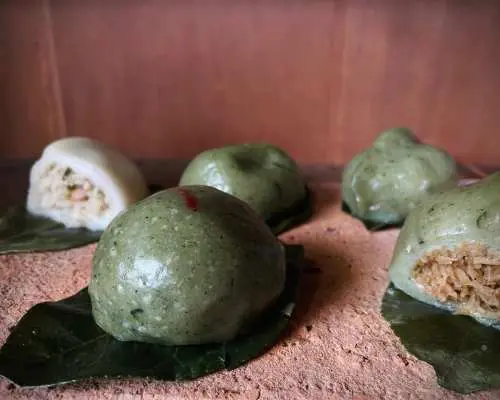


Zou Ji Vegetable Bun | Michelin Bib Gourmand Recommended
Sold 100+
Free cancellation
Please present your QR code on-site
- Hakka vegetable buns feature a chewy glutinous rice skin filled with shredded radish, shiitake mushrooms, and minced meat for a rich texture.
- The bun is shaped like a pig cage, symbolizing the resilience and frugality of the Hakka people.
- Every bite is filled with the warmth and hospitality of Hakka tradition.
Package Options
More Options
Product Info
Important Info
Reminders
Once any item or gift has been redeemed, returns and refunds are not accepted.
These vegetable buns are made fresh/handmade and should be consumed on the same day. Please do not leave them for too long.
Please be sure to pay attention to the store's business hours. If you cannot redeem during that time, please redeem during other normal business hours within the validity period.
Redemption Location
Available for Redemption
Zou Ji Vegetable Buns | Zhongzheng Store
Address Info: 314 No. 49, Zhongzheng Road, Beipu Village, Beipu Township, Hsinchu County, TaiwanService Hours
Monday 10:00 - 16:00
Tuesday 10:00 - 16:00
Wednesday 10:00 - 16:00
Thursday 10:00 - 16:00
Friday 10:00 - 16:00
Saturday 08:00 - 17:00
Sunday 08:00 - 17:00
How to Redeem Your Voucher
How to Use Your Voucher
- Please present your QR code on-site
Cancellation Policy
- Free cancellation!
NOTE
- Due to time zone differences, the confirmed cancellation date is based on the supplier’s local time. Please allow 2–5 business days to process your cancellation request, after which the cancellation fee will be charged according to the product’s cancellation policy. Once your refund request is confirmed, KKday will initiate the refund to your original payment method within 15 days. The actual refund timing depends on your card-issuing bank’s policy.


