


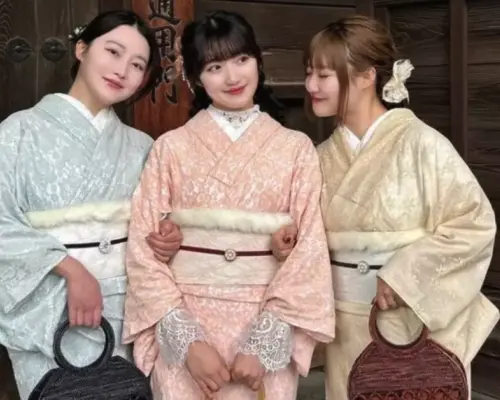

Kamakura, Japan | Popular Kimono Rental Experience (Provided by Rinka Kimono)
- Rika Wafuku has over 230,000 customers annually.
- "Rika Wafuku Kamakura Store" is just a 4-minute walk from Kamakura Station, providing easy access to popular tourist attractions such as Tsurugaoka Hachimangu Shrine, Kamakura Great Buddha, and Meigetsuin Temple.
- The rental prices are the lowest in the area, allowing you to enjoy kimono rental services at a low price.
- We have over 300 kimonos for loan, ranging from trendy cute lace kimonos to simple and sophisticated kimonos, and classic retro kimonos.
- In summer, you can choose a yukata.
- If you wish to book a photoshoot, please select the same date and time from here and use the same booking name.
Package Options
Cultural Experiences
| Transportation method | Get there on your own |
| Location | Indoor |
| Experience type | Costume rental |
| Outfit type | Kimono, Yukata |
| Cultural experience type | Traditional culture experience |
Product Info
What You Can Expect
1 Day
- [Arrival at the Shop] We have all the accessories needed for kimono rental, so you can come empty-handed.
- [Staff Reception] Here, you can add other options, so please let us know on the day if you wish to add any. Please note: Cash only for on-site payment. Thank you for your understanding!
- [Choosing a Kimono/Yukata] At our shop, you can choose any number of kimonos, no matter which package you book! Prices do not vary based on the type of kimono or yukata rented, so please rest assured. If necessary, our experienced kimono and hairstylists will provide style suggestions.
- The [Kimono/Yukata Attire] set includes all the necessities, such as split-toe socks and a drawstring purse. There's nothing particularly special you need to prepare, so don't worry.
- [Hairstyle Design] You can choose one hairstyle from 5 options. Men's hairstyle design services are not available.
- 【Luggage Storage Service】Luggage not needed for sightseeing can be stored at the store. Large luggage such as suitcases will incur an additional fee. Payment can be made on-site if you wish.
- 【Wear a Kimono for Sightseeing】The location is convenient for sightseeing, and you can immediately enjoy strolling around tourist attractions in a kimono after renting one. There are tourist attractions and restaurants nearby, so please enjoy your walk in your kimono until you return it.
- [Kimono Return] Please return the kimono before the final return time of 5:30 PM. Please note that if you do not return the item on time, a late fee will be charged.
- [Hairstyle Settings Menu] The Rinka Kimono's hairstyle settings menu includes 5 different styles. We offer popular ponytail hairstyles, classic braided hairstyles, and settings suitable for short and medium-length hair. No matter the length of your hair, we have popular hairstyle settings options for you.
![[Arrival at the Shop] We have all the accessories needed for kimono rental, so you can come empty-handed.](https://image.kkday.com/v2/image/get/c_fit%2Cq_55%2Ct_webp%2Cw_960/s1.kkday.com/product_537601/20251028023433_6TDfJ/png)
![[Arrival at the Shop] We have all the accessories needed for kimono rental, so you can come empty-handed.](https://image.kkday.com/v2/image/get/c_fit%2Ch_1080%2Cq_55%2Ct_webp%2Cw_1920/s1.kkday.com/product_537601/20251028023433_6TDfJ/png)
![[Staff Reception] Here, you can add other options, so please let us know on the day if you wish to add any. Please note: Cash only for on-site payment. Thank you for your understanding!](https://image.kkday.com/v2/image/get/c_fit%2Cq_55%2Ct_webp%2Cw_960/s1.kkday.com/product_537601/20251028023433_wj6Lh/png)
![[Staff Reception] Here, you can add other options, so please let us know on the day if you wish to add any. Please note: Cash only for on-site payment. Thank you for your understanding!](https://image.kkday.com/v2/image/get/c_fit%2Ch_1080%2Cq_55%2Ct_webp%2Cw_1920/s1.kkday.com/product_537601/20251028023433_wj6Lh/png)
![[Choosing a Kimono/Yukata] At our shop, you can choose any number of kimonos, no matter which package you book! Prices do not vary based on the type of kimono or yukata rented, so please rest assured. If necessary, our experienced kimono and hairstylists will provide style suggestions.](https://image.kkday.com/v2/image/get/c_fit%2Cq_55%2Ct_webp%2Cw_960/s1.kkday.com/product_537601/20251028023434_SQCCM/png)
![[Choosing a Kimono/Yukata] At our shop, you can choose any number of kimonos, no matter which package you book! Prices do not vary based on the type of kimono or yukata rented, so please rest assured. If necessary, our experienced kimono and hairstylists will provide style suggestions.](https://image.kkday.com/v2/image/get/c_fit%2Ch_1080%2Cq_55%2Ct_webp%2Cw_1920/s1.kkday.com/product_537601/20251028023434_SQCCM/png)
![The [Kimono/Yukata Attire] set includes all the necessities, such as split-toe socks and a drawstring purse. There's nothing particularly special you need to prepare, so don't worry.](https://image.kkday.com/v2/image/get/c_fit%2Cq_55%2Ct_webp%2Cw_960/s1.kkday.com/product_537601/20251028023434_AcrBA/png)
![The [Kimono/Yukata Attire] set includes all the necessities, such as split-toe socks and a drawstring purse. There's nothing particularly special you need to prepare, so don't worry.](https://image.kkday.com/v2/image/get/c_fit%2Ch_1080%2Cq_55%2Ct_webp%2Cw_1920/s1.kkday.com/product_537601/20251028023434_AcrBA/png)
![[Hairstyle Design] You can choose one hairstyle from 5 options. Men's hairstyle design services are not available.](https://image.kkday.com/v2/image/get/c_fit%2Cq_55%2Ct_webp%2Cw_960/s1.kkday.com/product_537601/20251028023434_CJzrQ/png)
![[Hairstyle Design] You can choose one hairstyle from 5 options. Men's hairstyle design services are not available.](https://image.kkday.com/v2/image/get/c_fit%2Ch_1080%2Cq_55%2Ct_webp%2Cw_1920/s1.kkday.com/product_537601/20251028023434_CJzrQ/png)
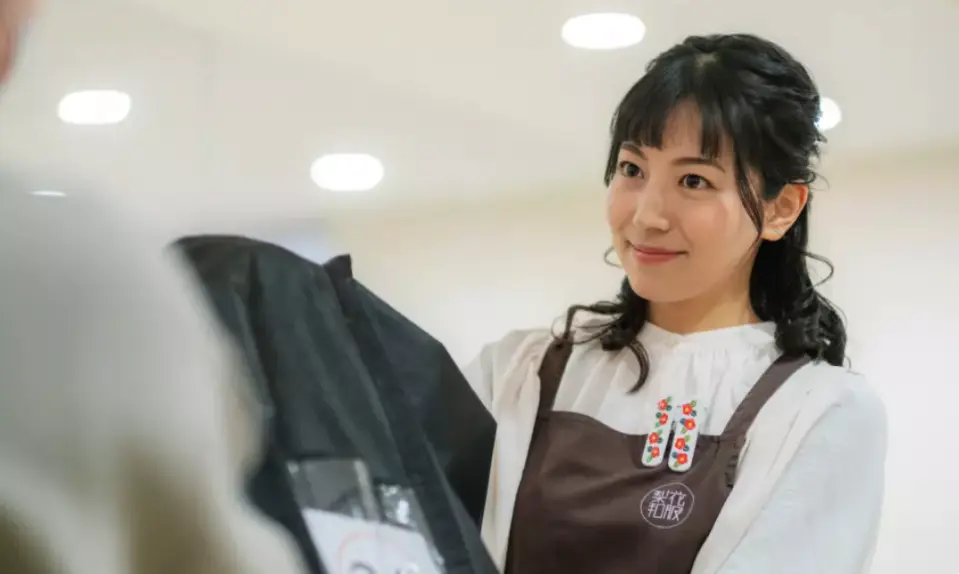


![[Kimono Return] Please return the kimono before the final return time of 5:30 PM. Please note that if you do not return the item on time, a late fee will be charged.](https://image.kkday.com/v2/image/get/c_fit%2Cq_55%2Ct_webp%2Cw_960/s1.kkday.com/product_537601/20251028023434_7IZrG/png)
![[Kimono Return] Please return the kimono before the final return time of 5:30 PM. Please note that if you do not return the item on time, a late fee will be charged.](https://image.kkday.com/v2/image/get/c_fit%2Ch_1080%2Cq_55%2Ct_webp%2Cw_1920/s1.kkday.com/product_537601/20251028023434_7IZrG/png)
![[Hairstyle Settings Menu] The Rinka Kimono's hairstyle settings menu includes 5 different styles. We offer popular ponytail hairstyles, classic braided hairstyles, and settings suitable for short and medium-length hair. No matter the length of your hair, we have popular hairstyle settings options for you.](https://image.kkday.com/v2/image/get/c_fit%2Cq_55%2Ct_webp%2Cw_960/s1.kkday.com/product_537601/20251028023434_AIqDV/png)
![[Hairstyle Settings Menu] The Rinka Kimono's hairstyle settings menu includes 5 different styles. We offer popular ponytail hairstyles, classic braided hairstyles, and settings suitable for short and medium-length hair. No matter the length of your hair, we have popular hairstyle settings options for you.](https://image.kkday.com/v2/image/get/c_fit%2Ch_1080%2Cq_55%2Ct_webp%2Cw_1920/s1.kkday.com/product_537601/20251028023434_AIqDV/png)
Purchase Notice
- Please arrive at the store 15 minutes before your appointment time.
- Some establishments do not have restrooms. Please be sure to prepare before you come.
- Only those using this service may enter the store. • If you are late, please understand that priority will be given to other customers who arrived at their scheduled times, which may result in a delayed departure time.
- From your arrival and preparations (such as changing clothes) to your official departure, it will take approximately 1 hour. There will be no additional charges as long as you return your items before 5:30 PM.
[Add/Change Appointment]
- Other options can be added at the store on the same day. Please inform the counter upon your arrival.
Terms of Service
- Please be sure to review our terms of use. We need to know if you agreed to them at the time of booking. https://ewha-yifu.com/service/
Frequently Asked Questions
- The next page summarizes frequently asked questions. Please read this before contacting us. https://ewha-yifu.com/faq/
【ask】
- Please use the chat function in the online store to contact us.
Reminders
For safety reasons, pregnant women and children under 3 years old are prohibited from using this experience.
Regardless of which option you choose, you have the freedom to select from all available rental kimonos, including popular lace kimonos and unique vintage kimonos. Choosing an option will not limit your selection of kimonos.
Please arrive at the store 15 minutes before your appointment time.
Some establishments do not have restrooms. Please be sure to prepare before you come.
Only those who use the service are allowed to enter the store.
If you are late, please understand that we will prioritize serving other customers who arrive at the store at their scheduled times, which may cause a delay in departure.
From your arrival and preparations (such as changing clothes) to your official departure, it will take approximately 1 hour. There will be no additional charges as long as you return your items before 5:30 PM.
How to Redeem Your Voucher
How to Use Your Voucher
- Please present the e-voucher on-site
Experience Location
Location Name: Rinka Kimono Kamakura Store
Address: Japan, 〒248-0006 Komachi 2-chome 12-37, Kamakura City, Kanagawa Prefecture, Takuya イビルⅡ 2-BMonday 09:30–17:30
Tuesday 09:30–17:30
Wednesday 09:30–17:30
Thursday 09:30–17:30
Friday 09:30–17:30
Saturday 09:30–17:30
Sunday 09:30–17:30
Business hours may vary on holidays and during peak hours.
FAQ
When wearing a Kamakura kimono, the correct collar overlap is 'left over right'. This means your left collar should be placed over your right collar. This is an important etiquette in Japanese kimono culture, so please be mindful of it, as the reverse is typically used for the deceased. The correct way of wearing is not only aesthetically pleasing but also shows respect for local culture.
To ensure comfort and a smooth appearance when wearing a Kamakura kimono, it is recommended to wear seamless, wire-free, or relatively flat undergarments. Avoid wearing overly fancy or heavily decorated undergarments, as they might show through the kimono fabric. Additionally, choosing moisture-wicking materials for your undergarments will enhance your comfort during the experience, especially in warmer weather.
When using the restroom while wearing a Kamakura kimono, it is recommended to carefully lift the outer and inner layers of the kimono's hem upwards and secure them at the chest with the obi or a clip. This will prevent the hem from touching the ground or getting wet. Once in the restroom, carefully squat or sit down. After you are finished, be sure to re-smooth the hem to maintain its neat appearance.
For women using the restroom while wearing a Kamakura kimono, in addition to general techniques, special attention should be paid to managing the skirt. Due to the multiple layers and the length of the kimono skirt, it is recommended to lift all layers from bottom to top and secure them well, ensuring they are completely off the ground. After using the restroom, gently smooth the fabric to maintain the elegant appearance of the kimono.
When wearing a Kamakura kimono, please arrange the front hem before sitting down to avoid creasing it directly. Maintain an upright posture, keep your knees together, and try to sit sideways or lightly on the edge of the seat, avoiding deep bends or crossing your legs. For daily movements, take small, elegant steps. When going up or down stairs, gently lift the front hem of the kimono to prevent tripping or soiling.
During a Kamakura kimono experience, in addition to wearing the collar 'left over right', walk with small, dainty steps and avoid taking large strides or running. When bowing, keep your upper body straight and your movements gentle. Be particularly careful when eating or drinking to avoid staining the kimono. At the same time, maintaining the cleanliness and integrity of the kimono is a sign of respect for its cultural value.
When engaging in outdoor activities while wearing a Kamakura kimono, be mindful of your surroundings and maintain an elegant demeanor. Your steps should be smaller than usual, and avoid rushing. In narrow passages or crowded areas, be careful not to bump into others or damage the kimono. When getting in and out of vehicles or using public transportation, pay attention to the height of your steps and ensure the kimono hem does not get caught or soiled.
For a Kamakura kimono experience, it is recommended to carry a small, lightweight bag or tote bag to avoid heavy backpacks that could deform the kimono or cause discomfort. Important valuables and your phone can be placed in a small personal bag, worn inside the kimono or carried by hand. Rental shops usually provide traditional kimono bags for a few personal items, making it easy to explore Kamakura comfortably.
Get Help


