

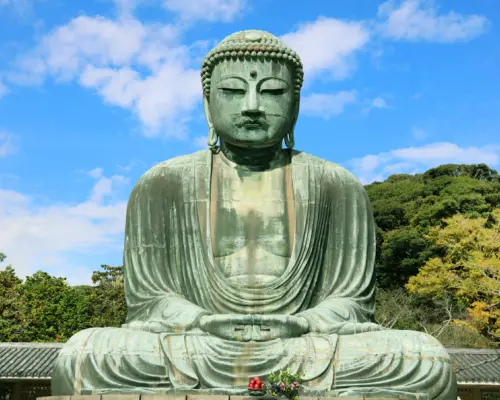


Hakone Shirakawa-go Kanazawa 4 Days Bus Tour from Tokyo to Kyoto
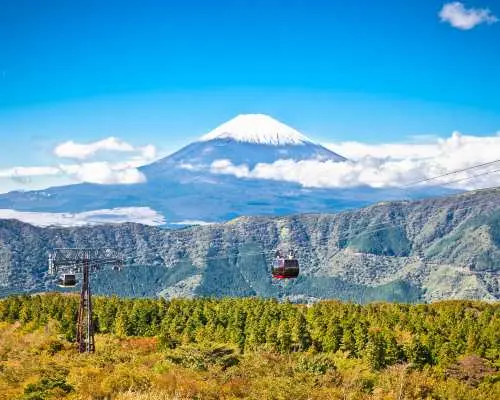
- Explore many viewpoints of Mt.Fuji
- Enjoy beautiful nature and delicious food at Enoshima
- Stroll through Takayama Old Town
- Visit Shirakawa-go, one of the UNESCO World Heritage Sites
- Stroll around Kenrokuen Garden, one of the Japan's three most beautiful gardens
Package Options


Product Info
Purchase Notice
This is not a private tour, you will enjoy the tour with other guests together.
We might cancel the tour if we do not have at least 20 participants by 14 days before the scheduled departure.
Depending on the number of participants, we may use public transportation.
Reminders
Customer Guidelines:
Please arrive at the meeting location 15 minutes prior to the departure time.
IMPORTANT: The bus will depart according to the schedule and will not wait for late arrivals.
Please be aware that weekends, holidays, and event days may experience high levels of congestion.
The schedule is subject to change without prior notice.
This tour basically utilizes a bus, and there may be delays in arrival time due to traffic or other factors.
Due to traffic or other reasons, the duration of visits at each destination may be shortened, and arrival times may be delayed.
Refunds will not be provided if you fail to arrive at the meeting location on time (no show).
In the event of a natural disaster, such as a typhoon, the tour will be canceled, and a full refund will be issued.
Wearing your seatbelt is mandatory while the bus is in motion due to legal regulations.
Smoking is strictly prohibited on the bus.
Please refrain from standing up while the bus is in motion.
If you accidentally leave any belongings on the bus, please be aware that they will be disposed of.
Please personally take responsibility for your valuables.
Please inform us of any allergies or dietary restrictions when you book. especially if the tour includes lunch.
We can accommodate your luggage and keep it in the bus luggage compartment during the tour.
Note: These guidelines are provided to ensure a safe and enjoyable experience. Thank you for your cooperation.
Cancellation Policy
- Cancellations 21 day(s) (inclusive) before the selected date are allowed. Unused orders can be canceled for free
- For cancellations made 8 to 20 days prior to selected date, a cancellation fee of 20% will apply
- For cancellations made 2 to 7 days prior to selected date, a cancellation fee of 30% will apply
- For cancellations made 1 to 1 days prior to selected date, a cancellation fee of 40% will apply
- For cancellations made 0 to 0 days prior to selected date, a cancellation fee of 50% will apply
- Due to time zone differences, the confirmed cancellation date is based on the supplier’s local time. Please allow 2–5 business days to process your cancellation request, after which the cancellation fee will be charged according to the product’s cancellation policy. Once the cancellation is confirmed, you will receive your refund within 14 working days.
FAQ
The Hakone region boasts abundant natural and cultural attractions. You can take a ride on the Hakone Sightseeing Cruise to explore Lake Ashi and admire the picturesque scenery. The Hakone Ropeway offers panoramic views of the volcanic hot springs and sulfur vents in Owakudani. Additionally, the Hakone Open-Air Museum provides a unique experience blending outdoor art with nature, while Hakone Yumoto Onsen allows you to enjoy the pleasure of traditional Japanese hot spring bathing.
Hakone is renowned for its unique traditional crafts and local specialties. You can consider purchasing 'Yosegi-zaiku,' exquisite woodwork crafts made by skillfully piecing together various types of wood to create geometric patterns. Furthermore, Hakone's specialty sweets like 'Onsen Manju' (hot spring buns) and 'Kuro Tamago' (black eggs), along with Hakone-exclusive souvenirs and cultural merchandise, make for excellent gifts or personal keepsakes.
Hakone offers different charms in every season, but generally, spring (April-May) is ideal for cherry blossoms, and autumn (October-November) is perfect for viewing fall foliage, making these the most popular travel seasons. Summer (July-August) tends to be hot and humid, while winter (December-March) may experience snow and lower temperatures. It is advisable to visit in spring or autumn, and be mindful of the temperature difference between day and night, packing appropriate clothing.
Hakone is one of the prime locations for viewing Mount Fuji. Lake Ashi is a classic spot for capturing the reflection of Mount Fuji, with particularly excellent views from the Hakone Sightseeing Cruise. Additionally, on clear days, the Hakone Ropeway provides a magnificent panoramic perspective of the mountain. Some hot spring inns or observation decks located at higher elevations also frequently offer beautiful views of Mount Fuji.
Enoshima Island, in addition to its beautiful coastal scenery, is also famous for its seafood delicacies. You can savor fresh 'Chirimen-jako Donburi' (whitebait rice bowl), a unique local delicacy. Moreover, Enoshima's 'Tako Senbei' (octopus crackers) are a must-try snack, with their freshly baked crispy texture being a favorite among visitors. The island also has numerous restaurants serving seafood dishes, allowing you to fully enjoy the local flavors.
Takayama's old town is known for its well-preserved Edo-period architecture and traditional streets, earning it the nickname 'Little Kyoto.' Its distinctive features include ancient merchant houses, sake breweries, and historically significant temples. It is recommended to spend at least half a day to a full day to wander through the old street 'Sanmachi-suji,' visit Takayama Jinya, and sample local specialties such as Hida beef sushi and Hoba Miso.
The Gassho-zukuri village of Shirakawa-go is a UNESCO World Heritage site, characterized by its unique thatched-roof houses named for their shape resembling hands clasped in prayer. This architectural style was developed to withstand heavy winter snow and is a testament to the ingenuity of the local residents. Key visiting points include the Wada House and Nagase House, which are open to the public, and the Shiroyama Viewpoint, offering panoramic views of the entire village.
Kenrokuen is considered the foremost of Japan's Three Great Gardens, named for embodying six beautiful attributes: 'spaciousness, seclusion, artificiality, antiquity, water features, and scenic overlooks.' Its design integrates pond-strolling and borrowed scenery techniques to create landscapes suitable for all seasons. Notable features within the garden include the Penglai Island in Kasumi Pond, the Kotoji Lantern, the snow-hanging display of the Karasaki Pine, and a unique winding stream design, all showcasing the essence of Japanese garden art.
Get Help


