
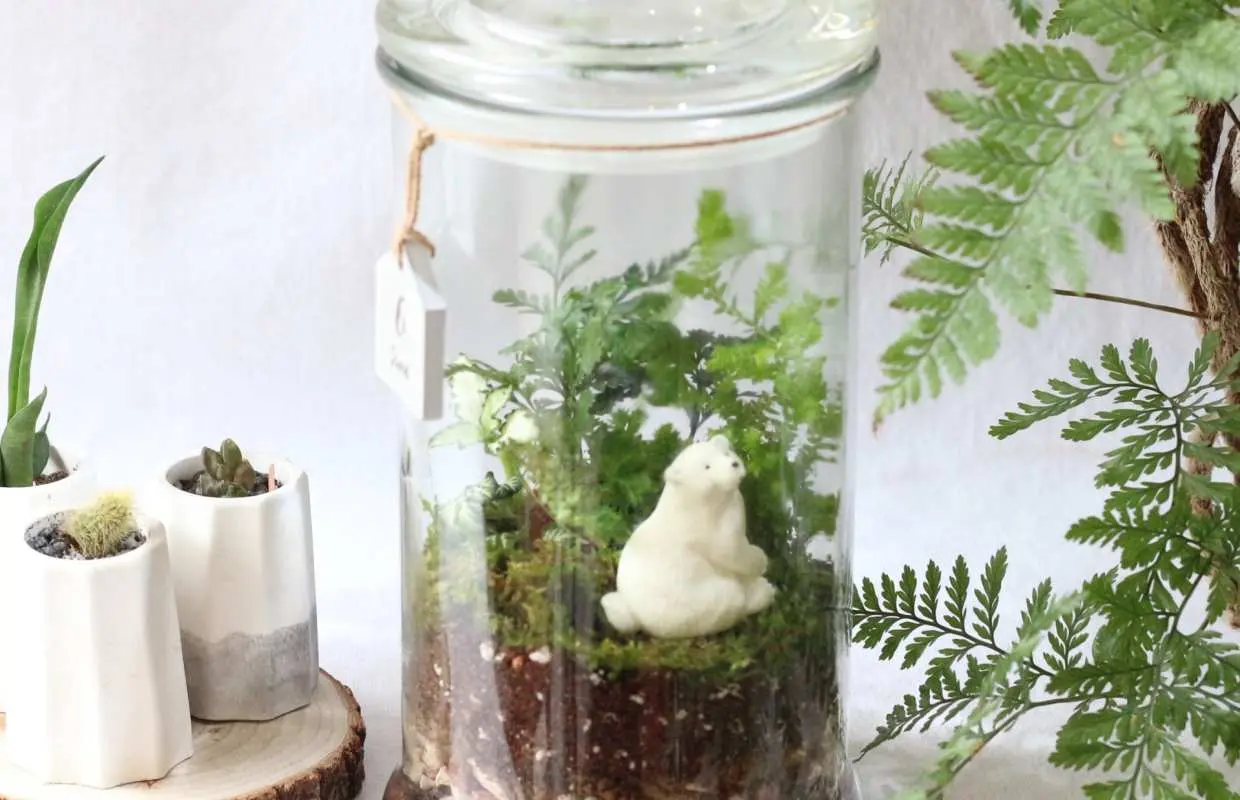

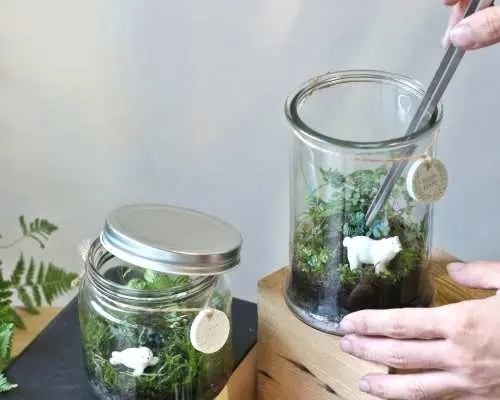

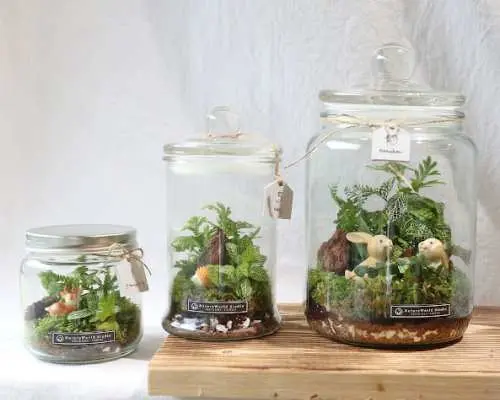
Hsinchu | The Secrets of Plant Ecosystems/Water Cycles + DIY Ecosystems | Planting Experience | Guaranteed Departure for Solo Traveler
- No prior knowledge required, suitable for beginners
- Electronic equipment assistance and professional teaching assistant support
- Understanding the mysteries of Earth's cycles and the principles of the ecosphere
- Simple and easy to care for, making you a green finger
- Understanding the Healing Power of Plants
- Three sizes are available
- A group can be formed by one person.
Package Options
Product Info
Important Info
Includes/Excludes
- Dining expenses
- Insurance
Reminders
Important notes for registering for the experience activity: To ensure the quality of the activity and protect your own rights, please read the following information carefully. Placing an order signifies your agreement to the following terms.
Because live plants cannot be taken out of the country, foreign tourists are not advised to sign up for plant-related experience activities.
After completing your artwork, you will need to bring your own bag to hold it. In order to protect the environment, we do not provide bags. If you need a paper bag, you can purchase it on-site for NT$10-15 each.
Weather impact: In the event of unforeseen natural disasters such as typhoons or earthquakes, the organizer reserves the right to reschedule or change the experience content.
3. If you are unable to attend the event at your scheduled time, please call to inquire about alternative times. If you do not attend, the event will be considered complete and no refund will be issued!
4. Each participant may only accept a maximum of one accompanying person. If the number of accompanying persons exceeds the number of participants, the organizer may charge a venue fee (please be sure to inform us of the number of accompanying persons via private message).
How to Redeem Your Voucher
How to Use Your Voucher
- Please present the e-voucher on-site
Meeting Point
Location Name: * Original Eco-Friendly Four Seasons Studio
Address: 1st Floor, No. 119, Minxiang Street, East District, Hsinchu CityCancellation Policy
- Cancellations 8 day(s) (inclusive) before the selected date are allowed. Unused orders can be canceled for free
- For cancellations made 4 to 7 days prior to selected date, a cancellation fee of 30% will apply
- For cancellations made 1 to 3 days prior to selected date, a cancellation fee of 50% will apply
- Cancellation is not allowed between 0–0 days from the selected date. Orders cannot be canceled or modified, and refunds will not be granted.
- Due to time zone differences, the confirmed cancellation date is based on the supplier’s local time. Please allow 2–5 business days to process your cancellation request, after which the cancellation fee will be charged according to the product’s cancellation policy. Once your refund request is confirmed, KKday will initiate the refund to your original payment method within 15 days. The actual refund timing depends on your card-issuing bank’s policy.
FAQ
1. How often should I water my Hsinchu ecological bottle after the DIY experience?
The Hsinchu ecological bottle is designed to be largely self-sustaining due to its enclosed environment, mimicking Earth's water cycle. Generally, watering is infrequent. Observe the internal condensation; if the soil appears dry and there's no condensation on the inner walls for several days, a very small amount of distilled water might be needed. The DIY experience emphasizes learning about these self-regulating principles for easy care.
2. What types of plants are suitable for inclusion in the ecological bottle DIY experience in Hsinchu?
For an ecological bottle created in the Hsinchu DIY experience, suitable plants are typically slow-growing, moisture-loving species that thrive in humid environments. Examples often include various types of moss, small ferns, and specific miniature plants. The workshop guides participants in understanding the specific requirements for selecting plants that contribute to a balanced and thriving micro-ecosystem.
3. What is the expected lifespan of a Hsinchu ecological bottle created during the DIY activity?
With proper care and a well-balanced ecosystem established during the DIY activity, a Hsinchu ecological bottle can thrive for many months, even years. The experience aims to teach participants the principles of creating a sustainable micro-environment. Longevity depends on factors like initial plant selection, adequate light exposure, and maintaining a stable internal environment.
4. Does the Hsinchu ecological bottle DIY experience require a specific type of container, such as glass?
While the Hsinchu ecological bottle DIY experience offers three sizes to choose from, glass is the commonly preferred material for the container. Glass is ideal because it allows for clear observation of the 'mystery of water cycle' and the micro-landscape world being created. Its non-porous nature also helps maintain the sealed, humid environment essential for the bottle's ecosystem.
5. What are the general maintenance guidelines to ensure the health of my Hsinchu ecological bottle?
Maintaining your Hsinchu ecological bottle is straightforward, as highlighted by the 'easy to care for' feature of the experience. Key guidelines include placing it in indirect sunlight to avoid overheating, maintaining a stable room temperature, and avoiding direct heat sources. Minimal intervention is usually best; observe for signs of imbalance like excessive condensation or mold, and follow the principles learned during the workshop.
6. What key considerations should I keep in mind when selecting plants for my ecological bottle during the Hsinchu DIY workshop?
During the Hsinchu ecological bottle DIY workshop, key plant selection considerations include choosing slow-growing varieties to prevent overgrowth, plants that tolerate high humidity, and those with compatible light and moisture requirements. The workshop provides guidance from professional assistants to help participants make informed choices that ensure a harmonious and long-lasting miniature ecosystem.
7. What factors influence the longevity and successful growth of plants within a Hsinchu ecological bottle?
Several factors influence the longevity and successful growth within a Hsinchu ecological bottle. These include the initial selection of appropriate plant species, adequate but indirect light exposure, consistent room temperature, and the proper sealing of the container to maintain a stable internal atmosphere. The DIY experience aims to equip you with the knowledge to manage these factors effectively for a thriving bottle.
8. What characteristics make a container material suitable for creating a Hsinchu plant ecological bottle?
For creating a Hsinchu plant ecological bottle, a suitable container material should primarily be transparent to allow light penetration for plant growth and enable observation of the ecosystem. It must also be non-reactive to avoid leaching harmful substances and capable of being sealed tightly to maintain the internal humidity and water cycle. Glass is typically chosen for these optimal characteristics.
Get Help


