
Get Exclusive App Deals
Product #271161


KKday Marketplace
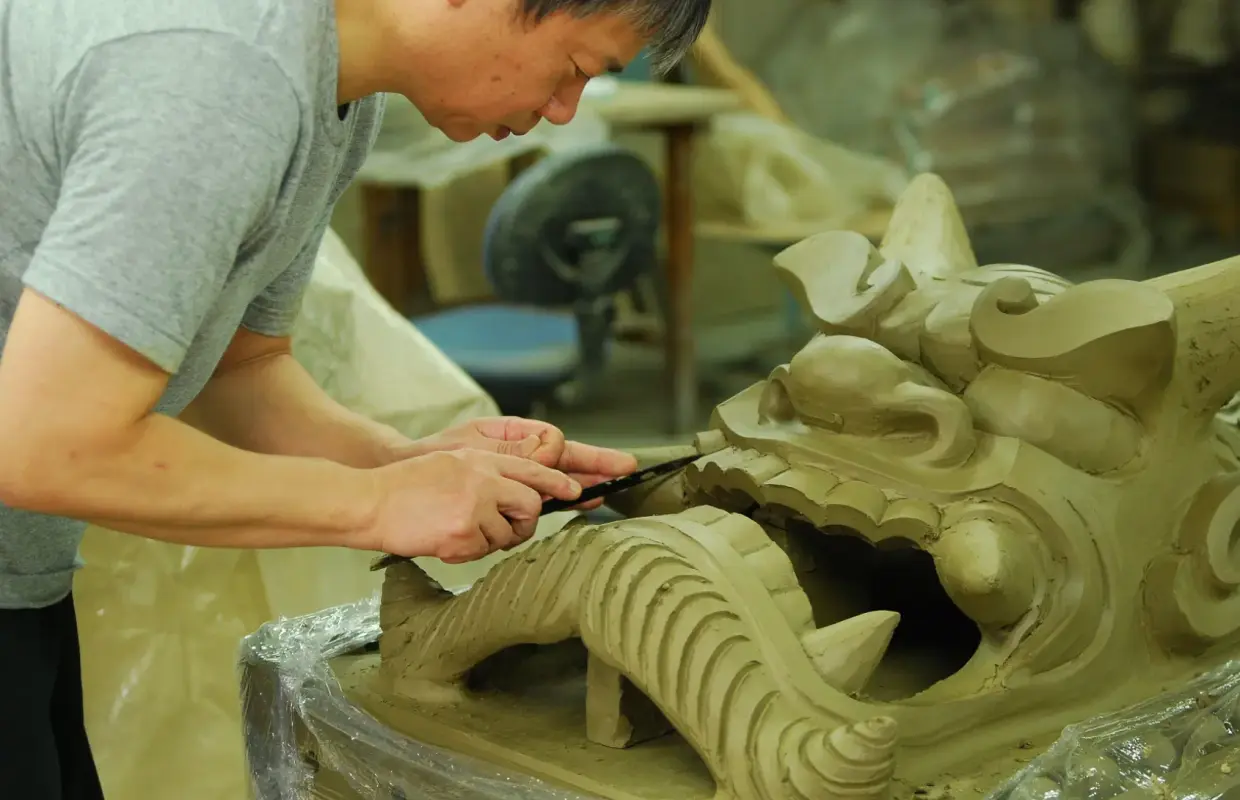
400 years of history! Japan's three major tile production areas: Onigawara craftsmen on Awaji Island: Experience the craftsmanship of the Onigawara craftsmen up close and be moved by the beauty of the smoked silver tiles while observing the manufacturing process. Awaji tile kiln tour experience (Minami Awaji, Hyogo)
- Awaji tiles have been around for 400 years since the Edo period. As one of the three major tile production areas in Japan, tiles are still being manufactured there today. The craftsmen who handcraft oni tiles and decorative tiles are called "Onishi," and this is a rare experience where you can see the masterful skills of the Onishi, whose work can be described as knowing the soil.
Product Info
Important Info
Includes/Excludes
Reminders
Tour the manufacturing plant. Please follow the instructions of the local guide for your safety.
There is no air conditioning in the manufacturing plant or exhibition room. It is hot in the summer and cold in the winter. Please take measures to avoid heatstroke and the cold.
If the tour is cancelled due to bad weather such as a typhoon, we will contact you by the day before.
How to Redeem Your Voucher
How to Use Your Voucher
- Please present the e-voucher on-site
Meeting Point
Location Name: Tatsumi Co., Ltd.
Address: 976 Tsui, Minamiawaji City, Hyogo Prefecture, 656-0341Cancellation Policy
- Cancellations 2 day(s) (inclusive) before the selected date are allowed. Unused orders can be canceled for free
- Cancellation is not allowed between 0–1 days from the selected date. Orders cannot be canceled or modified, and refunds will not be granted.
- Due to time zone differences, the confirmed cancellation date is based on the supplier’s local time. Please allow 2–5 business days to process your cancellation request, after which the cancellation fee will be charged according to the product’s cancellation policy. Once the cancellation is confirmed, you will receive your refund within 14 working days.
Get Help


Contact Merchant


