


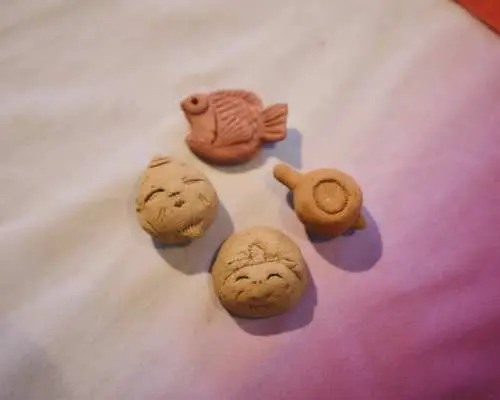
![[Incense making experience] Approximately 70% of domestic incense is produced here! Learn about the history and basics of fragrance from a fragrance master in this town that has been producing incense since the Edo period. After thoroughly learning about fragrance, choose a fragrance and shape to create your own original incense.](https://image.kkday.com/v2/image/get/c_fill%2Ch_400%2Cq_55%2Ct_webp%2Cw_500/s1.kkday.com/product_271138/20250312051805_VnYcM/jpg)
![[Incense making experience] Approximately 70% of domestic incense is produced here! Learn about the history and basics of fragrance from a fragrance master in this town that has been producing incense since the Edo period. After thoroughly learning about fragrance, choose a fragrance and shape to create your own original incense.](https://image.kkday.com/v2/image/get/c_fill%2Ch_400%2Cq_55%2Ct_webp%2Cw_500/s1.kkday.com/product_271138/20250312051809_KNQel/jpg)
[Incense making experience] Approximately 70% of domestic incense is produced here! Learn about the history and basics of fragrance from a fragrance master in this town that has been producing incense since the Edo period. After thoroughly learning about fragrance, choose a fragrance and shape to create your own original incense.
- Approximately 70% of incense sticks made in Japan are produced on Awaji Island. Many manufacturers are concentrated in the Ei district, and you can smell the delicious aroma of incense as you walk through the town. It has even been selected as one of the Ministry of the Environment's "Top 100 Fragrant Landscapes." Visit an incense manufacturer that was founded in 1905 and still maintains traditional handmade manufacturing methods, learn about the history of Awaji Island incense sticks, knowledge of fragrances, and the manufacturing process from a fragrance master called a Kohshi, and experience making your own original incense.
Product Info
Purchase Notice
There is a parking lot for about 10 cars (large buses can be parked) on the right side in front of the Awaji Baikondo Ei Factory (across the Awaji Sunset Line).Only one car can be parked on the left side of the factory (on a slope).
If a typhoon or other severe weather is expected on the day of the experience, we will contact you by the day before.
If this is possible, the operator will contact you at least one day in advance.
Cancellations will be accepted if requested by the customer during business hours (9:00-17:00).
Includes/Excludes
Reminders
[What to wear] Comfortable clothes
How to Redeem Your Voucher
How to Use Your Voucher
- Please present the e-voucher on-site
Meeting Point
Location Name: Awaji Baikondou Ei Factory
Address: 2738-2 Ei, Awaji City, Hyogo Prefecture, 656-1531Cancellation Policy
- Cancellations 11 day(s) (inclusive) before the selected date are allowed. Unused orders can be canceled for free
- For cancellations made 8 to 10 days prior to selected date, a cancellation fee of 20% will apply
- For cancellations made 2 to 7 days prior to selected date, a cancellation fee of 30% will apply
- For cancellations made 1 to 1 days prior to selected date, a cancellation fee of 40% will apply
- Cancellation is not allowed between 0–0 days from the selected date. Orders cannot be canceled or modified, and refunds will not be granted.
- Due to time zone differences, the confirmed cancellation date is based on the supplier’s local time. Please allow 2–5 business days to process your cancellation request, after which the cancellation fee will be charged according to the product’s cancellation policy. Once the cancellation is confirmed, you will receive your refund within 14 working days.
FAQ
During the incense making experience on Awaji Island, you will first learn about the history and basics of fragrance from a skilled master. Following this, you will select your preferred fragrance and shape for your incense. The hands-on process involves mixing ingredients, kneading the mixture, and shaping it into your desired form, such as sticks or cones, to create your unique original incense.
At the Awaji Island workshop, participants can choose from a variety of natural ingredients to customize their incense. Common selections include traditional woods like sandalwood and agarwood, various aromatic spices such as cinnamon and cloves, and different herbs. These natural components are combined with binders to create unique and personalized fragrance blends.
Awaji Island is renowned as a major center for incense production in Japan, accounting for approximately 70% of the domestic market. Its historical significance, dating back to the Edo period, combined with its favorable climate and established manufacturing traditions, has led to a high concentration of skilled artisans and manufacturers in areas like the Ei district, fostering a unique incense-making heritage.
The history of incense making on Awaji Island dates back to the Edo period, when sailors returning from sea brought various incense ingredients to the island. Local artisans began to develop techniques for blending and shaping these materials. Over centuries, these traditional methods were refined and passed down, transforming Awaji Island into a leading producer with deep cultural roots in fragrance creation.
Participants in the Awaji Island incense making experience can expect to gain comprehensive knowledge from a fragrance master, known as a Kohshi. You will learn about the rich history of Awaji Island incense sticks, acquire essential knowledge of various fragrances, and understand the intricate traditional manufacturing processes. The master will guide you in selecting scents and techniques to craft your personal incense.
During the Awaji Island incense making session, personalization is key. You can choose from a diverse range of natural fragrance ingredients, allowing you to create a scent profile that appeals to you. Furthermore, you have the flexibility to select the shape of your incense, whether it's traditional sticks, cones, or other forms, making your creation truly unique to your preferences.
Awaji Island's Ei district is recognized as a "Fragrant Landscape" due to its high concentration of incense manufacturers. As you walk through the town, the air is often filled with the delightful aromas of various incense types being produced. This unique olfactory experience, combined with its recognition by Japan's Ministry of the Environment as one of the "Top 100 Fragrant Landscapes," highlights its special significance in incense culture.
Yes, the Awaji Island incense making experience maintains traditional handmade manufacturing methods. You'll learn the techniques used by manufacturers, some of which have been established since 1905. Participants will use basic tools for mixing and shaping the incense paste, adhering to authentic processes for kneading and forming the incense, ensuring a genuine artisanal experience.
Get Help


