
![Los Angeles Airport Pickup, Zion National Park + Bryce Canyon National Park + Antelope Canyon + Grand Canyon National Park + Las Vegas 7-Day Tour [Two Nights in a Five-Star Hotel/Chinese and English Service]](https://image.kkday.com/v2/image/get/c_fill%2Ch_800%2Cq_55%2Ct_webp%2Cw_1240/s1.kkday.com/product_263151/20241129034253_7q7eD/jpg)
![Los Angeles Airport Pickup, Zion National Park + Bryce Canyon National Park + Antelope Canyon + Grand Canyon National Park + Las Vegas 7-Day Tour [Two Nights in a Five-Star Hotel/Chinese and English Service]](https://image.kkday.com/v2/image/get/c_fill%2Ch_400%2Cq_55%2Ct_webp%2Cw_500/s1.kkday.com/product_263151/20241129034254_GlX2Z/jpg)
![Los Angeles Airport Pickup, Zion National Park + Bryce Canyon National Park + Antelope Canyon + Grand Canyon National Park + Las Vegas 7-Day Tour [Two Nights in a Five-Star Hotel/Chinese and English Service]](https://image.kkday.com/v2/image/get/c_fill%2Ch_400%2Cq_55%2Ct_webp%2Cw_500/s1.kkday.com/product_263151/20241129034254_0fdB5/jpg)
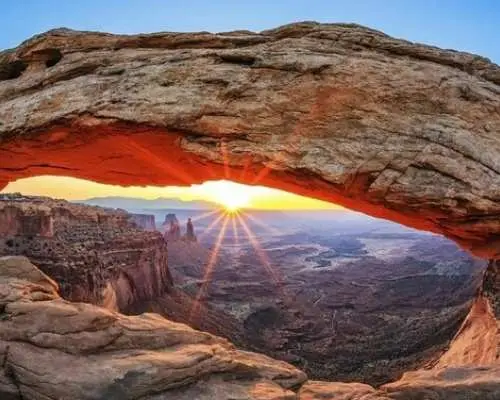

Los Angeles Airport Pickup, Zion National Park + Bryce Canyon National Park + Antelope Canyon + Grand Canyon National Park + Las Vegas 7-Day Tour [Two Nights in a Five-Star Hotel/Chinese and English Service]
Awe-inspiring cliffs and verdant valleys create a natural beauty that is far from being worldly, and Zion National Park is not to be missed.
Stay two nights at the five-star Fontainebleau Hotel on Las Vegas Boulevard! All rooms in the hotel are suites, making it very comfortable.
Sightseeing Tours
| Tour Type | Shared tour |
| Transportation method | Hotel transfer |
| Tour types | Guided tour |
| Meal arrangement | Breakfast included |
| Accommodation type | Hotel, Luxury (4–5 stars) |
| Additional service & facility | Transfer included |
| Sightseeing type | Natural sights |
| Transport | Charter car |
Product Info
Purchase Notice
Reminders
1. To ensure a smooth and complete itinerary, tourists are responsible for strictly following the meeting time given by the tour guide. If more than ten minutes are left before the meeting time, the car will leave without waiting.
2. Each person must pay a service fee of USD 15 per day to the driver or guide.
3. Each person is only allowed to bring one large piece of luggage.
Cancellation Policy
- Cancellations 34 day(s) (inclusive) before the selected date are allowed. Unused orders can be canceled for free
- For cancellations made 18 to 33 days prior to selected date, a cancellation fee of 30% will apply
- For cancellations made 11 to 17 days prior to selected date, a cancellation fee of 50% will apply
- Cancellation is not allowed between 0–10 days from the selected date. Orders cannot be canceled or modified, and refunds will not be granted.
- Due to time zone differences, the confirmed cancellation date is based on the supplier’s local time. Please allow 2–5 business days to process your cancellation request, after which the cancellation fee will be charged according to the product’s cancellation policy. Once the cancellation is confirmed, you will receive your refund within 14 working days.
FAQ
Spring (April-May) and Fall (September-October) are generally considered the best times to visit Zion National Park. During these seasons, temperatures are mild, making outdoor activities like hiking more comfortable. The crowds are also typically smaller than in the peak summer months, and the park's shuttle system operates regularly. Summer (June-August) is popular but can be very hot with larger crowds, while winter offers a quieter experience but with limited access and colder temperatures.
The closest major city to Zion National Park is Las Vegas, Nevada, which is approximately a 2.5 to 3-hour drive away. St. George, Utah, is a smaller city located even closer, about an hour's drive from the park entrance, offering more immediate services and accommodations for travelers before or after their visit to Zion.
Zion National Park is renowned for its breathtaking geology, featuring massive sandstone cliffs, narrow canyons, and the Virgin River. Its unique landscape offers unparalleled opportunities for hiking, canyoneering, and photography. Iconic trails like Angels Landing and The Narrows, along with its awe-inspiring cliffs and verdant valleys, attract visitors seeking dramatic natural beauty and thrilling outdoor adventures in a truly unique setting.
When visiting Zion National Park, essential sights and experiences include hiking parts of Angels Landing (requiring a permit) or The Narrows (seasonal and gear dependent), exploring the scenic Pa'rus Trail, and traversing the Zion Canyon Scenic Drive (primarily accessible via shuttle for most of the year). Don't miss viewpoints like the Canyon Overlook Trail for panoramic vistas, and consider a visit to the Emerald Pools Trail for beautiful waterfalls and lush greenery.
Zion National Park offers a diverse range of hiking trails suitable for various skill levels. Options include easy, paved paths like the Pa'rus Trail, moderate hikes to the Lower Emerald Pools, and strenuous, iconic trails such as Angels Landing (requiring a permit and chain assistance) and The Narrows (a water hike through a river, often requiring special gear and specific conditions). There are also trails leading to various scenic points, catering to both casual walkers and experienced backpackers.
Zion National Park is characterized by its stunning array of unique rock formations, primarily composed of Navajo Sandstone. Key formations include the towering 'Court of the Patriarchs,' featuring majestic peaks named after biblical figures; the 'Checkerboard Mesa' with its distinctive cross-hatching patterns; and 'Kolob Arch,' one of the largest freestanding arches in the world. The striking red and white striped cliffs throughout the canyon are a signature feature, shaped by millions of years of erosion.
Bryce Canyon National Park is world-famous for its unique geological structures called hoodoos. Essential sights include the Bryce Amphitheater, a vast natural bowl filled with countless hoodoos, best viewed from overlooks like Inspiration Point, Bryce Point, Sunset Point, and Sunrise Point. Hiking trails such as the Navajo Loop and Queen's Garden Trail allow visitors to descend among the hoodoos for an immersive experience, providing up-close views of these stunning formations.
Grand Canyon National Park is recognized as a UNESCO World Natural Heritage site due to its immense scale, spectacular landscape, and critical geological and biological significance. The canyon reveals a vast geological history spanning nearly two billion years, with exposed rock layers preserving a record of North America's past. It also boasts diverse ecosystems, unique plant and animal species, and unparalleled opportunities for scientific study and awe-inspiring natural beauty, making it a globally significant natural wonder.
Get Help


