


Penghu fish specimen making course|There are mackerels every year
- In-depth tour of Penghu, step-by-step instruction on the production process, the first fish specimen can also make a perfect debut!
- Professional water photography equipment to capture the most beautiful moments of fish!
- Get started easily with various identification methods to solve the mystery of the fish specimens’ origins!
Package Options


Product Info
The content of this product is provided by machine translation and may not reflect the actual information, please take this into consideration before booking.
[First time making fish specimens & sustainable utilization & trash fish]
Have you ever looked closely at a fish? The structure of each fish is different. If you observe carefully, you will discover a world that you have never noticed. The body of the fish is preserved in the form of a specimen, which is suitable for use as a teaching aid for learning or as an ornament at home.
- The fish specimen class is now in session! (40 minutes)
Before making specimens, let us first understand the purpose and method. In addition, we will also introduce where these fish teachers come from, so that we can have a preliminary understanding of the fish teachers. Then learn how to help Mr. Fish unfold and fix his fins to keep him in perfect condition!
- Let’s start making specimens! (40 minutes)
Before making, first get to know the characteristics and parts of each fish teacher, so that you can more completely express their most perfect appearance! And choose your own fish teacher, and finally help the fish teacher unfold and fix each fin with your own hands, so that the fish teachers can maintain their original appearance!
- Leave behind the most beautiful figure of Teacher Yu and the mystery of Teacher Yu’s life experience! (40 minutes)
After making the specimens, you need to take photos and record them. We will set up professional equipment so that you can take illustrated-level photos and present the photos immediately. Finally, you can use the illustrated books to compare and find out the species of fish and understand their characteristics and Information such as habitat environment allows us to have a deeper understanding of fish teachers.

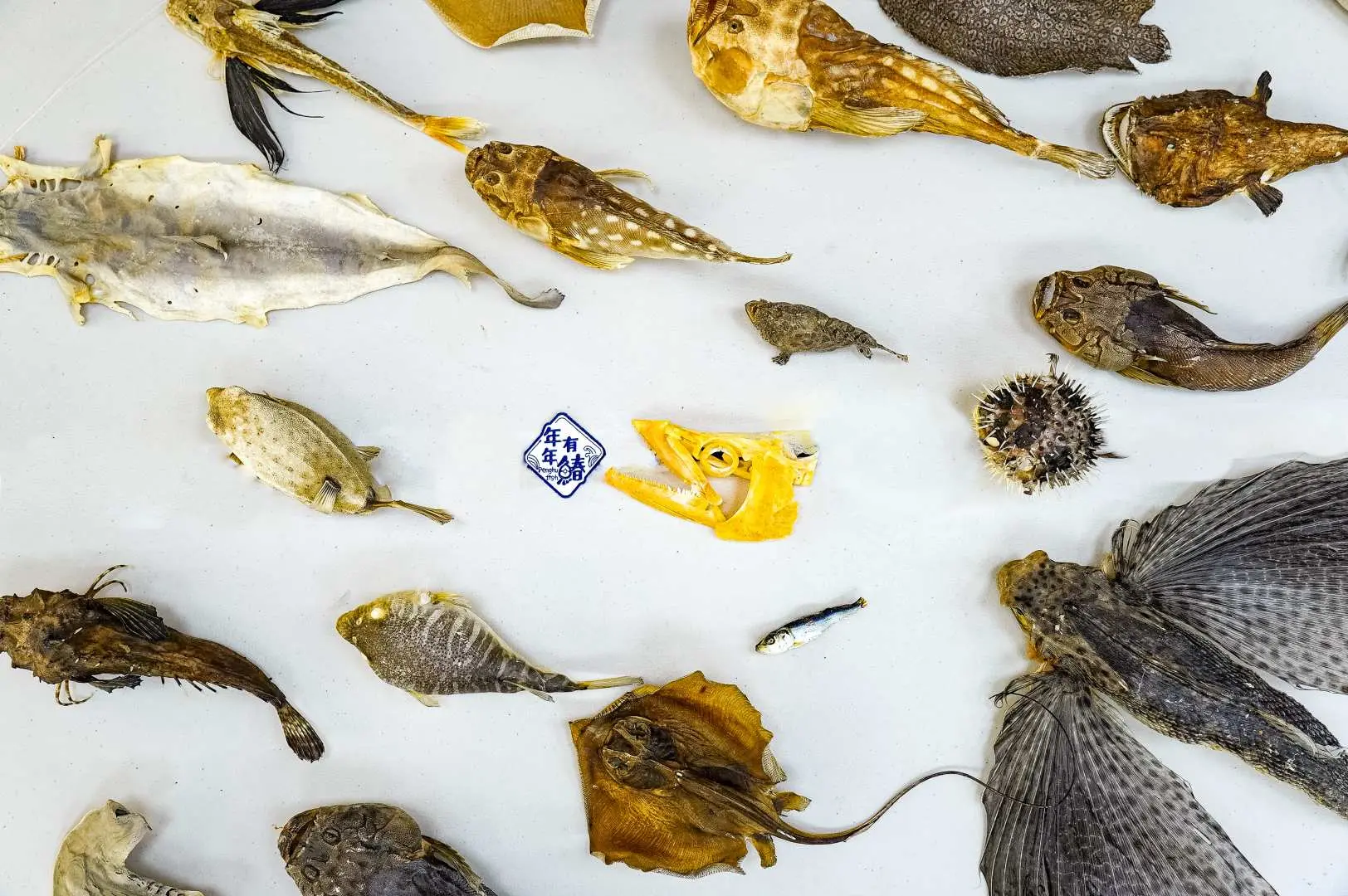
There is a class of fish specimens: there are hundreds of species of specimens, all of which have different uses. Let the tour guide introduce them one by one!
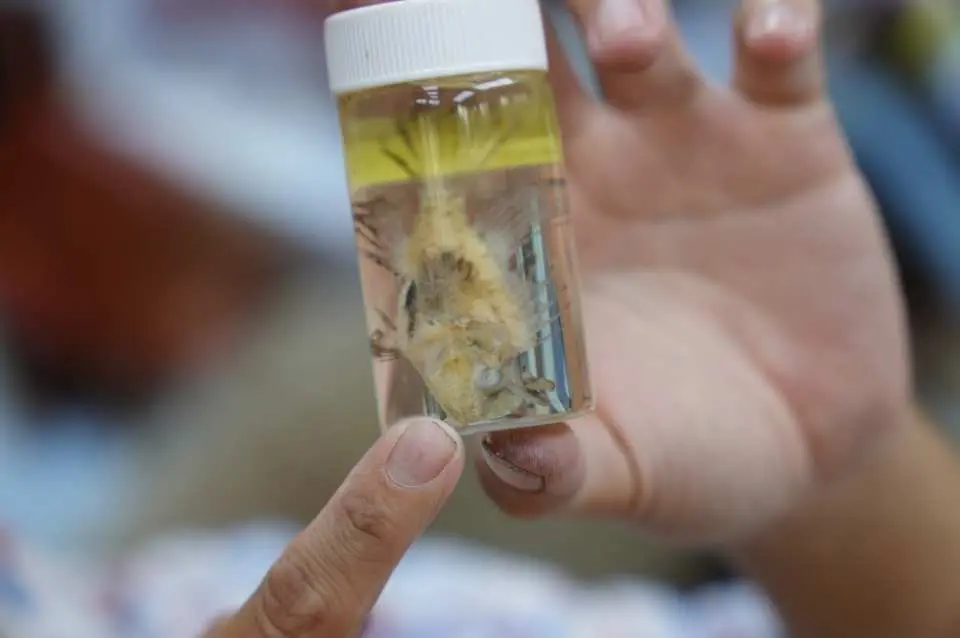

Classes are held in the fish specimen classroom: There are various specimens in the fish specimen classroom every year. Don’t miss the opportunity to observe marine life up close!


Classes are held in a classroom with fish specimens: where do the teachers come from who have fish specimens every year? What is the use of making specimens? Everything will be answered for you!


Let’s start making specimens: observe different kinds of fish and choose the one you like the most to make a specimen.

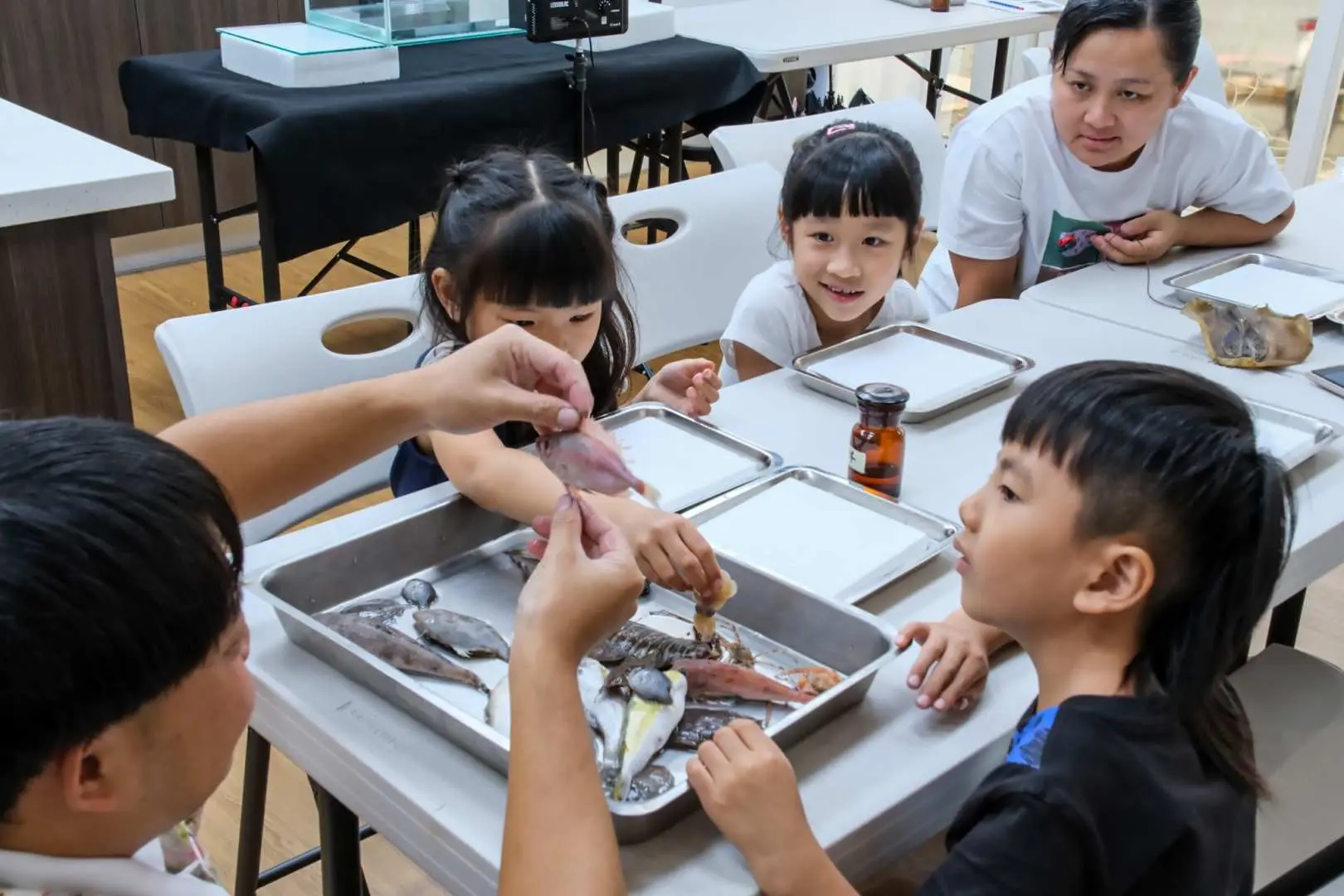
Let’s start making specimens: carefully observe the appearance of Mr. Fish and learn the basic structure of fish


Let’s start making specimens: unfold the fins and let the fish teacher show its most beautiful appearance


Leave behind the most beautiful figure of Mr. Fish and the mystery of Mr. Fish’s life experience: Professional water photography equipment allows you to take illustrated-level photos
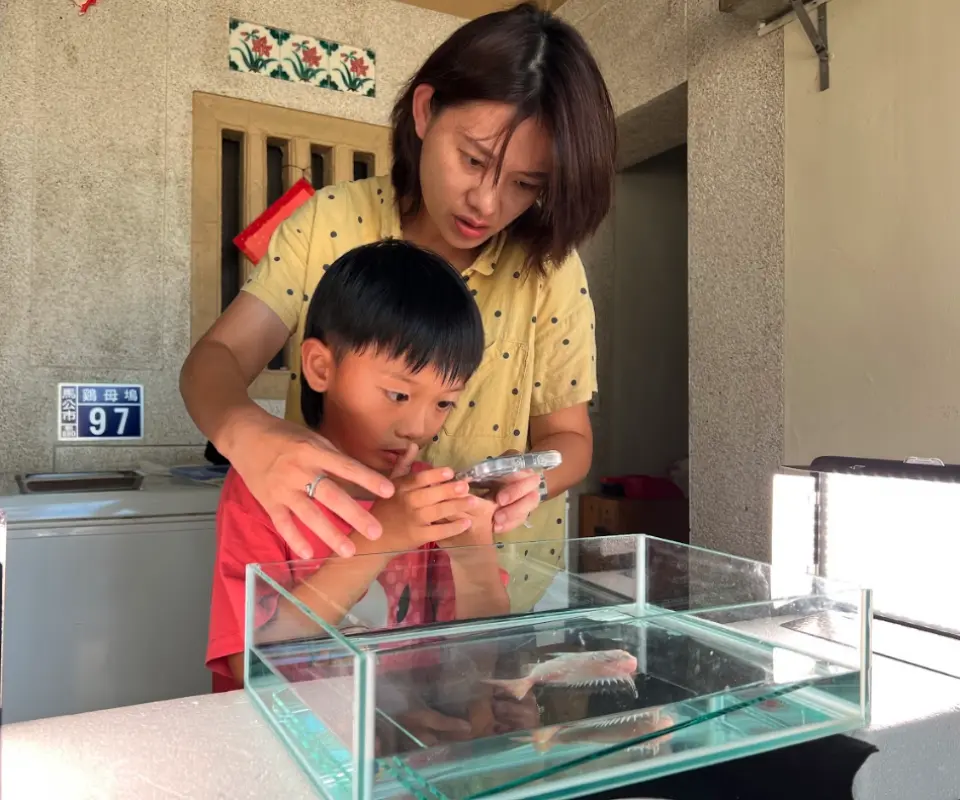
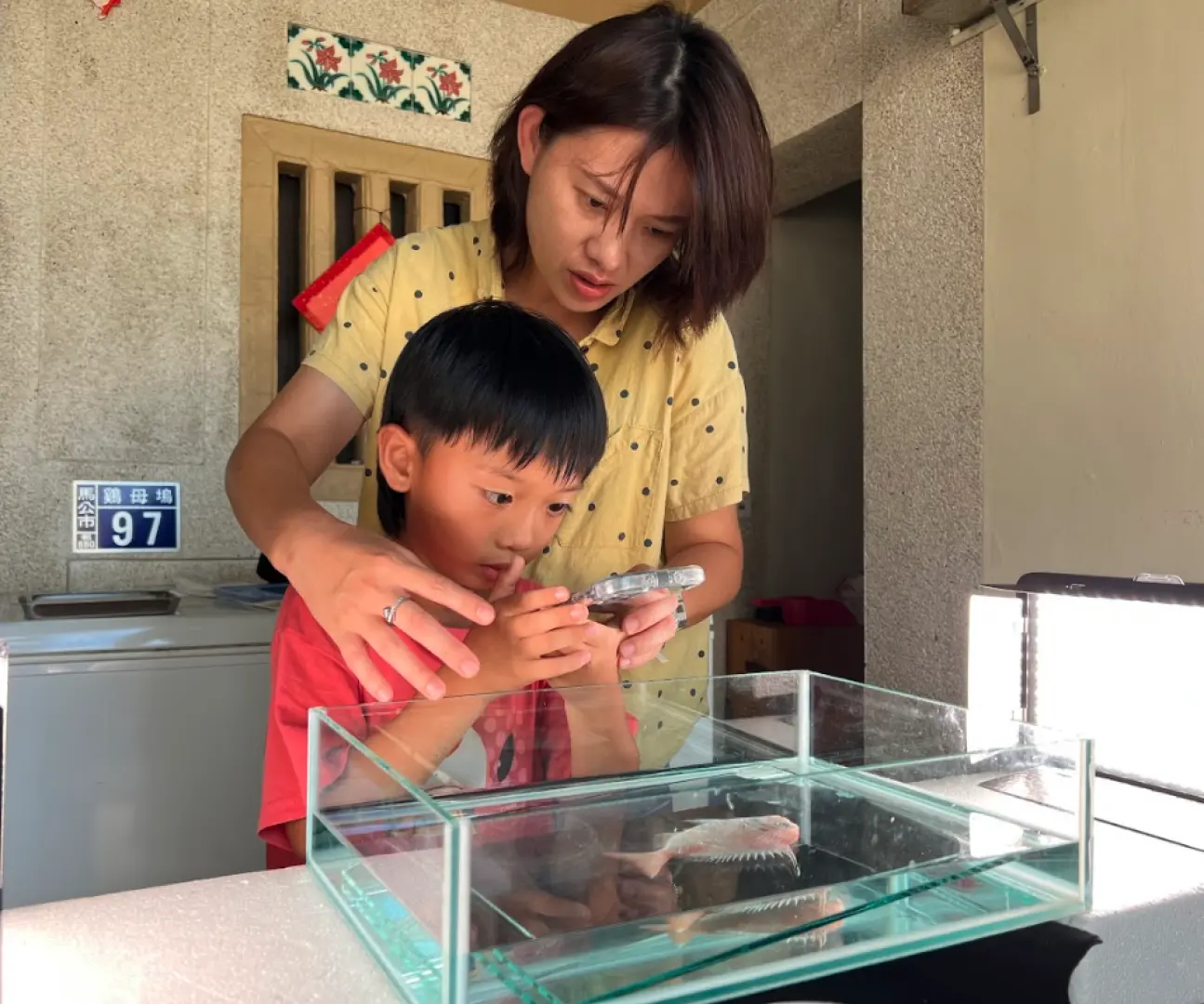
Leave behind the most beautiful figure of Mr. Fish and the mystery of Mr. Fish’s life experience: print out the photos in the illustrated book so that the colors on Mr. Fish’s body will not fade away


Leaving behind the most beautiful figure of Mr. Fish and the mystery of Mr. Fish’s life experience: compare with the illustrated book to uncover the true identity of Mr. Fish


Important Info
Reminders
This activity does not include transportation, please go to the designated location to gather by yourself.
The preparation time of the specimen is about 40 days. After the preparation is completed, it will be mailed to you (postage is included in the activity fee).
Please read the ordering and refund instructions carefully before ordering.
Cancellation Policy
- Cancellations 8 day(s) (inclusive) before the selected date are allowed. Unused orders can be canceled for free
- For cancellations made 4 to 7 days prior to selected date, a cancellation fee of 50% will apply
- Cancellation is not allowed between 0–3 days from the selected date. Orders cannot be canceled or modified, and refunds will not be granted.
- Due to time zone differences, the confirmed cancellation date is based on the supplier’s local time. Please allow 2–5 business days to process your cancellation request, after which the cancellation fee will be charged according to the product’s cancellation policy. Once the cancellation is confirmed, you will receive your refund within 14 working days.
FAQ
Fish are highly suitable for specimen preparation, serving not only as a method for preserving biological morphology but also as crucial tools for scientific research and science popularization education. The fish specimen making courses in Penghu are designed specifically for beginners, offering hands-on instruction. They guide participants through every stage of specimen creation, from selecting, fixing, and processing fish to their final preservation, ensuring that even first-time attendees can successfully create their own fish specimens.
The transparent fish specimen making course in Penghu will guide students step-by-step through several key processes. First, the fish body undergoes fixation and decolorization to remove pigments. This is followed by bone staining, where the skeleton is colored for easier observation. Next, cartilage staining is performed to make the cartilage visible. Finally, a series of soft tissue digestion and clearing treatments are applied, rendering the fish body transparent and clearly revealing its skeletal structure.
A variety of materials and reagents are required for making fish specimens. Core materials include fresh fish, preservative solutions (such as formalin or alcohol), softening agents (like potassium hydroxide solution), stains (such as Alizarin Red S for bones and Alcian Blue for cartilage), and clearing agents (like glycerin). Professional guidance will be provided on the use of these reagents during the course to ensure safe and correct application.
The basic stages of the Penghu fish specimen making course include: first, the selection and preliminary processing of the fish to ensure it is fresh and intact. This is followed by fixation and decolorization steps to stabilize the fish's structure and remove pigments. Then, the skeleton and cartilage are stained to make the skeletal structure clearly visible. Finally, the soft tissues are digested and cleared to make the fish body transparent, followed by the final preservation and display of the specimen.
The principle behind creating transparent fish specimens primarily utilizes chemical reactions and optical refraction. Specific reagents (such as potassium hydroxide) digest soft tissues like muscles and skin, while clearing agents like glycerin replace the water within the tissues. Since glycerin's refractive index is similar to that of fish tissues, light passes through without significant scattering, resulting in a transparent appearance where only the stained skeleton remains for observation.
The purpose of making fish specimens goes far beyond merely preserving the external appearance of a fish. It emphasizes retaining the completeness of the organism's anatomy and morphology for scientific research, teaching, and display. Unlike simple preservation through embalming, specimen preparation involves professional techniques to stabilize internal structures, sometimes involving clearing or staining bones to reveal deeper biological information. This achieves a long-lasting, educational form of preservation.
The fish specimen making course in Penghu is highly suitable for absolute beginners with no prior experience. The course is designed with 'hands-on instruction' at its core, covering everything from basic fish knowledge, tool usage, and reagent safety to every detail of the creation process, with patient guidance from professional instructors. Participants do not need a background in biology or chemistry; by simply following the instructions, they can easily complete their first unique fish specimen.
When preserving finished fish specimens, it is crucial to avoid direct sunlight and high temperatures, which can cause discoloration or deterioration. Specimens should be stored in a dry, cool, and stable environment to prevent mold growth due to moisture. The preservative solution within the specimen jar should be checked regularly, and any cloudiness or reduction should be replenished or replaced promptly to ensure the specimen remains in good condition long-term.
Get Help


