


Montmartre Walking Tour | Paris
Explore Montmartre on this walking tour for first-time visitors, starting at the Moulin Rouge and visiting highlights like Café Deux Moulins, Théo Van Gogh's home, Le Moulin de la Galette, Bateau Lavoir, the Montmartre Museum, La Maison Rose, and ending at the stunning Sacré-Cœur Basilica.
- Iconic Moulin Rouge: Discover the history of the legendary cabaret that embodies Parisian nightlife
- Charming Cafés: Visit the famous Café Deux Moulins, a quintessential Montmartre experience
- Artistic Heritage: Explore Théo Van Gogh’s apartment and the historic Bateau Lavoir, where Picasso once lived
- Picturesque Windmills: Admire the historic Le Moulin de la Galette, a symbol of Montmartre's bohemian past
- Scenic Montmartre Vineyard: Stroll through the vineyard that adds a touch of rustic charm to the neighborhood
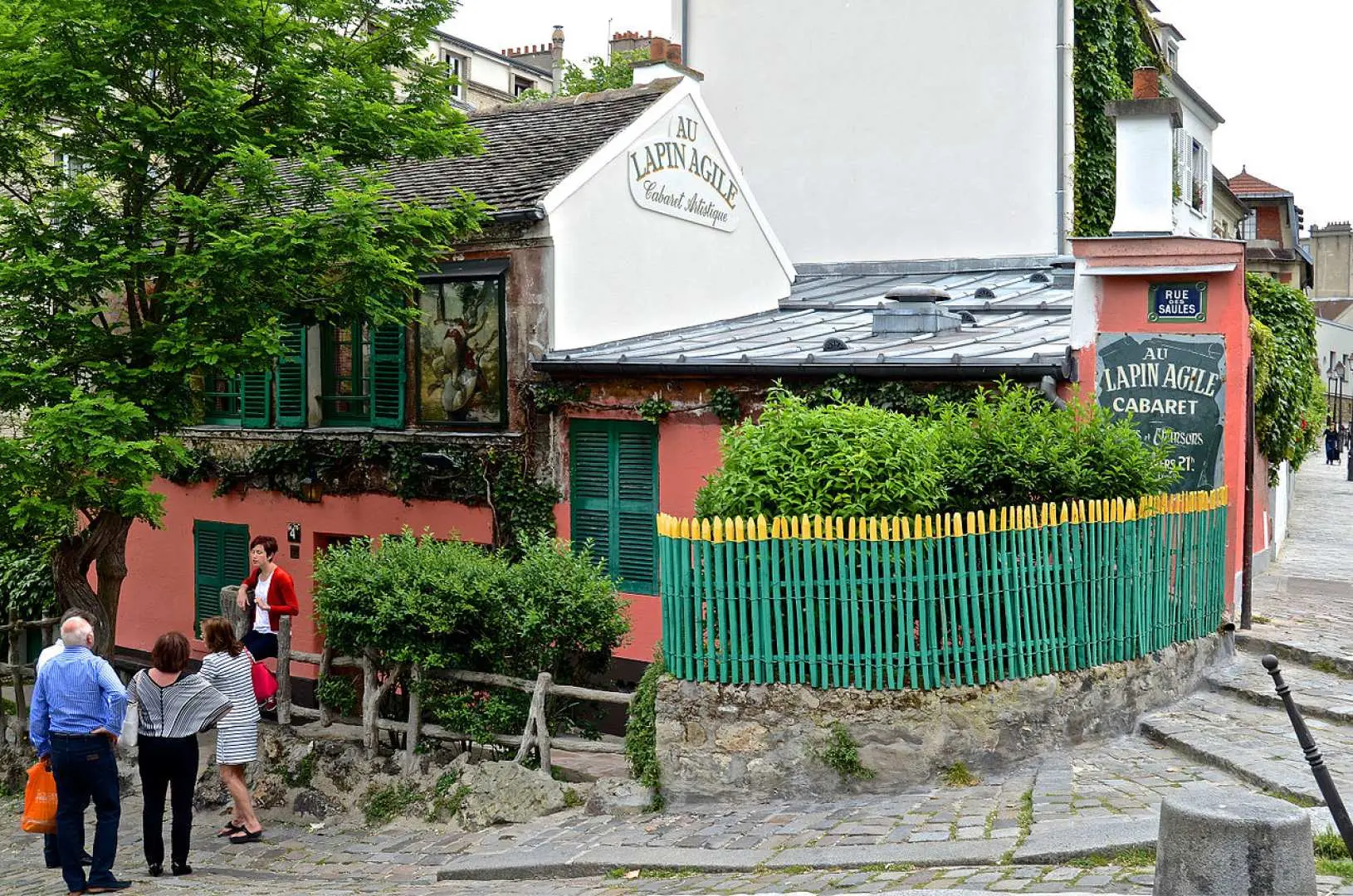
- Historic Landmarks: Pass by La Maison Rose and the iconic Au Lapin Agile, steeped in artistic history
- Stunning Sacré-Cœur: Conclude your tour with breathtaking views from the Sacré-Cœur Basilica, a must-see in Montmartre
Sightseeing Tours
| Tour Type | Private tour, Shared tour |
| Tour types | Guided tour |
| Sightseeing type | City walking tour, Historic site tour |
| Transport | Walking |
Product Info
-What You Can Expect -
Explore Montmartre's Bohemian Spirit: A Captivating Walking Tour!
Embark on a journey through the heart of Montmartre, where history, art, and culture blend seamlessly. Begin at the iconic Moulin Rouge, then visit the charming Café Deux Moulins made famous by film. Explore the former apartment of Théo Van Gogh and marvel at the historic Le Moulin de la Galette windmill. Continue to Bateau Lavoir, where great artists like Picasso once lived, and take in the exterior of the Montmartre Museum. Stroll by the picturesque La Maison Rose restaurant and the quaint Montmartre Vineyard. Pass by the legendary Au Lapin Agile restaurant, before culminating your tour at the magnificent Sacré-Cœur Basilica, with its breathtaking views over Paris. This tour offers a deep dive into Montmartre's unique charm and rich artistic heritage.
Montmartre is a vibrant Parisian neighborhood where artistic heritage and bohemian charm come to life, offering stunning views and a rich cultural experience.


Moulin Rouge is an iconic symbol of Parisian nightlife, famous for its dazzling cabaret shows and rich history in the heart of Montmartre.


Café Deux Moulins is a charming Parisian café in Montmartre, made famous by the film "Amélie," offering a nostalgic and cozy atmosphere.


Bateau Lavoir is a historic Montmartre building known as the birthplace of Cubism, where artists like Picasso and Modigliani lived and created groundbreaking art.


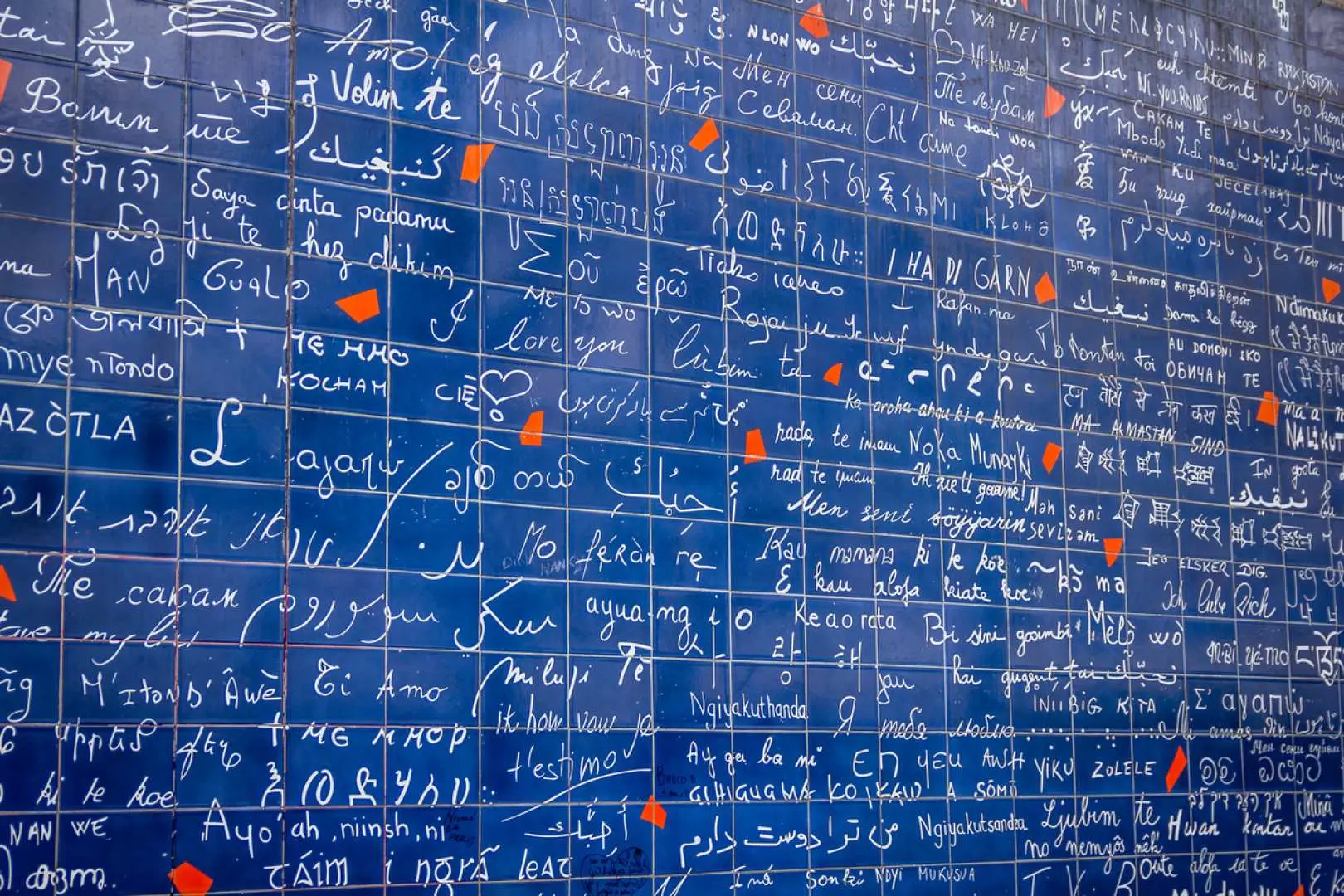
The Wall of Love in Montmartre is a romantic monument where the phrase "I love you" is written in over 250 languages, celebrating love in the heart of Paris.

La Maison Rose is a picturesque restaurant in Montmartre, famous for its charming pink façade and as a beloved spot for artists and visitors alike.


Montmartre Vineyard is a hidden gem in Paris, offering a glimpse of the city's winemaking tradition amidst the historic and artistic charm of Montmartre.


Au Lapin Agile is a historic cabaret in Montmartre, renowned for its rich artistic history and as a gathering place for poets, painters, and musicians.

The Sacré-Cœur Basilica in Montmartre is a stunning white-domed church offering breathtaking views of Paris, symbolizing faith and beauty atop the city’s highest hill.


Important Info
Reminders
A minimum of 4 traveler(s) are required for the tour to depart. If the number of participants does not reach the minimum requirement, the tour will be canceled. An email regarding tour cancellation will be sent 3 day(s) before the departure date
Please arrive at the designated location 15 minute(s) before the scheduled departure time, as the tour will depart on time
Cancellation Policy
- Cancellations 4 day(s) (inclusive) before the selected date are allowed. Unused orders can be canceled for free
- Cancellation is not allowed between 0–3 days from the selected date. Orders cannot be canceled or modified, and refunds will not be granted.
- Due to time zone differences, the confirmed cancellation date is based on the supplier’s local time. Please allow 2–5 business days to process your cancellation request, after which the cancellation fee will be charged according to the product’s cancellation policy. Once the cancellation is confirmed, you will receive your refund within 14 working days.
FAQ
Montmartre was once an independent village on the outskirts of Paris, famous for its rich gypsum mines. From the late 19th to the early 20th century, it became a gathering place for artists and writers, such as Picasso and the Van Gogh brothers, who infused Montmartre with a free-spirited, bohemian vibe. Concurrently, the rise of cabaret venues like the Moulin Rouge also established it as a significant symbol of Parisian nightlife and cultural arts.
The Moulin Rouge is a legendary symbol of Parisian nightlife, renowned for its spectacular cabaret shows. The Sacré-Cœur Basilica, perched atop the highest point of Montmartre, is a masterpiece of Romano-Byzantine architecture, offering a solemn interior and breathtaking panoramic views of Paris from its exterior. La Maison Rose gained fame from the movie 'Amélie' and still retains its unique Parisian charm, serving as a classic spot to experience the everyday life of Montmartre.
A complete walking tour of Montmartre, including the Moulin Rouge, Place du Tertre, Le Moulin de la Galette, La Maison Rose, the Montmartre Museum, and finally arriving at the Sacré-Cœur Basilica, is usually recommended to take about 2 to 3 hours. This allows for a leisurely stroll through the cobblestone streets, a deeper understanding of the history and stories behind each landmark, and ample time for sightseeing and photos.
Le Bateau-Lavoir was a famous artist studio in Montmartre's history, where Picasso created 'Les Demoiselles d'Avignon,' witnessing the flourishing of Parisian art in the early 20th century. The Van Gogh House was the residence of Vincent Van Gogh's brother and a place Vincent frequently visited during his time in Paris. It is filled with the artistic origins and life traces of the Van Gogh brothers, making it an important focal point for exploring Montmartre's art history.
The Montmartre Vineyard is one of the few still-operating vineyards within the city of Paris. The annual grape harvest festival in autumn is a major local event, adding a touch of rural charm to the area. Le Moulin de la Galette is a historical landmark consisting of two windmills, symbolizing the pastoral landscape of Montmartre's past. Although it now primarily functions as a restaurant, it remains a testament to Montmartre's bohemian history.
For your first walking exploration of Montmartre, it's advisable to wear comfortable shoes as there are many slopes. You can start from the Moulin Rouge, winding your way up through the charming streets, passing by Place du Tertre and Le Moulin de la Galette, finally reaching the Sacré-Cœur Basilica at the summit. It's recommended to bring water and allow ample time to pause and soak in the unique artistic atmosphere and historical depth of the area.
The Montmartre Museum was a place where many artists lived and worked, exhibiting a rich collection of Montmartre's history and artworks, recreating its glorious past as an art sanctuary. La Maison Rose is Montmartre's iconic pink café, once a gathering spot for artists like Picasso, Van Gogh, and Modigliani. Its distinctive appearance and historical background perfectly embody Montmartre's free-spirited, bohemian artistic atmosphere.
The plaza in front of the Sacré-Cœur Basilica is an excellent spot for panoramic views of Paris. From here, you can see landmarks like the Eiffel Tower, Les Invalides, and the Palais Garnier. The surrounding stairs and terraces also offer expansive vistas, making it a haven for photography enthusiasts. The view is particularly magical at sunset, as the fading sunlight casts a glow over the Parisian rooftops.
Get Help


