



Hanoi Check-out Tour | Multiple Guided Languages Hanoi Inner City Day Tour: Visit Old/Vintage Hanoi House + Hanoi Train street with direct airport transfer for departure at Noi Bai International airport (HAN) option + Lunch, Dinner Included & Optional Full Body Massage
- The most enjoyable tour for your last day in Hanoi, perfect 8 - 10 hours itinerary before going back to your home
- Highly recommended for travelers with night flights starting from Hanoi to Seoul, Busan, Osaka, Tokyo, ....
- Pick-up at your hotel, enjoy our tour, and drop off at Noi Bai International Airport to catch your departure flight
Package Options


Product Info
- Course information -
Departure time: 12:30 - 13:00
Meeting point: When you confirm your reservation, kindly note down your hotel address
Running time: 5 or 8 hours
Dissolution location: Noi Bai International Airport (HAN) or at your hotel
Visit Hanoi Old House & Hanoi Train Track
__________
Lunch option:
You can choose either to have one of these popular dishes for lunch
1. Phở Lý Quốc Sư (Noodle soup - Ly Quoc Su street)
2. Bún Chả - 01 Hàng Mành (Grilled Pork with rice noodle - Hang Manh street)
3. Bánh Cuốn - 12 Hàng Gà (Rolled steam cake - Hang Ga street)
__________
Optional option: Spa & Dinner:
1. Spa: Labase beauty spa - Giang Văn Minh
2. Dinner: Asian Fusion Set Menu at Koto Restaurant
- Starter -
Grilled Fish Crystal Rolls
US Beef Kumquat Salad
- Main Course -
Wok-fried Basil Chicken Thighs
BBQ Pork Spare Ribs
Stir-Fried Seasonal Vegetables
Fragrant Steamed Rice
Soy Sauce Eggplant and Tofu
- Dessert -
Seasonal Fruit Platter
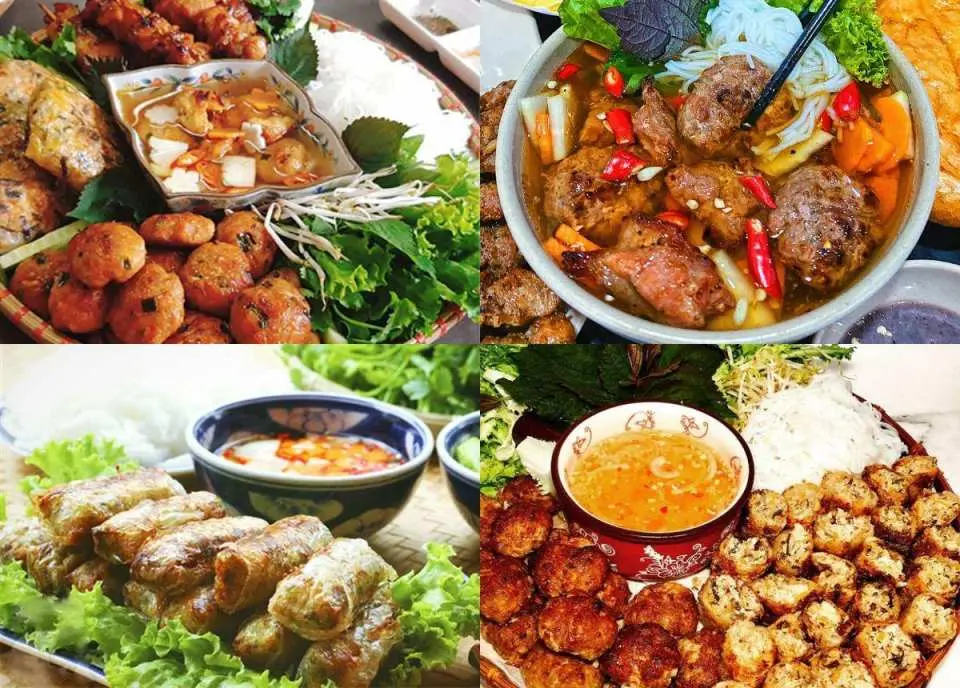
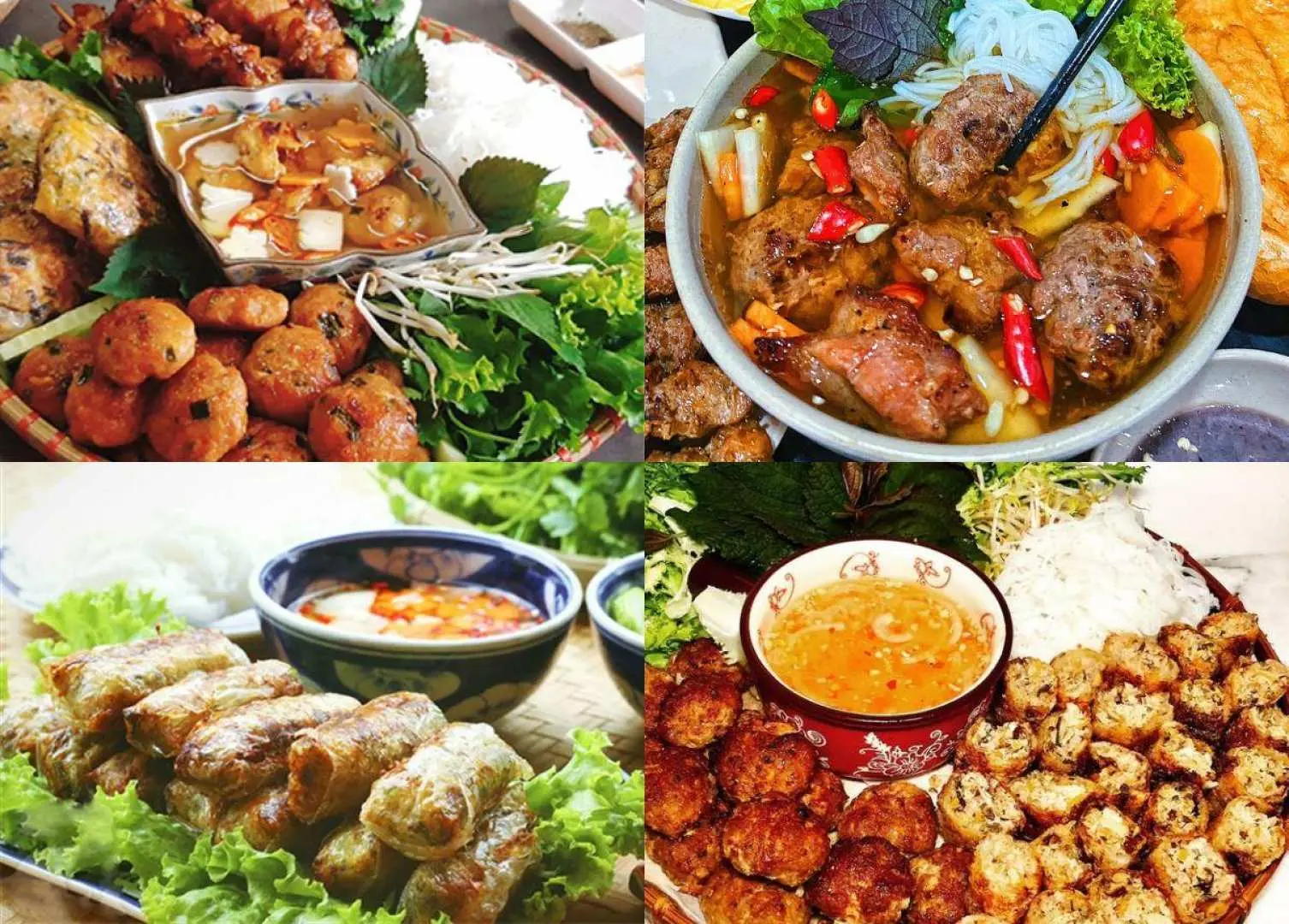
13:00 Driver and tour guide pick you up at the hotel to have lunch with delicious Hanoi dishes you can choose from such as: Bun cha/ pho/ banh cuon or banh mi/ steamed sticky rice... These are long-standing traditional specialties of Hanoi people. Not only do local people love them, but international tourists and heads of state when visiting Vietnam also hope to have the opportunity to enjoy these dishes. eat this. The dishes are not luxurious, not expensive but very delicious and contain a whole breadth of Vietnamese culinary culture.
Continue visiting the old town with ancient houses, hotels, restaurants, souvenir shops and traditional market alleys. This is the busiest place of the city, you will have the opportunity to learn about daily life of Hanoi people. The next stop is the Ancient House at 87 Ma May Street. The house was built in the 19th century, representing the ancient architecture of Hanoi with an area of 157.6 m2 along with many ancient artifacts still preserved in the house, making the house even more special.


Keep walking along to the heart of the city- Hoan Kiem lake. This destination as a central park and attracted people come here to do excercise, do aerobic, do taichi... The lake also related to the Legend of King Le Loi returning the sword. Few minutes walking from the lake is Ha Noi church, an old church was built over 100 year ago and become an ancient part of the city.


Get on the car to visit the popular train track coffee spot, enjoy coffee while admiring the train track with its rows of ancient houses and the crowds of people coming in and out to visit. If you are lucky, you can see a train passing by and this will definitely be a great experience, a reasonable time for you to capture the typical cultural image of Hanoi.


16:00 Depart for the massage place, you will begin to experience 75 minutes of full body massage at Labase beauty spa. Surely you will have good spirit and energy for your long night flight. For customer who doesn't book the spa package, you will go directly to the restaurant for dinner.


Dinner will be served in a nice restaurant Koto . It is famouse for it slogan " Know One Teach One". After the dinner driver will pick you up and transfer to the airport. and say good bye to Viet Nam.


FAQ
Hanoi Train Street previously offered a rare glimpse into local life, with cafes and shops operating just inches from active railway tracks. Visitors could witness trains passing by at close range, creating a thrilling and photogenic experience. This unique blend of daily living and active railway interaction made it a distinctive cultural attraction in Hanoi.
Hanoi Train Street's accessibility is currently restricted due to safety concerns. While parts of the street may still be informally accessed by locals, official tourist access to the track area is generally prohibited. Visitors should be aware that regulations can change, and it's advisable to check local guidelines to ensure safety and compliance.
The primary reasons for the closures of Hanoi Train Street were safety concerns and regulatory compliance. The high volume of tourists posing on or near the active railway tracks led to a significant risk of accidents. Authorities implemented closures to ensure public safety and to enforce regulations prohibiting commercial activities too close to the tracks.
Hanoi Train Street is a narrow residential street where an active railway track runs directly through the middle, with homes and businesses built just meters away on either side. Its unique characteristic is the vibrant daily life unfolding alongside the train line, offering an intimate perspective on local culture and an unusual urban landscape.
For visiting attractions like the Hanoi Old House, you have several convenient transportation options. Taxis and ride-hailing services such as Grab are readily available. You can also explore the Old Quarter on foot to immerse yourself in its charm. Additionally, cyclos (pedicabs) offer a traditional and leisurely way to experience the area.
Yes, ride-hailing services like Grab are widely available and very popular for getting around Hanoi. You can easily book cars or motorbikes through the app, offering a convenient and often affordable way to travel to various attractions or for direct transfers. Uber is not active in Vietnam, but Grab is the dominant service.
Hanoi's main attractions are moderately accessible by public transportation, primarily buses. While a comprehensive metro system is developing, buses cover many areas, including popular sites within the city. For direct access to specific Old Quarter alleys or for convenience, taxis or ride-hailing services might be more efficient for some attractions.
Visiting the Hanoi Old House offers a journey back in time, showcasing traditional Vietnamese architecture and the lifestyle of Hanoi's inhabitants from centuries past. You can explore historically preserved rooms, admire traditional artifacts, and gain insight into the cultural heritage and domestic life of Hanoi residents in a bygone era, providing a unique historical perspective.
Get Help


