

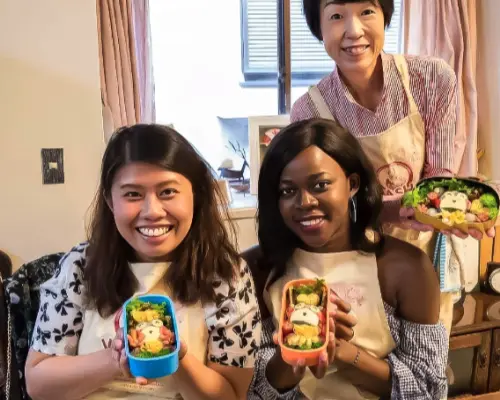
Make a Character - Themed Bento with This Cooking Class
- Learn the history and culture of Japanese food hands-on.
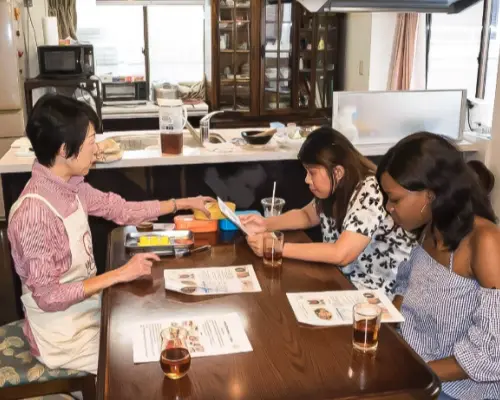
- 2-and-a-half-hour comprehensive cooking class.
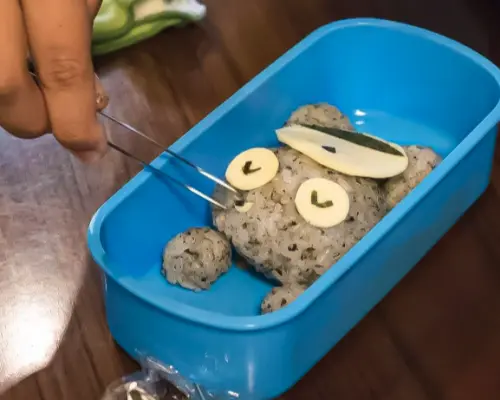
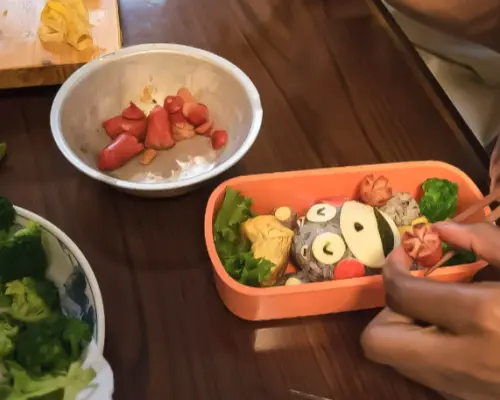
- Create boxed lunches in the image of famous characters.
- Learn to turn seasonal foods into delicious traditional meals.
Package Options
Cultural Experiences
| Location | Indoor |
| Cuisine type | Japanese cuisine |
| Cultural experience type | Traditional culture experience |
Product Info
Purchase Notice
- Upon booking, you will receive a confirmation within 24 hours. Once confirmed, present your booking information at the experience.
Includes/Excludes
- A 2.5-hour Kyaraben: Character Bento Box Making Class.
- Ingredients for creating your own kyaraben bento box.
- Cooking tools and utensils provided.
- Recipes you can take home with you.
- Complimentary Japanese tea.
- Personal expenses
- Other expenses not mentioned above
How to Redeem Your Voucher
How to Use Your Voucher
- Please present the e-voucher on-site
Voucher Redemption Period
- The voucher must be redeemed on the selected date and within operating hours; Invalid after expiration
Experience Location
Location Name: Rental Kitchen Selvä -Ohsaki Base(レンタルキッチン セルヴァ)
Address: 〒141-0032 Tokyo, Shinagawa City, Ōsaki, 1-chōmeCancellation Policy
- Cancellations 4 day(s) (inclusive) before the selected date are allowed. Unused orders can be canceled for free
- Cancellation is not allowed between 0–3 days from the selected date. Orders cannot be canceled or modified, and refunds will not be granted.
- Due to time zone differences, the confirmed cancellation date is based on the supplier’s local time. Please allow 2–5 business days to process your cancellation request, after which the cancellation fee will be charged according to the product’s cancellation policy. Once your refund request is confirmed, KKday will initiate the refund to your original payment method within 15 days. The actual refund timing depends on your card-issuing bank’s policy.
FAQ
1. When making 'character-themed bento boxes', is it necessary to complete them on the same day to ensure optimal quality and freshness?
Character-themed bento boxes are typically recommended to be completed on the day of consumption, especially when involving raw or perishable ingredients. This maximizes freshness, texture, and food safety. If some ingredients need to be prepared in advance, they must be properly refrigerated and thoroughly heated before assembly to ensure all components are fresh and hygienic. The course also emphasizes key techniques for ingredient handling and preservation.
2. After a 'character-themed bento box' is made, what are the recommended storage period and methods?
Once a character-themed bento box is completed, it is advised to consume it within 2 hours at room temperature. For extended storage, it should be refrigerated as soon as possible. Refrigerated storage is generally recommended for no more than 24 hours, and it must be thoroughly heated to a central temperature of at least 75°C (167°F) before eating, especially for meats and rice. Avoid repeated heating and ensure the bento box is clean and dry to maintain food hygiene.
3. How can I select healthy and nutritionally balanced ingredients for a 'character-themed bento box'?
When selecting healthy ingredients for a character-themed bento box, prioritize a variety of whole grains, high-quality protein (like chicken breast, soy products), abundant vegetables (leafy greens, bell peppers), and a moderate amount of fruit. Cooking methods should focus on steaming, boiling, and baking, reducing frying. Avoid excessive processed foods and high-sugar, high-salt seasonings. Vibrant natural ingredients not only enhance the bento's visual appeal but also ensure a diverse intake of nutrients.
4. How long does a 'character-themed bento box' making class in Tokyo typically take?
A character-themed bento box making class in Tokyo usually offers a comprehensive experience lasting approximately 2.5 hours. This timeframe is sufficient for participants to learn everything from ingredient introduction, character design, practical cooking, to the final assembly of a cute and delicious character bento. The course is designed to provide rich learning content, making it easy for even beginners to get started and enjoy the fun of hands-on creation.
5. What strategies can be employed to ensure nutritional balance when making 'character-themed bento boxes'?
Strategies to ensure nutritional balance in character-themed bento boxes include: choosing whole grains for the main staple; including at least three different colored vegetables for a variety of vitamins and fiber; adding a serving of high-quality protein (such as hard-boiled eggs, baked chicken, or tofu), and a moderate portion of fruit. Reduce oil and salt during cooking, and avoid high-fat toppings. Arranging different food types in separate sections is both aesthetically pleasing and helps control portions, contributing to a balanced meal.
6. What food safety and hygiene guidelines should be observed when making 'character-themed bento boxes'?
Food safety and hygiene are paramount when making character-themed bento boxes. Ensure hands, cutting boards, knives, and other utensils are kept clean to prevent cross-contamination between raw and cooked foods. Ingredients must be thoroughly washed and cooked, especially meats. Before assembling the bento, all ingredients should be fully cooled to prevent spoilage. Use bento boxes with good sealing properties and store them at low temperatures whenever possible to minimize bacterial growth risks.
7. What types of bento character designs will students learn to make in a 'character-themed bento box' class in Tokyo?
Character-themed bento box making classes in Tokyo typically guide students in creating classic and popular anime or animal-themed designs. These designs range from cartoon characters and cute animals to festive themes, making the bento boxes full of fun and creativity. The class will provide various tools and techniques, teaching how to use the colors and shapes of natural ingredients to cleverly transform ordinary food into lively characters.
8. When attending a 'character-themed bento box' cooking class, can Japanese seasonal ingredients be incorporated?
When attending a character-themed bento box cooking class, there is usually an emphasis on using fresh seasonal ingredients, and Japanese seasonal produce is incorporated into the bento making. The instructor will introduce how to select and utilize these seasonal ingredients, such as bamboo shoots in spring, eggplants in summer, shiitake mushrooms in autumn, or root vegetables in winter. Skillful pairing not only ensures the bento's flavor and nutrition but also allows participants to experience the essence of Japan's 'eat what's in season' culinary philosophy.


